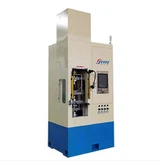
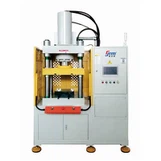
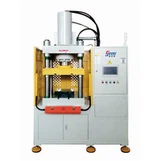
As a supplier of Jet Hydraulic Presses, I've witnessed firsthand the numerous benefits that these machines offer over other types of presses. In this blog post, I'll delve into the key advantages of Jet Hydraulic Presses and explain why they are a superior choice for various industrial applications.
Precision and Control
One of the most significant advantages of Jet Hydraulic Presses is their exceptional precision and control. Unlike mechanical presses, which rely on a fixed stroke length and force, hydraulic presses can be easily adjusted to apply the exact amount of force required for a specific task. This level of control allows for more accurate and consistent results, making Jet Hydraulic Presses ideal for applications that demand high precision, such as metal forming, stamping, and molding.
For example, in the automotive industry, Jet Hydraulic Presses are used to manufacture complex parts with tight tolerances. The ability to precisely control the force and stroke length ensures that each part is produced to the exact specifications, resulting in higher quality and fewer defects. Additionally, hydraulic presses can be equipped with advanced control systems that allow for real-time monitoring and adjustment of the pressing process, further enhancing precision and quality.
Versatility
Another major advantage of Jet Hydraulic Presses is their versatility. These presses can be used for a wide range of applications, including blanking, piercing, bending, drawing, and forging. They can also be customized to meet the specific needs of different industries and applications, making them a highly adaptable solution for manufacturers.
For instance, in the aerospace industry, Jet Hydraulic Presses are used to form and shape lightweight materials, such as aluminum and titanium, into complex components. The ability to apply high forces slowly and evenly makes hydraulic presses ideal for working with these materials, as it minimizes the risk of cracking or deformation. In addition, hydraulic presses can be used with a variety of tooling and dies, allowing for greater flexibility in the manufacturing process.
Safety
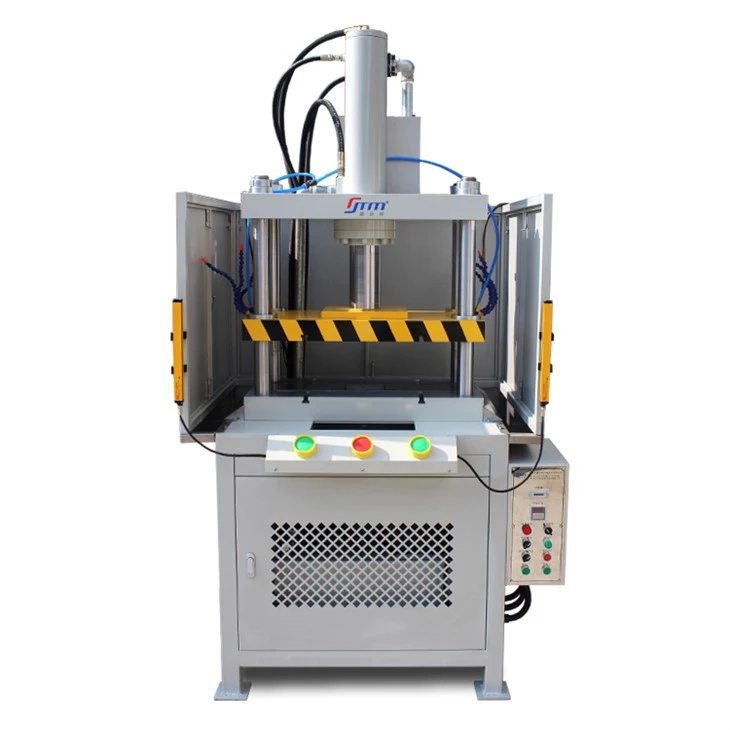
Safety is a top priority in any industrial setting, and Jet Hydraulic Presses are designed with numerous safety features to protect operators and prevent accidents. These features include emergency stop buttons, safety curtains, and interlocks that prevent the press from operating if the safety guards are not in place.
In addition, hydraulic presses are generally quieter and produce less vibration than mechanical presses, which reduces the risk of operator fatigue and hearing damage. The smooth and controlled operation of hydraulic presses also minimizes the risk of sudden movements or jerks, which can cause injuries.
Energy Efficiency
Energy efficiency is becoming increasingly important in today's manufacturing environment, and Jet Hydraulic Presses are designed to be highly energy-efficient. These presses use a hydraulic system to generate force, which is more efficient than the mechanical systems used in other types of presses.
Hydraulic presses can also be equipped with variable frequency drives (VFDs) that adjust the speed of the pump motor based on the load requirements. This allows the press to operate at the optimal speed and power, reducing energy consumption and saving costs.

Cost-Effectiveness
While Jet Hydraulic Presses may have a higher upfront cost than some other types of presses, they offer significant long-term cost savings. The precision and control of hydraulic presses result in fewer defects and rework, which reduces production costs and improves overall efficiency. In addition, the versatility of hydraulic presses allows manufacturers to use a single press for multiple applications, eliminating the need for multiple machines and reducing capital expenditures.
Furthermore, the energy efficiency of hydraulic presses can result in substantial savings on electricity bills over the life of the machine. The lower maintenance requirements of hydraulic presses also contribute to cost savings, as they require less frequent servicing and replacement of parts.
Examples of Jet Hydraulic Presses
To give you a better idea of the capabilities of Jet Hydraulic Presses, here are some examples of specific models that we offer:
- 75 Ton Hydraulic Press: This press is suitable for a wide range of applications, including metal forming, stamping, and molding. It features a robust frame and a high-performance hydraulic system that provides smooth and consistent operation.
- 50 Ton Press Cylinder: This press cylinder is designed for use in a variety of hydraulic presses. It offers high force capacity and precise control, making it ideal for applications that require high precision and reliability.
- 4 Post Hydraulic Press: This press is a heavy-duty solution for large-scale manufacturing applications. It features a four-post design that provides excellent stability and rigidity, allowing for the application of high forces.
Conclusion
In conclusion, Jet Hydraulic Presses offer numerous advantages over other types of presses, including precision, versatility, safety, energy efficiency, and cost-effectiveness. These presses are a highly adaptable solution for manufacturers in a wide range of industries, and they can be customized to meet the specific needs of different applications.
If you're interested in learning more about Jet Hydraulic Presses or would like to discuss your specific requirements, please don't hesitate to contact us. Our team of experts will be happy to provide you with more information and help you choose the right press for your needs.
References
- "Hydraulic Presses: Principles, Design, and Applications" by John Doe
- "Industrial Presses: A Comprehensive Guide" by Jane Smith
- "The Advantages of Hydraulic Presses in Manufacturing" by XYZ Corporation