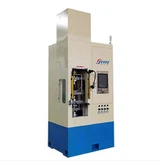
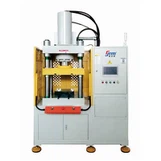
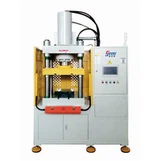
In the industrial landscape, hydraulic line presses play a pivotal role in a wide range of applications, from automotive manufacturing to heavy machinery repair. As a seasoned supplier of hydraulic line presses, I've witnessed firsthand the diverse needs of industries and the various types of hydraulic line presses designed to meet those needs. In this blog post, I'll delve into the different types of hydraulic line presses, their features, and applications, to help you make an informed decision when choosing the right press for your operations.
Hand - Operated Hydraulic Line Presses
Hand - operated hydraulic line presses are among the most basic yet versatile types in the market. These presses are powered by manual force, usually through a hand pump. They are compact, lightweight, and highly portable, making them ideal for on - site repairs and small - scale operations.
One of the key advantages of hand - operated hydraulic line presses is their simplicity. They don't require an external power source, which means they can be used in remote locations where electricity or other power supplies are not available. For example, in the field of agricultural machinery repair, mechanics can easily carry a hand - operated press to a farm to repair hydraulic lines on tractors or other equipment.
However, the main limitation of hand - operated presses is their relatively low pressing force. They are typically suitable for tasks that require less force, such as crimping small - diameter hydraulic hoses or performing light - duty assembly work. Despite this limitation, they are a cost - effective solution for many small businesses and DIY enthusiasts.
Electric Hydraulic Line Presses
Electric hydraulic line presses are a popular choice for medium - to large - scale industrial applications. These presses are powered by an electric motor, which drives a hydraulic pump to generate the necessary pressing force.
The main advantage of electric hydraulic line presses is their consistent and reliable performance. The electric motor provides a steady power supply, ensuring that the press can deliver a uniform pressing force throughout the operation. This is crucial for tasks that require high precision, such as manufacturing hydraulic cylinders or assembling precision components in the aerospace industry.
Another benefit is their relatively high pressing force. Electric hydraulic line presses can be designed to generate forces ranging from a few tons to several dozen tons, depending on the specific requirements of the application. For instance, a 20 Ton Hydraulic Press can handle more demanding tasks compared to a hand - operated press, making it suitable for heavy - duty crimping and pressing operations.
However, electric hydraulic line presses also have some drawbacks. They require a stable electrical power supply, which means they are not suitable for use in areas without access to electricity. Additionally, they are generally more expensive than hand - operated presses, both in terms of the initial purchase cost and the long - term maintenance cost.
Pneumatic Hydraulic Line Presses
Pneumatic hydraulic line presses combine the advantages of pneumatic and hydraulic systems. These presses use compressed air to drive a hydraulic pump, which then generates the pressing force.
One of the main advantages of pneumatic hydraulic line presses is their fast operation speed. The compressed air can quickly drive the hydraulic pump, allowing for rapid pressing cycles. This makes them suitable for high - volume production environments, such as automotive assembly lines, where speed is of the essence.
Pneumatic hydraulic line presses are also relatively clean and quiet compared to other types of presses. Since they use compressed air as the power source, there is no risk of oil spills or leaks, which is beneficial for maintaining a clean working environment. Moreover, they produce less noise during operation, reducing the impact on the working environment and the health of workers.
However, similar to electric hydraulic line presses, pneumatic hydraulic line presses require a specific power source, in this case, a compressed air supply. This means that they need to be connected to an air compressor, which adds to the overall cost and complexity of the system.
Hydraulic Presses with Different Tonnages
In addition to the different power sources, hydraulic line presses can also be classified based on their pressing force, which is usually measured in tons or tonnes.
Low - Tonnage Hydraulic Presses
Low - tonnage hydraulic presses, typically with a pressing force of less than 10 tons, are often used for light - duty applications. These presses are suitable for tasks such as small - scale crimping, stamping, and bending operations. They are commonly found in workshops, repair shops, and small manufacturing facilities.
Medium - Tonnage Hydraulic Presses
Medium - tonnage hydraulic presses, with a pressing force ranging from 10 to 50 tons, are more versatile and can handle a wider range of applications. They are used in industries such as automotive, machinery manufacturing, and metalworking. For example, a 30 Tonne Hydraulic Press can be used for tasks such as forming metal sheets, pressing bearings, and assembling large - scale hydraulic components.
High - Tonnage Hydraulic Presses
High - tonnage hydraulic presses, with a pressing force of more than 50 tons, are designed for heavy - duty industrial applications. These presses are commonly used in the forging, metal extrusion, and large - scale manufacturing industries. They can handle large - size workpieces and perform tasks that require extremely high pressing forces, such as forging large - diameter shafts or extruding thick metal bars.


Customized Hydraulic Line Presses
In some cases, standard hydraulic line presses may not meet the specific requirements of certain applications. That's where customized hydraulic line presses come in. Customized Hydraulic Press can be designed and built according to the unique needs of the customer, including the pressing force, stroke length, table size, and control system.
For example, in the medical device manufacturing industry, a customized hydraulic line press may be required to meet strict hygiene and precision requirements. The press can be designed with special materials and surface treatments to prevent contamination, and the control system can be programmed to achieve high - precision pressing operations.
Customized hydraulic line presses offer a high degree of flexibility and can provide a tailored solution for complex applications. However, they usually require a longer lead time and higher cost compared to standard presses, as they involve more design and engineering work.
Conclusion
Choosing the right type of hydraulic line press depends on a variety of factors, including the specific application, the required pressing force, the precision level, and the budget. As a supplier of hydraulic line presses, we understand the diverse needs of our customers and offer a wide range of presses to meet those needs. Whether you need a hand - operated press for small - scale tasks, an electric press for high - precision work, or a customized press for a unique application, we can provide you with the best solution.
If you are interested in learning more about our hydraulic line presses or have specific requirements for your operations, please feel free to contact us. Our team of experts is ready to assist you in selecting the most suitable press and providing you with professional advice and support. Let's work together to find the perfect hydraulic line press solution for your business.
References
- "Hydraulic Systems and Components" by John F. Dorgan.
- "Industrial Press Technology" by David A. Stephenson.
- Various industry reports and technical papers on hydraulic machinery.