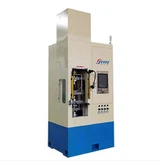
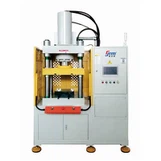
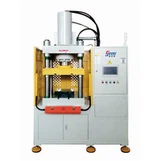
When it comes to hydraulic presses, understanding the electrical requirements is crucial for ensuring their proper operation, safety, and efficiency. As a leading supplier of hydraulic presses, we've encountered numerous customers with questions regarding these requirements. In this blog post, we'll delve into the key electrical aspects that you need to consider when dealing with hydraulic presses.
Power Supply
The first and most fundamental aspect of the electrical requirements for a hydraulic press is the power supply. Hydraulic presses typically rely on electric motors to drive the hydraulic pumps, which in turn generate the force needed for pressing operations. The power supply must meet the specific voltage and current requirements of the press.
Most hydraulic presses are designed to operate on standard industrial electrical systems. In many regions, this means a three - phase power supply at voltages such as 208V, 230V, 400V, or 480V. The choice of voltage depends on the size and power rating of the press. Smaller hydraulic presses, like our Small Hydraulic Press, may be able to operate on single - phase power supplies, which are more commonly available in smaller workshops or facilities. These single - phase supplies usually have voltages of 110V or 220V.
The current requirement is determined by the power rating of the electric motor. A higher - power motor will draw more current. It's essential to ensure that the electrical circuit supplying the press can handle the required current without overheating or tripping circuit breakers. Oversized circuit breakers can be dangerous as they may not trip in the event of an electrical fault, while undersized breakers will constantly trip, interrupting the operation of the press.
Motor Specifications
The electric motor is the heart of the hydraulic press's electrical system. Different types of motors can be used in hydraulic presses, with induction motors being the most common. Induction motors are known for their reliability, efficiency, and relatively low cost.


The power rating of the motor is a critical factor. It is usually measured in horsepower (hp) or kilowatts (kW). The power rating should be sufficient to drive the hydraulic pump and generate the required force for the press. For example, a small bench - top press may have a motor with a power rating of 1 - 2 hp, while large Industrial Hydraulic Press Machine used in heavy - duty manufacturing can have motors with power ratings of 10 hp or more.
The motor's speed and torque characteristics also play a role. The speed of the motor affects the rate at which the hydraulic pump can deliver fluid, which in turn affects the speed of the press operation. Torque is the rotational force produced by the motor. A motor with high starting torque is beneficial as it can quickly overcome the initial resistance when the press starts up.
Control Systems
Modern hydraulic presses are equipped with sophisticated control systems that rely on electrical components. These control systems allow operators to precisely control the operation of the press, including the speed, force, and position of the ram.
The control panel of a hydraulic press typically contains switches, buttons, and indicators. These components are used to start and stop the press, adjust the pressure, and monitor the status of the machine. Programmable Logic Controllers (PLCs) are often used in advanced control systems. PLCs can be programmed to execute complex sequences of operations, such as multiple - stage pressing cycles or automatic part ejection.
The control system also includes sensors. Pressure sensors are used to measure the hydraulic pressure in the system and ensure that it remains within the safe and desired range. Position sensors are used to monitor the position of the ram, allowing for accurate control of the pressing depth. These sensors send electrical signals to the control panel, which then makes the necessary adjustments to the operation of the press.
Safety Devices
Electrical safety devices are an integral part of the hydraulic press's electrical system. These devices are designed to protect operators from electrical hazards and prevent damage to the machine.
One of the most important safety devices is the emergency stop button. This button, usually bright red and easily accessible, can immediately cut off the power supply to the press in case of an emergency. It should be tested regularly to ensure that it functions properly.
Ground fault circuit interrupters (GFCIs) are also commonly used. GFCIs monitor the electrical current flowing through the circuit and can quickly detect any imbalance, which may indicate a ground fault. If a ground fault is detected, the GFCI will trip and cut off the power, preventing electric shock.
Overload protection devices, such as thermal overload relays, are used to protect the electric motor from overheating. These relays monitor the current flowing through the motor and will trip if the current exceeds a pre - set limit, protecting the motor from damage.
Lighting and Auxiliary Equipment
In addition to the main electrical components of the hydraulic press, there may also be requirements for lighting and auxiliary equipment. Adequate lighting is essential for operators to see the work area clearly and perform their tasks safely. The lighting should be evenly distributed and provide sufficient illumination.
Auxiliary equipment, such as cooling fans for the hydraulic system or heaters for the hydraulic fluid in cold environments, may also require electrical power. These components should be properly sized and connected to the electrical system to ensure that they operate efficiently.
Considerations for Installation and Maintenance
When installing a hydraulic press, it's important to have a qualified electrician perform the electrical work. The electrician should follow all local electrical codes and regulations to ensure a safe and proper installation.
Regular maintenance of the electrical system is also crucial. This includes checking the electrical connections for tightness and signs of corrosion, inspecting the insulation of the wiring, and testing the operation of the safety devices. Any worn or damaged electrical components should be replaced immediately to prevent electrical failures and safety hazards.
Conclusion
As a hydraulic press supplier, we understand that the electrical requirements of these machines are complex and require careful consideration. From the power supply and motor specifications to the control systems, safety devices, and auxiliary equipment, every aspect of the electrical system plays a vital role in the proper operation and safety of the press.
If you're in the market for a hydraulic press, whether it's a Small Hydraulic Press for a small workshop or a Fast Hydraulic Press for high - volume production, our team of experts can help you understand the electrical requirements and ensure that you get the right machine for your needs.
We're here to assist you throughout the purchasing process, from providing technical advice to helping with installation and maintenance. If you have any questions or would like to discuss your specific requirements, please don't hesitate to contact us for a detailed consultation and procurement discussion.
References
- "Electrical Installation Guide for Industrial Machinery", National Electrical Manufacturers Association (NEMA)
- "Hydraulic Press Operation and Maintenance Manuals", Industry - standard publications from leading hydraulic press manufacturers.