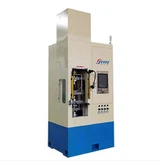
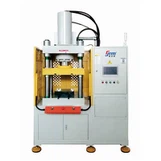
Hey there! As a supplier of small hydraulic presses, I know how crucial it is to understand the emergency stop procedures. These procedures can save lives, prevent serious injuries, and protect your equipment from significant damage. So, let's dive right in and talk about what you need to do when an emergency strikes with your small hydraulic press.
Why Emergency Stop Procedures Matter
First off, why are these emergency stop procedures so important? Well, small hydraulic presses are powerful machines. They use hydraulic fluid to generate a large amount of force, which is great for tasks like pressing, bending, and shaping materials. But this same power can be extremely dangerous if something goes wrong.
Imagine a situation where a worker's hand gets caught in the press, or there's a sudden mechanical failure that causes the press to malfunction. Without proper emergency stop procedures, the consequences could be catastrophic. That's why having a clear set of steps to follow in an emergency is essential for anyone using or working around these machines.
Identifying the Emergency Stop Button
The first step in any emergency stop procedure is to know where the emergency stop button is located. On most small hydraulic presses, the emergency stop button is a large, red button that's easy to spot. It's usually located within easy reach of the operator, often on the control panel or a nearby console.
When you're setting up your small hydraulic press, make sure all operators are trained to identify the emergency stop button immediately. It's also a good idea to label the button clearly and keep it free of any obstructions. That way, in an emergency, anyone can quickly find and press the button to stop the machine.


Pressing the Emergency Stop Button
Once you've identified the emergency stop button, pressing it is the next step. When you press the emergency stop button, it sends a signal to the machine's control system to shut down all power to the press. This includes stopping the hydraulic pump, releasing the pressure in the hydraulic system, and engaging the brakes to prevent any further movement of the press.
It's important to press the emergency stop button firmly and hold it down for a few seconds to ensure that the machine comes to a complete stop. Avoid tapping or lightly pressing the button, as this may not send a strong enough signal to the control system.
After Pressing the Emergency Stop Button
After you've pressed the emergency stop button, there are a few things you need to do next. First, make sure that the machine has actually stopped. Check to see if the hydraulic pump has stopped running and if the press is no longer moving. If the machine is still moving or making noise, press the emergency stop button again and hold it down for a longer period of time.
Next, assess the situation to determine the cause of the emergency. Is there a mechanical failure, a safety hazard, or a problem with the operator? Once you've identified the cause, take appropriate action to address it. This may involve calling a maintenance technician, performing a safety inspection, or providing additional training to the operator.
Finally, once the problem has been resolved, you can reset the emergency stop button and restart the machine. Make sure to follow the manufacturer's instructions for resetting the emergency stop button and restarting the press.
Additional Emergency Stop Procedures
In addition to pressing the emergency stop button, there are a few other emergency stop procedures that you should be aware of. For example, some small hydraulic presses may have a manual override switch that allows you to stop the machine in an emergency. This switch is usually located on the hydraulic pump or the control panel.
If you encounter an emergency and the emergency stop button is not working, you can try using the manual override switch to stop the machine. However, this should only be done as a last resort, as using the manual override switch may cause additional damage to the machine.
Another important emergency stop procedure is to have a clear evacuation plan in place. In the event of a serious emergency, such as a fire or a chemical spill, all operators should know how to evacuate the area safely. Make sure to post evacuation routes and procedures in a visible location and conduct regular evacuation drills to ensure that everyone knows what to do in an emergency.
Conclusion
In conclusion, understanding the emergency stop procedures for a small hydraulic press is essential for anyone using or working around these machines. By knowing where the emergency stop button is located, how to press it, and what to do after pressing it, you can help prevent serious injuries and protect your equipment from damage.
If you're in the market for a small hydraulic press, we offer a wide range of options to meet your needs. Check out our Hot Hydraulic Press, Small Electric Hydraulic Press, and Portable Hydraulic Bushing Press for more information.
If you have any questions or would like to discuss your specific requirements, feel free to reach out. We're here to help you find the perfect small hydraulic press for your business.
References
- OSHA (Occupational Safety and Health Administration) - Safety standards for hydraulic presses
- Manufacturer's manuals for small hydraulic presses