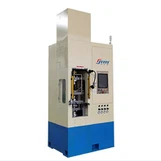
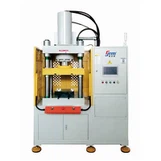
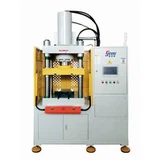
Hey there! As a supplier of 30 Ton Presses, I often get asked about the power consumption of these machines per hour. It's a crucial question, especially for businesses looking to manage their operational costs and understand the energy requirements of their equipment. So, let's dive right into it and break down what affects the power consumption of a 30 Ton Press and how you can estimate it.
Understanding the Basics of a 30 Ton Press
First off, what exactly is a 30 Ton Press? Well, it's a machine used in various industries for tasks like metal forming, stamping, and assembly. The "30 Ton" refers to the maximum force the press can exert, which is a significant amount of power. These presses can be hydraulic, mechanical, or electric, each with its own power consumption characteristics.
Factors Affecting Power Consumption
Several factors influence how much power a 30 Ton Press uses per hour. Let's take a look at some of the key ones:
Type of Press
- Hydraulic Presses: These are the most common type of 30 Ton Presses. They use a hydraulic system to generate the force needed for pressing operations. The power consumption of a hydraulic press depends on the size of the hydraulic pump, the pressure it operates at, and the frequency of use. Generally, hydraulic presses have a relatively high power consumption because they need to keep the hydraulic fluid pressurized at all times.
- Mechanical Presses: Mechanical presses use a mechanical drive system, such as a flywheel and a crankshaft, to generate force. They tend to have a lower power consumption compared to hydraulic presses because they only consume power during the actual pressing operation. However, they may require more maintenance due to the mechanical components.
- Electric Presses: Electric presses are becoming more popular due to their energy efficiency and precision. They use an electric motor to generate force, and their power consumption is directly related to the motor's size and the load it needs to handle. Electric presses can be more energy-efficient than hydraulic presses because they only consume power when needed.
Operating Conditions
- Pressing Frequency: How often the press is used is a major factor in power consumption. If the press is constantly in use, it will consume more power than if it's used intermittently. For example, a press that is used to produce a high volume of parts per hour will consume more power than a press that is only used a few times a day.
- Pressing Force: The amount of force required for each pressing operation also affects power consumption. If the press needs to exert a high force for each operation, it will consume more power than if it only needs to exert a low force.
- Duty Cycle: The duty cycle of the press refers to the ratio of the time the press is in operation to the total time. A press with a high duty cycle will consume more power than a press with a low duty cycle.
Estimating Power Consumption
Now that we understand the factors that affect power consumption, let's look at how we can estimate the power consumption of a 30 Ton Press per hour.
Hydraulic Presses
For hydraulic presses, the power consumption can be estimated using the following formula:
Power (kW) = (Pressure (bar) x Flow Rate (l/min)) / (600 x Efficiency)
Where:


- Pressure is the operating pressure of the hydraulic system in bar.
- Flow Rate is the volume of hydraulic fluid flowing through the system in liters per minute.
- Efficiency is the efficiency of the hydraulic system, which is typically around 0.8 - 0.9.
For example, let's say we have a 30 Ton hydraulic press with an operating pressure of 200 bar and a flow rate of 20 l/min. Using the formula above, we can calculate the power consumption as follows:
Power (kW) = (200 x 20) / (600 x 0.8) = 8.33 kW
This means that the press will consume 8.33 kilowatts of power per hour if it is constantly in operation.
Mechanical Presses
For mechanical presses, the power consumption can be estimated based on the motor size and the operating speed. The motor size is usually specified by the manufacturer, and the power consumption can be calculated using the following formula:
Power (kW) = Motor Power (kW) x Load Factor
Where:
- Motor Power is the rated power of the motor in kilowatts.
- Load Factor is the ratio of the actual load on the motor to the rated load, which typically ranges from 0.5 - 0.8.
For example, let's say we have a 30 Ton mechanical press with a 5 kW motor and a load factor of 0.6. Using the formula above, we can calculate the power consumption as follows:
Power (kW) = 5 x 0.6 = 3 kW
This means that the press will consume 3 kilowatts of power per hour if it is constantly in operation.
Electric Presses
For electric presses, the power consumption can be estimated based on the motor's power rating and the load it needs to handle. The power consumption of an electric press is directly related to the motor's power rating and the load it needs to handle.
For example, let's say we have a 30 Ton electric press with a 4 kW motor. If the press is operating at full load, it will consume 4 kilowatts of power per hour. However, if the press is operating at half load, it will consume 2 kilowatts of power per hour.
Tips for Reducing Power Consumption
If you're looking to reduce the power consumption of your 30 Ton Press, here are some tips:
- Optimize Operating Conditions: Try to reduce the pressing frequency and the pressing force whenever possible. This can be achieved by using more efficient tooling and by optimizing the pressing process.
- Maintain the Press Regularly: Regular maintenance can help ensure that the press is operating at its peak efficiency. This includes checking the hydraulic fluid level, the motor's performance, and the mechanical components for wear and tear.
- Use Energy-Efficient Equipment: Consider using energy-efficient motors, pumps, and other components in your press. This can help reduce the overall power consumption of the press.
- Implement a Power Management System: A power management system can help you monitor and control the power consumption of your press. This can include features such as automatic shutdown when the press is not in use and energy-saving modes.
Our 30 Ton Press Offerings
As a supplier of 30 Ton Presses, we offer a wide range of options to meet your specific needs. Whether you're looking for a hydraulic press, a mechanical press, or an electric press, we have the right solution for you.
- Electric Over Hydraulic Press: Our electric over hydraulic presses combine the best of both worlds, offering the precision and energy efficiency of an electric press with the power and versatility of a hydraulic press.
- Customized Hydraulic Press: We also offer customized hydraulic presses that can be tailored to your specific requirements. Whether you need a press with a higher tonnage, a special tooling setup, or a unique operating system, we can design and build a press that meets your needs.
- Otc 50 Ton Press: If you need a higher tonnage press, we also offer the Otc 50 Ton Press. This press is designed for heavy-duty applications and can handle a wide range of pressing operations.
Contact Us for More Information
If you're interested in learning more about our 30 Ton Presses or have any questions about power consumption, please don't hesitate to contact us. Our team of experts is here to help you find the right press for your needs and to provide you with all the information you need to make an informed decision.
We look forward to hearing from you and helping you take your pressing operations to the next level!
References
- "Power Consumption of Hydraulic Presses." Hydraulic Press Manufacturers Association.
- "Energy Efficiency in Pressing Operations." International Journal of Manufacturing Technology.
- "Electric Presses: A New Era in Pressing Technology." Electric Press Association.