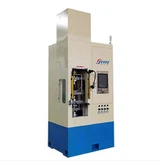
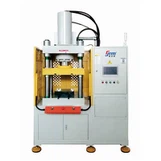
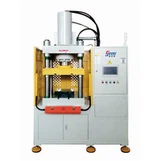
Stamping presses are essential machines in various industries, including automotive, aerospace, and manufacturing. As a leading stamping presses supplier, I've witnessed firsthand the widespread use of these machines. However, it's crucial to understand the environmental impacts associated with stamping presses. This blog post will delve into the environmental effects of stamping presses and discuss ways to mitigate them.
Energy Consumption
One of the most significant environmental impacts of stamping presses is their high energy consumption. Stamping presses typically require a substantial amount of electricity to operate, especially large-scale industrial presses. The energy is used to power the motor, which drives the ram to apply force for stamping operations.
The continuous operation of stamping presses can lead to a significant increase in energy demand. This not only contributes to higher electricity bills for manufacturers but also has broader environmental implications. Most of the electricity generated globally still comes from fossil fuels, such as coal and natural gas. The combustion of these fossil fuels releases greenhouse gases, including carbon dioxide (CO2), into the atmosphere, contributing to climate change.
To address this issue, modern stamping presses are being designed with energy-efficient features. For example, some stamping presses are equipped with variable frequency drives (VFDs). VFDs allow the motor to adjust its speed according to the workload, reducing energy consumption during periods of low demand. Additionally, energy recovery systems can be installed to capture and reuse the energy generated during the stamping process. These technologies help to minimize the environmental footprint of stamping presses by reducing their energy consumption.
Noise Pollution
Stamping presses can generate a considerable amount of noise during operation. The impact of the ram on the workpiece creates loud banging and clanging sounds, which can be harmful to the health of workers and nearby residents. Prolonged exposure to high levels of noise can lead to hearing loss, stress, and other health problems.
From an environmental perspective, noise pollution can disrupt the natural habitat of wildlife and affect their behavior and communication. In industrial areas where stamping presses are commonly used, the noise can interfere with the normal activities of animals, such as hunting, mating, and migration.
To mitigate noise pollution, manufacturers can take several measures. Installing soundproof enclosures around the stamping presses can significantly reduce the noise levels. These enclosures are designed to absorb and dampen the sound waves, preventing them from spreading into the surrounding environment. Additionally, using anti-vibration pads and isolators can help to reduce the transmission of vibrations and noise from the press to the floor and other structures.
Waste Generation
Stamping operations produce various types of waste, including scrap metal, lubricants, and coolant. Scrap metal is a byproduct of the stamping process, as excess material is removed from the workpiece to create the desired shape. This scrap metal can accumulate in large quantities, taking up valuable storage space and posing a disposal challenge.
Lubricants and coolants are used in stamping presses to reduce friction and heat during the stamping process. However, these fluids can become contaminated over time and need to be replaced. Improper disposal of used lubricants and coolants can have a negative impact on the environment, as they may contain harmful chemicals and heavy metals.
To manage waste effectively, manufacturers can implement recycling programs for scrap metal. Recycling scrap metal not only reduces the amount of waste sent to landfills but also conserves natural resources. Many metals, such as steel and aluminum, can be recycled repeatedly without losing their properties. Additionally, proper disposal and recycling of used lubricants and coolants are essential to prevent environmental contamination. Some companies offer services for the collection and recycling of these fluids, ensuring that they are disposed of in an environmentally friendly manner.
Air Pollution
Stamping presses can also contribute to air pollution. During the stamping process, lubricants and coolants can evaporate, releasing volatile organic compounds (VOCs) into the air. VOCs are harmful pollutants that can react with sunlight and other chemicals in the atmosphere to form ground-level ozone, a major component of smog.


In addition, the use of fossil fuels to power the stamping presses can release pollutants such as particulate matter, sulfur dioxide, and nitrogen oxides into the air. These pollutants can have detrimental effects on human health, causing respiratory problems, heart disease, and other illnesses.
To reduce air pollution, manufacturers can use low-VOC lubricants and coolants. These products are designed to minimize the release of VOCs into the air, reducing the environmental impact of the stamping process. Additionally, installing air filtration systems in the stamping area can help to capture and remove pollutants from the air, improving the air quality in the workplace and the surrounding environment.
Mitigating the Environmental Impacts
As a stamping presses supplier, we are committed to helping our customers minimize the environmental impacts of their stamping operations. We offer a range of energy-efficient stamping presses, such as the Air Operated Hydraulic Press, Hot Hydraulic Press, and Small Hydraulic Press, which are designed to reduce energy consumption and noise pollution.
We also provide technical support and advice on waste management and air pollution control. Our team of experts can help customers implement recycling programs for scrap metal and proper disposal methods for used lubricants and coolants. Additionally, we can recommend air filtration systems and other pollution control technologies to improve the air quality in the stamping area.
Conclusion
Stamping presses play a vital role in modern manufacturing, but they also have significant environmental impacts. Energy consumption, noise pollution, waste generation, and air pollution are some of the key environmental issues associated with stamping presses. However, by implementing energy-efficient technologies, noise reduction measures, waste management strategies, and air pollution control methods, manufacturers can minimize the environmental footprint of their stamping operations.
As a stamping presses supplier, we are dedicated to providing our customers with sustainable solutions that balance productivity and environmental responsibility. If you are interested in learning more about our stamping presses or discussing ways to reduce the environmental impact of your stamping operations, please feel free to contact us. We look forward to working with you to create a more sustainable future.
References
- American Society of Mechanical Engineers (ASME). (20XX). Guidelines for Energy Efficiency in Manufacturing Processes.
- Environmental Protection Agency (EPA). (20XX). Noise Pollution and Its Effects on Human Health and the Environment.
- Institute of Scrap Recycling Industries (ISRI). (20XX). Best Practices for Metal Recycling.