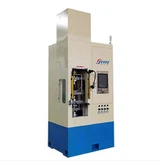
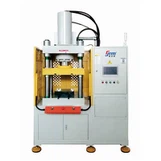
Hey there! I'm a supplier of Precision Hydraulic Presses, and today I wanna chat about the energy consumption of these nifty machines.
First off, let's understand what a precision hydraulic press is. It's a powerful piece of equipment that uses hydraulic cylinders to generate a compressive force. These presses are used in a wide range of industries, from manufacturing to automotive, for tasks like forging, stamping, and molding.
Now, when it comes to energy consumption, there are several factors that come into play. One of the main factors is the size and capacity of the press. Larger presses with higher tonnage generally consume more energy. For example, our 20 Ton Floor Press and 30 Ton Press will have different energy requirements. The 30 - ton press, being more powerful, needs more energy to operate because it has to generate a greater amount of force.
The type of operation also affects energy consumption. If the press is running continuously for long periods, it will use more energy compared to intermittent use. For instance, in a factory where the press is used to stamp out hundreds of parts every hour, the energy consumption will be quite high. On the other hand, if it's used for occasional small - scale jobs, the energy usage will be much lower.
Another important factor is the efficiency of the hydraulic system. A well - maintained and properly designed hydraulic system can significantly reduce energy consumption. Our presses are engineered with high - efficiency hydraulic pumps and valves. These components are designed to minimize energy losses due to friction and heat. For example, the Hydraulic Hose Press we offer has an advanced hydraulic system that ensures optimal energy use.
Let's talk numbers. The energy consumption of a precision hydraulic press is usually measured in kilowatt - hours (kWh). On average, a small - to - medium - sized press might consume around 2 - 5 kWh per hour of operation. However, larger presses can consume 10 kWh or more per hour. But it's not just about the power consumption during operation. There are also standby losses to consider. Even when the press is not actively pressing, the hydraulic system might still be using a small amount of energy to maintain pressure and keep the system ready for the next operation.
To reduce energy consumption, there are a few things you can do. One is to optimize the operating cycle. By adjusting the speed and pressure settings according to the specific job requirements, you can avoid over - using energy. For example, if a particular job only requires a low - pressure operation, there's no need to set the press to its maximum pressure.
Regular maintenance is also crucial. Keeping the hydraulic fluid clean and at the right level, and ensuring that all the seals and valves are in good condition can prevent energy losses due to leaks and inefficiencies. We always recommend following our maintenance guidelines to get the most out of your press while keeping energy costs down.
In addition, some of our presses come with energy - saving features. For example, there are presses with variable - speed drives. These drives can adjust the speed of the hydraulic pump according to the load, which means less energy is used when the press doesn't need to work at full capacity.
Now, if you're in the market for a precision hydraulic press, it's important to consider energy consumption as part of your decision - making process. A press that consumes less energy can save you a significant amount of money in the long run, not to mention being more environmentally friendly.
We've been in the business of supplying precision hydraulic presses for years, and we know how important it is to balance performance and energy efficiency. Our team of experts can help you choose the right press for your specific needs, taking into account factors like energy consumption, tonnage, and the type of jobs you'll be doing.
If you're interested in learning more about our range of precision hydraulic presses or have any questions about energy consumption, don't hesitate to reach out. We're here to help you make an informed decision and get the best value for your money. Whether you need a small - scale press for a workshop or a large - capacity press for a big - time manufacturing plant, we've got you covered.
So, if you're ready to take your production to the next level with a high - quality, energy - efficient precision hydraulic press, let's start a conversation. We're eager to work with you and help you find the perfect solution for your business.


References
- Industry reports on hydraulic press technology and energy efficiency
- In - house research and development data on our precision hydraulic presses