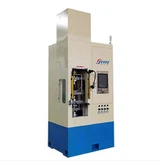
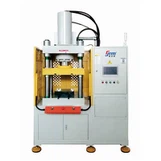
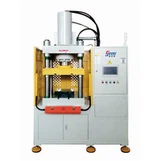
As a trusted supplier of hydraulic presses, I understand that installing a hydraulic press correctly is crucial for its optimal performance and longevity. In this blog post, I'll delve into the key installation requirements for a hydraulic press, ensuring that you're well - informed before embarking on the installation process.
Site Preparation
The first step in installing a hydraulic press is site preparation. The location where the press will be installed should meet specific criteria.
Floor Strength
The floor must be able to support the weight of the hydraulic press. Hydraulic presses can be quite heavy, especially larger models. Before installation, it's essential to consult the press's technical documentation to determine its weight. A structural engineer may be needed to assess whether the floor can handle the load. For example, a large industrial hydraulic press may require a reinforced concrete floor. If the floor is not strong enough, it can lead to uneven settling of the press, which can cause misalignment and premature wear of components.
Space Requirements
Sufficient space around the press is necessary for safe operation and maintenance. There should be enough room for operators to move freely, access control panels, and perform routine inspections. Additionally, space is needed for loading and unloading materials. A general rule of thumb is to leave at least 3 - 5 feet of clearance on all sides of the press. This space also allows for the installation of any additional equipment, such as material handling systems or safety guards.
Ventilation
Hydraulic presses generate heat during operation, especially when working under heavy loads. Adequate ventilation is required to dissipate this heat and prevent overheating of the hydraulic system and other components. A well - ventilated area can also help remove any fumes or odors that may be produced by the hydraulic fluid. If the press is installed in an enclosed space, mechanical ventilation systems may be necessary.
Electrical Requirements
Hydraulic presses rely on electrical power to operate various components, such as pumps, motors, and control systems.
Power Supply
The press must be connected to a suitable power supply. Check the press's specifications to determine the required voltage, frequency, and amperage. In most industrial settings, a three - phase power supply is used for larger hydraulic presses, while smaller models may operate on single - phase power. It's important to ensure that the electrical circuit is properly sized to handle the press's power requirements. Overloading the circuit can lead to electrical failures and pose a safety hazard.
Wiring and Grounding
Proper wiring is essential for the safe and reliable operation of the press. All electrical connections should be made according to local electrical codes and standards. The press should be grounded to prevent electrical shocks and protect against electrical faults. A dedicated ground wire should be connected to the press's frame and to a proper grounding electrode.
Hydraulic System Installation
The hydraulic system is the heart of a hydraulic press, and its proper installation is critical.
Hydraulic Fluid
Select the appropriate hydraulic fluid for your press. The fluid should have the right viscosity, anti - wear properties, and oxidation resistance. Consult the press manufacturer's recommendations to choose the correct fluid. When filling the hydraulic reservoir, make sure to use a clean funnel to prevent contaminants from entering the system.
Piping and Hoses
The hydraulic pipes and hoses should be installed correctly to ensure proper fluid flow. All connections should be tight and leak - free. Use high - quality pipes and hoses that are rated for the operating pressure of the system. Bend the pipes and hoses carefully to avoid kinking, which can restrict fluid flow and cause damage to the system.
Pump and Motor Installation
The hydraulic pump and motor should be installed securely. Ensure that the pump is properly aligned with the motor to prevent excessive vibration and premature wear. The pump should be primed before starting the system to ensure proper lubrication and prevent damage.
Safety Considerations
Safety is of utmost importance when installing a hydraulic press.
Safety Guards
Install safety guards around the press to protect operators from moving parts and flying debris. The guards should be made of sturdy materials and be easily removable for maintenance. They should also be interlocked with the press's control system so that the press cannot operate when the guards are open.
Emergency Stop Buttons
Place emergency stop buttons in easily accessible locations around the press. These buttons should be clearly marked and should immediately stop all press operations in case of an emergency.
Operator Training
Before the press is put into operation, all operators should receive proper training on its safe use. This training should cover topics such as operating procedures, safety features, and maintenance requirements.


Testing and Commissioning
After the installation is complete, the hydraulic press should be thoroughly tested and commissioned.
Leak Testing
Check all hydraulic connections for leaks. Use a pressure test to ensure that the system can maintain the required operating pressure without any leaks. Any leaks should be repaired immediately.
Function Testing
Test all the functions of the press, including the up and down movement, pressure control, and safety features. Make sure that the press operates smoothly and that all controls are responsive.
Performance Testing
Conduct performance tests to ensure that the press meets the specified performance criteria. This may include testing the press's force capacity, speed, and accuracy.
At our company, we offer a wide range of hydraulic presses to meet your specific needs. For example, our Small Electric Hydraulic Press is perfect for small - scale operations, while the C Frame Press is a versatile option for various applications. If you require a high - capacity press, our Otc 50 Ton Press is an excellent choice.
If you're considering purchasing a hydraulic press or need assistance with installation, we're here to help. Our team of experts can provide you with detailed information, guidance, and support throughout the process. Contact us today to start a discussion about your requirements and let's find the perfect hydraulic press solution for your business.
References
- "Hydraulic Press Handbook", Industrial Press Inc.
- "Safety Standards for Hydraulic Machinery", Occupational Safety and Health Administration (OSHA)
- Manufacturer's technical documentation for various hydraulic press models.