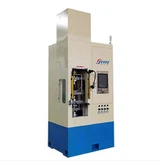
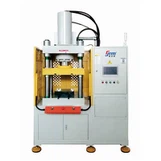
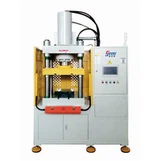
A hydraulic hose press is an essential piece of equipment in various industries, used for assembling hydraulic hoses and fittings. As a supplier of hydraulic hose presses, I have in - depth knowledge of their main components. Understanding these components can help potential buyers make informed decisions and ensure the efficient operation of the equipment.
1. Frame
The frame is the backbone of a hydraulic hose press. It provides structural support and stability during the pressing process. A well - designed frame is crucial to withstand the high forces generated when crimping hydraulic hoses.
Frames are typically made from high - strength steel. The material's durability ensures that the press can endure repeated use without deformation. There are different types of frames, such as the C - frame and H - frame. The C - frame design is compact and offers easy access to the pressing area, making it suitable for smaller workpieces and applications where space is limited. On the other hand, the 20 Ton H Frame Press provides greater stability and can handle larger and heavier hoses and fittings. The H - frame's open structure also allows for more flexibility in loading and unloading the workpieces.
2. Hydraulic System
The hydraulic system is the heart of the hydraulic hose press. It is responsible for generating the force required to crimp the hose and fitting together. The main components of the hydraulic system include the hydraulic pump, hydraulic cylinder, and hydraulic fluid.
Hydraulic Pump
The hydraulic pump converts mechanical energy into hydraulic energy. There are different types of hydraulic pumps, such as gear pumps, piston pumps, and vane pumps. Gear pumps are simple, reliable, and cost - effective. They are suitable for applications where a relatively low - pressure and constant flow rate are required. Piston pumps, on the other hand, can generate high pressures and are more efficient for high - force crimping operations.
Hydraulic Cylinder
The hydraulic cylinder is the component that converts the hydraulic energy from the pump into linear mechanical force. It consists of a piston, cylinder barrel, and seals. When hydraulic fluid is pumped into the cylinder, it pushes the piston, which in turn applies the force to the crimping dies. The size and design of the hydraulic cylinder determine the maximum pressing force of the hose press.
Hydraulic Fluid
Hydraulic fluid serves as the medium for transmitting power in the hydraulic system. It also lubricates the moving parts and helps to dissipate heat. High - quality hydraulic fluid is essential to ensure the smooth operation and long - term reliability of the hydraulic system. It should have good viscosity, anti - wear properties, and resistance to oxidation and foaming.
3. Crimping Dies
Crimping dies are the tools that directly interact with the hose and fitting to create the crimp. They come in a variety of shapes and sizes to accommodate different hose diameters and fitting types.
The quality of the crimping dies is crucial for achieving a proper and reliable crimp. They are usually made from high - strength tool steel and are heat - treated to enhance their hardness and wear resistance. The surface finish of the dies also affects the quality of the crimp. A smooth surface finish helps to prevent damage to the hose and ensures a uniform crimp.
Crimping dies can be customized according to the specific requirements of the customer. For example, some applications may require special die profiles to create a specific crimp pattern or to meet certain industry standards.
4. Control System
The control system of a hydraulic hose press allows the operator to set and control the crimping process. It includes components such as the control panel, sensors, and actuators.
Control Panel
The control panel is the interface between the operator and the press. It typically features a display screen that shows important information such as the crimping force, crimping diameter, and cycle time. The operator can use the control panel to set the desired parameters for the crimping process, such as the target crimp diameter and the maximum pressing force.
Sensors
Sensors play a vital role in ensuring the accuracy and safety of the crimping process. They can measure parameters such as the position of the hydraulic cylinder, the pressure in the hydraulic system, and the diameter of the crimp. For example, a pressure sensor can monitor the hydraulic pressure and stop the crimping process if the pressure exceeds a pre - set limit, preventing over - crimping and damage to the hose and fitting.
Actuators
Actuators are responsible for executing the commands from the control system. They can control the movement of the hydraulic cylinder, the opening and closing of the crimping dies, and other functions of the press. Electric actuators are commonly used in modern hydraulic hose presses due to their precise control and fast response times.
5. Power Source
The power source provides the energy needed to operate the hydraulic hose press. There are different types of power sources available, depending on the design and application of the press.
Electric Power
Many hydraulic hose presses are powered by electricity. Electric motors are used to drive the hydraulic pump. Electric - powered presses are clean, quiet, and easy to operate. They are suitable for indoor applications where noise and emissions are a concern. The 10 Ton Electric Hydraulic Press is an example of an electric - powered press that offers reliable performance and energy efficiency.
Air Power
Some hydraulic hose presses are air - operated. The Air Operated Hydraulic Press uses compressed air to drive a pneumatic - hydraulic pump. Air - operated presses are often used in environments where electricity is not readily available or where there is a risk of electrical hazards, such as in explosive atmospheres.
6. Safety Features
Safety is of utmost importance when operating a hydraulic hose press. Therefore, modern presses are equipped with a variety of safety features to protect the operator and prevent accidents.
Emergency Stop Button
An emergency stop button is a standard safety feature on all hydraulic hose presses. It allows the operator to immediately stop the operation of the press in case of an emergency.
Safety Guards
Safety guards are used to enclose the moving parts of the press, such as the crimping dies and the hydraulic cylinder. They prevent the operator from accidentally coming into contact with these parts during the operation of the press.
Pressure Relief Valve
A pressure relief valve is installed in the hydraulic system to prevent over - pressurization. If the pressure in the hydraulic system exceeds a pre - set limit, the pressure relief valve will open and release the excess pressure, protecting the hydraulic components from damage.

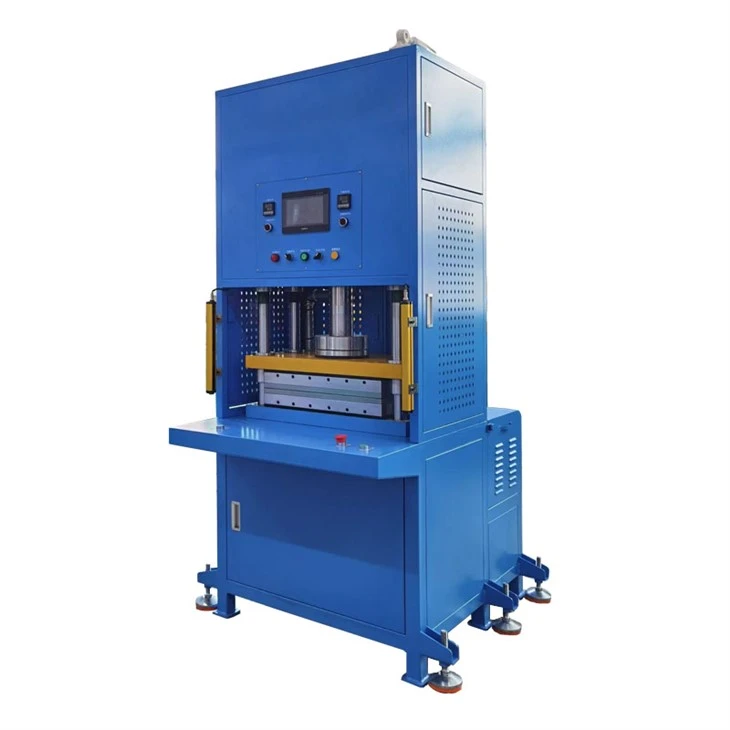
In conclusion, a hydraulic hose press is a complex piece of equipment consisting of several key components. Each component plays a crucial role in the performance and reliability of the press. As a supplier of hydraulic hose presses, we are committed to providing high - quality products that meet the diverse needs of our customers. Whether you need a small, compact press for light - duty applications or a large, heavy - duty press for industrial use, we have the right solution for you.
If you are interested in purchasing a hydraulic hose press or have any questions about our products, please feel free to contact us for further discussion. We look forward to working with you to meet your hydraulic hose pressing needs.
References
- "Hydraulic Systems and Components" - Industrial Hydraulics Handbook
- "Crimping Technology for Hydraulic Hoses" - Hose and Fitting Manufacturer's Association Publications