As a supplier of Hydraulic Servo Presses, I've been in the industry long enough to know that the pressure gauge is one of those under - appreciated components. It might not be the flashiest part of the press, but it's incredibly important. So, let's dive into what the function of the pressure gauge in a Hydraulic Servo Press really is.
Monitoring Hydraulic Pressure
The most obvious function of a pressure gauge in a Hydraulic Servo Press is to monitor the hydraulic pressure. In a hydraulic system, pressure is the force that makes things happen. It's what allows the press to apply the necessary force to perform operations like stamping, forging, or molding.
The pressure gauge gives us a real - time reading of how much pressure is being generated in the hydraulic system. This is crucial because different operations require different levels of pressure. For example, if you're stamping a thin piece of metal, you don't need as much pressure as you would for forging a thick block of steel. By keeping an eye on the pressure gauge, operators can adjust the system to ensure that the right amount of pressure is being applied.
If the pressure is too low, the press might not be able to complete the operation properly. The stamped part might not have the right shape, or the forged piece might not be fully formed. On the other hand, if the pressure is too high, it can cause damage to the press itself, the tooling, or even the workpiece. It can lead to premature wear and tear on the hydraulic components, and in extreme cases, it can cause a hydraulic line to burst.
Ensuring System Safety
Safety is a top priority in any industrial setting, and the pressure gauge plays a vital role in ensuring the safety of the Hydraulic Servo Press. By constantly monitoring the pressure, the gauge can act as an early warning system. If the pressure starts to rise above the normal operating range, it could be a sign of a problem in the system.
For instance, a clogged filter can cause the pressure to increase because the flow of hydraulic fluid is restricted. If the operator notices the abnormal pressure reading on the gauge, they can shut down the press before any serious damage occurs. Similarly, a malfunctioning pump or a leaking valve can also cause pressure fluctuations. The pressure gauge helps in detecting these issues early, allowing for timely maintenance and preventing potential accidents.
Quality Control
In addition to safety and pressure monitoring, the pressure gauge is also an important tool for quality control. Consistent pressure is key to producing high - quality parts. When manufacturing parts using a Hydraulic Servo Press, the same pressure needs to be applied every time to ensure that each part meets the required specifications.
The pressure gauge allows operators to verify that the pressure remains stable throughout the production process. If there are any variations in pressure, it can lead to inconsistencies in the parts. For example, in a molding operation, inconsistent pressure can result in parts with different wall thicknesses or surface finishes. By referring to the pressure gauge, operators can make adjustments to maintain the desired pressure and ensure that the parts are of consistent quality.

Troubleshooting
When something goes wrong with a Hydraulic Servo Press, the pressure gauge can be a valuable diagnostic tool. By analyzing the pressure readings, technicians can often identify the root cause of the problem.
If the pressure suddenly drops, it could indicate a leak in the hydraulic system. The technician can then start looking for the source of the leak, such as a damaged seal or a cracked pipe. On the other hand, if the pressure keeps rising and won't come down, it could be a sign of a blockage or a malfunctioning control valve.
By using the pressure gauge as a starting point, troubleshooting becomes more efficient. Instead of randomly checking different components, technicians can focus their efforts based on the pressure readings, saving time and reducing downtime.
Different Types of Pressure Gauges in Hydraulic Servo Presses
There are several types of pressure gauges that can be used in Hydraulic Servo Presses. The most common ones are mechanical and digital pressure gauges.
Mechanical pressure gauges are simple and reliable. They work based on the principle of a Bourdon tube. When pressure is applied, the Bourdon tube deforms, and this deformation is translated into a movement of the gauge needle. Mechanical gauges are often preferred in industrial settings because they are rugged and can withstand harsh environments.
Digital pressure gauges, on the other hand, offer more advanced features. They can provide a more accurate reading, and some can even be connected to a computer or a control system. This allows for remote monitoring and data logging. Digital gauges can also display additional information, such as maximum and minimum pressure readings over a certain period.
Our Offerings
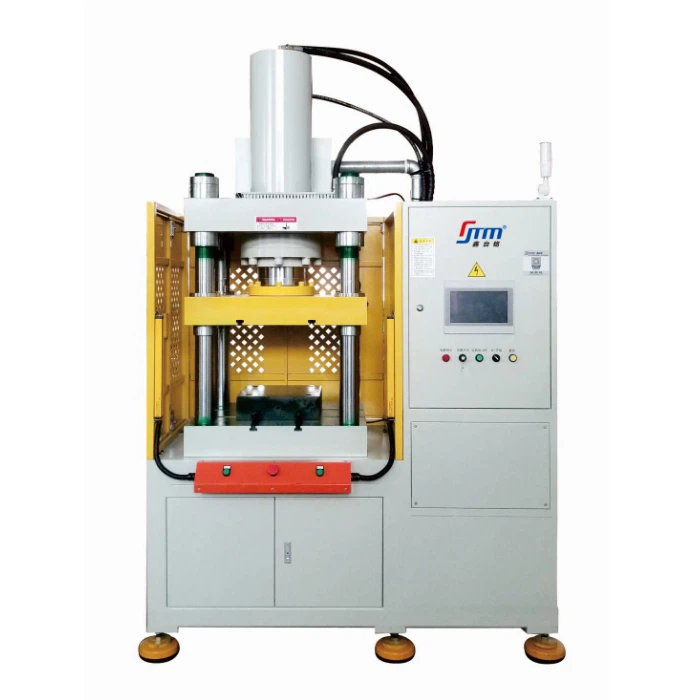
As a Hydraulic Servo Press supplier, we understand the importance of having a reliable pressure gauge in the press. That's why all our presses come with high - quality pressure gauges. Whether you're looking for a Servo Mechanical Press, a C Frame Electric Servo Press, or an H Frame Electric Servo Press, we've got you covered.
Our presses are designed to provide precise and consistent pressure, and the pressure gauges help in ensuring that. We also offer a range of maintenance and support services to keep your press running smoothly. If you're in the market for a Hydraulic Servo Press or need to upgrade your existing one, we'd love to have a chat with you. Contact us to discuss your specific requirements, and let's work together to find the perfect solution for your business.
References
- "Hydraulic Systems Handbook" by E. O. Doebelin
- "Industrial Press Technology" by John Smith
- "Servo Press Applications and Best Practices" by Industry Press Association