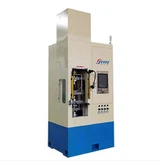
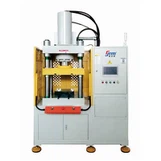
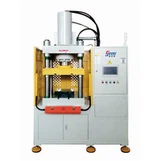
A small hydraulic press is a versatile and powerful tool used in various industries, from manufacturing and automotive to jewelry making and woodworking. However, like any mechanical device, it will eventually show signs of wear and tear over time. As a supplier of small hydraulic presses, I've encountered numerous customers facing issues with their equipment due to wear. In this blog post, I'll share some common signs that indicate your small hydraulic press may be worn out.
1. Decreased Pressing Force
One of the most obvious signs of a worn - out small hydraulic press is a decrease in pressing force. When you first purchased the press, it could easily handle a certain amount of pressure to perform tasks such as punching, bending, or forming. But as the press ages, you may notice that it struggles to achieve the same level of force.
This decrease in force can be caused by several factors. The hydraulic pump, which is responsible for generating the pressure, may be experiencing internal leakage. Over time, the seals and valves inside the pump can wear out, allowing hydraulic fluid to bypass the intended path and reducing the overall pressure output. Additionally, the hydraulic cylinder, which converts the fluid pressure into mechanical force, may also have worn seals. If the seals are damaged, fluid can leak past them, resulting in a loss of force.
If you find that your small hydraulic press is no longer able to perform tasks with the same efficiency as before, it's crucial to have it inspected. You can learn more about different types of hydraulic presses on our website, including the Hydraulic Line Press and Small Benchtop Hydraulic Press.
2. Unusual Noises
Another tell - tale sign of a worn - out small hydraulic press is the presence of unusual noises during operation. When the press is in good condition, it should operate relatively quietly. However, as components start to wear, you may hear strange sounds such as rattling, knocking, or whining.


Rattling noises could indicate loose components within the press. Over time, vibrations from normal operation can cause bolts and nuts to loosen. If left unattended, these loose parts can cause further damage to the press and may even pose a safety hazard.
A knocking sound may suggest that there is excessive wear in the mechanical components, such as the bearings or gears. As these parts wear, they can develop play, causing them to make contact with each other in an abnormal way.
Whining noises are often associated with problems in the hydraulic system. It could be a sign of a cavitating pump, which occurs when the pump is not getting enough fluid or when there is air in the hydraulic lines. Cavitation can cause damage to the pump and other components over time.
If you hear any unusual noises coming from your small hydraulic press, it's important to stop using it immediately and have it checked by a professional.
3. Fluid Leaks
Fluid leaks are a clear indication that something is wrong with your small hydraulic press. Hydraulic fluid is essential for the proper operation of the press, as it transfers the force from the pump to the cylinder. If there are leaks, not only will the press lose efficiency, but it can also lead to environmental and safety issues.
Leaks can occur in several places, including the hydraulic hoses, fittings, and seals. Over time, the hoses can become brittle and develop cracks, especially if they are exposed to high temperatures or harsh chemicals. Fittings can also loosen, allowing fluid to seep out. The seals, which are responsible for preventing fluid from leaking past moving parts, can wear out due to friction and age.
If you notice any signs of fluid leakage, such as puddles of hydraulic fluid under the press or wet spots on the hoses and components, it's important to address the issue promptly. Ignoring fluid leaks can lead to more serious problems, such as component failure and costly repairs.
4. Slow Operation
A worn - out small hydraulic press may also operate more slowly than usual. You may notice that the ram takes longer to extend or retract, or that the overall cycle time of the press has increased.
Slow operation can be caused by a variety of factors. As mentioned earlier, internal leakage in the hydraulic pump or cylinder can reduce the flow of fluid, resulting in slower movement. Clogged filters can also restrict the flow of hydraulic fluid, causing the press to operate sluggishly.
In addition, the hydraulic fluid itself may be a contributing factor. Over time, the fluid can break down and lose its viscosity. This can affect the performance of the hydraulic system and lead to slower operation.
If you experience slow operation with your small hydraulic press, it's recommended to check the fluid level and quality, as well as the condition of the filters. You may also want to consider having the hydraulic system inspected for internal leakage.
5. Inconsistent Pressing Results
When a small hydraulic press is in good working condition, it should produce consistent results. However, if the press is worn out, you may notice inconsistencies in the pressing operations. For example, the depth of a punch or the shape of a formed part may vary from one cycle to the next.
Inconsistent results can be caused by a combination of factors, including decreased pressing force, slow operation, and worn components. If the press is not applying the same amount of force each time, the end result will be inconsistent. Similarly, if the movement of the ram is not smooth and precise, it can affect the quality of the pressing operation.
If you are experiencing inconsistent pressing results, it's important to identify and address the root cause of the problem. This may involve replacing worn components, adjusting the hydraulic system, or performing maintenance on the press.
6. Excessive Heat
Excessive heat is another sign that your small hydraulic press may be worn out. The hydraulic system generates heat during normal operation, but if the press is overheating, it could indicate a problem.
Overheating can be caused by several factors. A clogged radiator or cooling system can prevent the hydraulic fluid from dissipating heat effectively. Internal leakage in the hydraulic pump or valves can also cause the fluid to heat up, as the energy from the leaking fluid is converted into heat. Additionally, using the press at a higher load or frequency than it is designed for can put extra stress on the system and lead to overheating.
If you notice that the press is getting unusually hot, it's important to stop using it and allow it to cool down. Check the cooling system and ensure that the hydraulic fluid level is correct. If the problem persists, it's advisable to have the press inspected by a professional.
Conclusion
As a supplier of small hydraulic presses, I understand the importance of keeping your equipment in good working condition. By being aware of the signs of a worn - out small hydraulic press, you can take proactive measures to address any issues before they become major problems.
If you suspect that your small hydraulic press is showing signs of wear, don't hesitate to contact us. Our team of experts can provide you with the necessary support and guidance to keep your press running smoothly. Whether you need replacement parts, maintenance services, or are looking to upgrade to a new model, such as the 4 Post Hydraulic Press, we're here to help.
We encourage you to reach out to us for more information and to discuss your specific needs. Our goal is to provide you with high - quality hydraulic presses and excellent customer service. Let's work together to ensure that your operations run efficiently and effectively.
References
- Manufacturer's manuals for small hydraulic presses
- Industry standards and guidelines for hydraulic equipment maintenance
- Technical articles on hydraulic system troubleshooting and repair