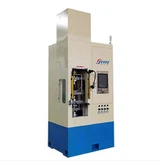
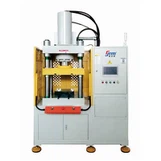
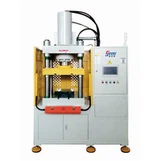
Hey there! As a supplier of hydraulic presses, I've seen firsthand how important it is to keep these machines clean. A well - maintained hydraulic press not only performs better but also has a longer lifespan. In this blog, I'll share some tips on how to clean a hydraulic press.
Why Cleaning Your Hydraulic Press Matters
Before we dive into the cleaning process, let's talk about why it's so crucial. Hydraulic presses operate under high pressure and rely on a complex system of fluids, cylinders, and valves. Over time, dirt, debris, and contaminants can accumulate in the machine. This build - up can lead to a variety of problems, such as reduced efficiency, increased wear and tear on components, and even system failures. By regularly cleaning your hydraulic press, you can prevent these issues and ensure that your machine runs smoothly for years to come.
Pre - Cleaning Preparations
First things first, safety should always be your top priority. Before you start cleaning your hydraulic press, make sure to power it down and disconnect it from the power source. This will prevent any accidental starts that could cause serious injury. You should also wear appropriate personal protective equipment (PPE), like gloves and safety glasses, to protect yourself from any chemicals or debris.
Next, gather all the necessary cleaning supplies. You'll need a mild detergent, clean rags or towels, a soft - bristled brush, and a container for collecting any dirty fluid. If your press has hydraulic hoses, you might also want to have some hose cleaner on hand.


Cleaning the Exterior
Let's start with the exterior of the hydraulic press. Use a clean, dry rag to wipe down the entire surface of the machine. This will remove any loose dirt and dust. If there are stubborn stains or grease marks, you can dampen the rag with a mild detergent solution. Be careful not to let the solution drip into any openings or vents on the press.
Pay special attention to the control panel and any switches. These areas can accumulate a lot of dirt and grime from frequent use. Use a soft - bristled brush to gently clean around the buttons and knobs. Then, wipe them down with a damp rag and dry them thoroughly.
Cleaning the Hydraulic System
The hydraulic system is the heart of the hydraulic press, so it's essential to keep it clean. The first step is to check the hydraulic fluid level. If it's low, you'll need to add more fluid before you start cleaning. Make sure to use the type of fluid recommended by the manufacturer.
To clean the hydraulic fluid, you can use a fluid filter or a centrifuge. A fluid filter will remove any solid particles from the fluid, while a centrifuge can separate the contaminants from the fluid more effectively. Follow the manufacturer's instructions when using these tools.
If your press has hydraulic hoses, you should also inspect them for any signs of damage or leaks. If you notice any issues, you'll need to replace the hoses. To clean the hoses, you can use a hose cleaner. Simply follow the instructions on the cleaner to remove any dirt and debris from the inside of the hoses.
Cleaning the Work Surface
The work surface of the hydraulic press is where most of the action happens, so it can get pretty dirty. Start by removing any workpieces or debris from the surface. Then, use a soft - bristled brush to sweep away any loose dirt or metal shavings.
For more stubborn stains, you can use a mild abrasive cleaner. Apply the cleaner to the surface and scrub it gently with the brush. Rinse the surface thoroughly with water and dry it with a clean rag.
Cleaning the Cylinders and Pistons
The cylinders and pistons are critical components of the hydraulic press. Over time, they can accumulate dirt and debris, which can affect their performance. To clean them, you'll need to disassemble the cylinders and pistons carefully. Make sure to follow the manufacturer's instructions when doing this.
Once you've removed the cylinders and pistons, use a clean rag to wipe them down. You can also use a mild detergent solution to remove any stubborn dirt. Rinse the components thoroughly with water and dry them completely before reassembling them.
Regular Maintenance Schedule
To keep your hydraulic press in top condition, it's important to establish a regular maintenance schedule. This should include daily, weekly, monthly, and annual cleaning and inspection tasks.
- Daily: Wipe down the exterior of the press and check for any obvious signs of damage or leaks.
- Weekly: Inspect the hydraulic fluid level and clean the work surface.
- Monthly: Clean the hydraulic system and check the hoses for damage.
- Annually: Disassemble and clean the cylinders and pistons, and have a professional perform a comprehensive inspection of the press.
Our Hydraulic Press Offerings
At our company, we offer a wide range of high - quality hydraulic presses. Whether you're looking for a 30 Tonne Hydraulic Press for light - duty applications or a 50 Ton Hydraulic Press for heavy - duty work, we've got you covered. We also have Precision Hydraulic Press that are perfect for applications that require high accuracy.
If you're in the market for a new hydraulic press or need help with the maintenance of your existing one, don't hesitate to get in touch. We're here to answer all your questions and help you find the right solution for your needs. Contact us today to start a discussion about your requirements and let's work together to get the best hydraulic press for your business.
References
- Manufacturer's manuals for hydraulic presses
- Industry best practices for hydraulic system maintenance
So, there you have it! By following these cleaning tips and establishing a regular maintenance schedule, you can keep your hydraulic press running smoothly and efficiently. If you have any questions or need more information, feel free to reach out. We're always happy to help.