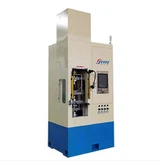
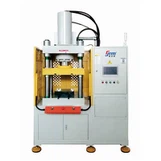
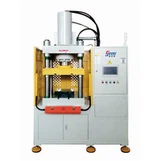
The capacity of a hand power press machine is a crucial factor that determines its functionality, versatility, and suitability for various applications. As a supplier of Hand Power Press Machine, I've encountered numerous inquiries about this very topic. In this blog, we'll delve deep into what the capacity of a hand power press machine entails, how it impacts your work, and what you should consider when choosing one.
Understanding the Basics of Hand Power Press Machine Capacity
The capacity of a hand power press machine is primarily defined by its maximum force output, typically measured in tons. This force is the amount of pressure the machine can exert on a workpiece during the pressing operation. For example, a 5 - ton hand power press can generate a maximum force equivalent to 5 tons, enabling it to perform tasks that require this level of pressure.
The force capacity is directly related to the design and construction of the press. Factors such as the size and strength of the frame, the quality of the mechanical components (like gears, levers, and rams), and the type of materials used all contribute to the overall force - generating ability of the machine. A well - built hand power press with a robust frame and high - quality components will be able to handle greater forces without deformation or failure.
Applications Based on Capacity
Light - Duty Applications (1 - 3 Tons)
Hand power presses with a capacity of 1 - 3 tons are suitable for light - duty tasks. These include tasks such as stamping small parts, riveting thin materials, and assembling delicate components. For instance, in the jewelry making industry, a 1 - ton hand power press can be used to stamp intricate designs on small metal pieces. In the electronics industry, it can be employed to rivet small connectors onto printed circuit boards.
Medium - Duty Applications (3 - 7 Tons)
Medium - capacity hand power presses (3 - 7 tons) have a wider range of applications. They can handle tasks like punching holes in thicker metal sheets, bending small metal bars, and pressing bearings into place. In the automotive repair industry, a 5 - ton hand power press can be used to press out and install bushings in suspension components. In the manufacturing of small tools, it can be used to shape and form metal parts.
Heavy - Duty Applications (7+ Tons)
Hand power presses with a capacity of 7 tons or more are designed for heavy - duty tasks. These may include pressing large - diameter bearings, forging small metal parts, and performing deep drawing operations on thick metal sheets. For example, in the construction equipment manufacturing industry, a 10 - ton hand power press can be used to press large - scale components into shape. Our Second Hand 10 Ton Power Press is a great option for those looking for a cost - effective solution for heavy - duty tasks.
Factors Affecting the Effective Capacity
While the rated capacity of a hand power press machine is an important specification, the effective capacity can be influenced by several factors.
Material Properties
The type and thickness of the material being pressed play a significant role. Harder materials, such as stainless steel, require more force to deform compared to softer materials like aluminum. Thicker materials also demand higher forces. For example, punching a hole in a 1/4 - inch thick steel plate will require more force than punching the same - sized hole in a 1/8 - inch thick plate.
Stroke Length
The stroke length of the press, which is the distance the ram travels during the pressing operation, can affect the capacity. A longer stroke may reduce the effective force at the end of the stroke, especially if the mechanical advantage of the press mechanism decreases with increased travel. Therefore, it's important to consider the required stroke length for your specific application and ensure that the press can maintain sufficient force throughout the stroke.
Operating Speed
The speed at which the press is operated can also impact its capacity. Rapid or jerky operation may not allow the press to build up and maintain the maximum force effectively. A smooth, controlled operation is generally recommended to achieve the best results and make full use of the press's capacity.
Choosing the Right Capacity
When selecting a hand power press machine, it's essential to choose the right capacity for your needs. Here are some steps to guide you:
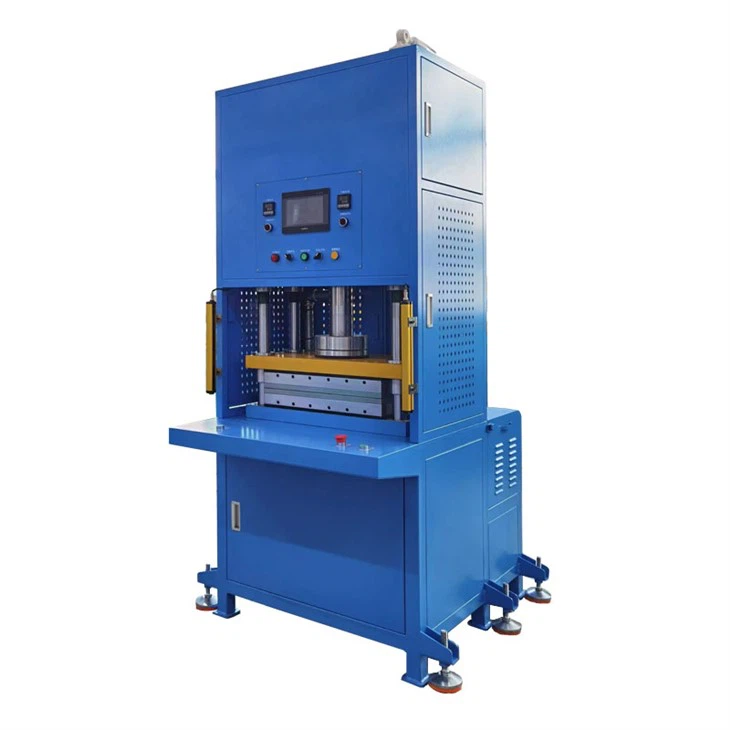

Analyze Your Tasks
First, list all the tasks you need to perform with the press. Determine the type of materials, their thickness, and the specific operations involved (such as stamping, punching, or bending). Based on this analysis, estimate the force requirements for each task.
Consider Future Expansion
Think about your future needs. If you plan to expand your operations or take on more challenging tasks in the future, it may be wise to choose a press with a slightly higher capacity than your current requirements. This will provide some flexibility and ensure that the press can grow with your business.
Budget Constraints
Your budget is also an important consideration. Higher - capacity hand power presses generally come with a higher price tag. However, you can also explore options like Power Press Second Hand to get a cost - effective solution. Just make sure to thoroughly inspect the used press to ensure its quality and performance.
Maintenance to Preserve Capacity
Proper maintenance is crucial to ensure that your hand power press machine maintains its rated capacity over time. Regularly lubricate the moving parts to reduce friction and wear. Check the alignment of the ram and other components to prevent uneven loading, which can lead to premature failure and a reduction in capacity. Inspect the frame and other structural components for any signs of damage or deformation, and repair or replace them as needed.
Conclusion
The capacity of a hand power press machine is a multi - faceted concept that is influenced by various factors and has a direct impact on its performance and suitability for different applications. As a supplier, I understand the importance of choosing the right capacity for your specific needs. Whether you're a small - scale workshop or a large - scale manufacturing facility, there's a hand power press with the appropriate capacity for you.
If you're interested in purchasing a hand power press machine or have any questions about capacity and application, I encourage you to reach out for a detailed discussion. We're here to help you make the best choice for your business.
References
- Machinery's Handbook, 31st Edition
- Manufacturing Engineering and Technology, 6th Edition by Serope Kalpakjian and Steven Schmid