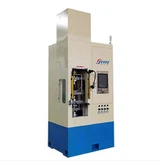
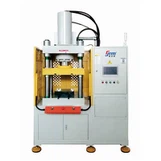
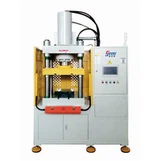
Pressure pulsation in a precision hydraulic press is a critical issue that can significantly impact the performance, accuracy, and longevity of the equipment. As a leading supplier of precision hydraulic presses, including the 4 Post Hydraulic Press, Four Column Three Beam Hydraulic Press, and C Frame Press, we understand the importance of addressing this problem. In this blog, we will delve into what pressure pulsation is, its causes, and effective strategies to reduce it.
What is Pressure Pulsation in a Precision Hydraulic Press?
Pressure pulsation refers to the rapid and repetitive changes in pressure within the hydraulic system of a precision hydraulic press. These fluctuations can range from minor variations to severe spikes, and they can occur at regular or irregular intervals. Pressure pulsation is a common phenomenon in hydraulic systems, but it can be particularly problematic in precision applications where even small pressure variations can lead to inaccurate operations, excessive wear and tear on components, and potential product defects.
Causes of Pressure Pulsation
Pump-related Causes
- Pump Design: Some pumps, such as gear pumps and vane pumps, inherently generate pressure pulsations due to their design. The meshing of gears or the movement of vanes can cause sudden changes in the volume of the hydraulic fluid being displaced, resulting in pressure fluctuations.
- Pump Cavitation: Cavitation occurs when the pressure in the hydraulic fluid drops below its vapor pressure, causing the formation of vapor bubbles. When these bubbles collapse, they create shockwaves that can lead to significant pressure pulsations. Cavitation can be caused by a variety of factors, including low fluid levels, clogged filters, or high pump speeds.
- Pump Wear and Tear: Over time, the internal components of a pump can wear out, leading to increased clearances between moving parts. This can cause the pump to become less efficient and generate more pressure pulsations.
System-related Causes
- Flow Restrictions: Any constrictions or blockages in the hydraulic system, such as valves, hoses, or fittings, can cause pressure pulsations. These restrictions can disrupt the smooth flow of the hydraulic fluid, leading to sudden changes in pressure.
- Fluid Compressibility: Hydraulic fluids are compressible to some extent, and this compressibility can contribute to pressure pulsations. When the fluid is compressed and then released, it can create pressure waves that propagate through the system.
- Resonance: If the natural frequency of the hydraulic system matches the frequency of the pressure pulsations generated by the pump, resonance can occur. Resonance can amplify the pressure pulsations, leading to severe vibrations and potential damage to the system.
Load-related Causes
- Variable Loads: When the load on the hydraulic press changes rapidly or unpredictably, it can cause pressure pulsations. For example, if the press is used to form or shape materials with varying thicknesses or hardness, the hydraulic system may need to adjust the pressure quickly, leading to pressure fluctuations.
- Impact Loads: Impact loads, such as those generated when the press ram strikes the workpiece, can also cause pressure pulsations. These loads can create sudden pressure spikes that can be difficult for the hydraulic system to handle.
Effects of Pressure Pulsation
Reduced Precision and Accuracy
Pressure pulsations can cause the press ram to move erratically, leading to inaccurate operations and inconsistent product quality. For example, in precision machining applications, even small pressure variations can result in dimensional errors or surface finish defects.
Increased Wear and Tear
The vibrations and shockwaves caused by pressure pulsations can accelerate the wear and tear of hydraulic components, such as pumps, valves, hoses, and seals. This can lead to increased maintenance costs, reduced component lifespan, and potential system failures.
Noise and Vibration
Pressure pulsations can generate significant noise and vibration, which can be a nuisance for operators and may also indicate potential problems with the hydraulic system. Excessive noise and vibration can also be a sign of impending component failure.


Product Defects
In applications where the hydraulic press is used to manufacture products, pressure pulsations can cause product defects. For example, in the production of plastic parts, pressure fluctuations can lead to uneven filling, sink marks, or warping.
Strategies to Reduce Pressure Pulsation
Pump Selection and Design
- Choose Low-Pulsation Pumps: When selecting a pump for the hydraulic press, consider pumps that are designed to minimize pressure pulsations. For example, some modern pumps use advanced design features, such as helical gears or balanced vane designs, to reduce pulsations.
- Proper Pump Sizing: Ensure that the pump is properly sized for the application. An oversized pump can operate at low loads, which can increase the risk of cavitation and pressure pulsations. On the other hand, an undersized pump may not be able to provide the required pressure and flow, leading to inefficient operation and potential pressure fluctuations.
System Design and Installation
- Use Dampening Devices: Install dampening devices, such as accumulators, in the hydraulic system to absorb and dampen pressure pulsations. Accumulators can store hydraulic energy and release it when needed, helping to smooth out the pressure fluctuations.
- Minimize Flow Restrictions: Ensure that the hydraulic system is designed with smooth and unrestricted flow paths. Use oversized hoses and fittings, and avoid sharp bends or sudden changes in diameter.
- Proper Hosing and Tubing Installation: Install hoses and tubing in a way that minimizes vibrations and stress. Use flexible hoses where possible, and secure them properly to prevent movement or rubbing.
Fluid Management
- Maintain Proper Fluid Levels: Check the fluid levels regularly and ensure that the hydraulic reservoir is filled to the recommended level. Low fluid levels can cause cavitation and increase the risk of pressure pulsations.
- Use High-Quality Fluid: Use a high-quality hydraulic fluid that is compatible with the components of the system. The fluid should have good anti-wear and anti-foam properties to reduce the risk of component wear and pressure pulsations.
- Regular Fluid Maintenance: Perform regular fluid maintenance, including filtering and changing the fluid at the recommended intervals. Contaminated or degraded fluid can increase the risk of cavitation and pressure pulsations.
Load Management
- Smooth Load Changes: Whenever possible, design the hydraulic press to operate with smooth and gradual load changes. This can help to reduce the pressure fluctuations caused by variable loads.
- Shock Absorption: Install shock absorbers or other damping devices to absorb the impact loads generated by the press ram. This can help to reduce the pressure spikes caused by impact loads.
Importance of Addressing Pressure Pulsation in Precision Hydraulic Presses
As a supplier of precision hydraulic presses, we understand the importance of providing our customers with reliable and high-performance equipment. Addressing pressure pulsation is crucial for ensuring the precision, accuracy, and longevity of our hydraulic presses. By reducing pressure pulsations, we can help our customers improve product quality, reduce maintenance costs, and increase the overall efficiency of their operations.
Contact Us for More Information
If you are interested in learning more about pressure pulsation in precision hydraulic presses or would like to discuss your specific application requirements, please contact us. Our team of experts is available to provide you with detailed information and assistance. We can help you select the right hydraulic press for your needs, and we can also offer solutions to reduce pressure pulsation and optimize the performance of your system.
References
- Fluid Power Handbook, edited by E. A. Avallone and T. Baumeister III.
- Hydraulic Systems and Components, by Les Curtis.
- Precision Hydraulic Press Technology, by Hui Yang.