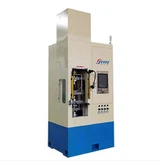
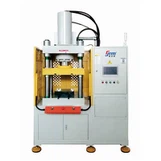
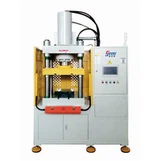
As a supplier of Hydraulic Line Press, I've seen my fair share of these machines go through their paces. Hydraulic line presses are workhorses in many industries, used for crimping hydraulic hoses and fittings. But like any piece of equipment, they can run into problems over time. Knowing the signs that a hydraulic line press needs repair can save you a lot of headaches and downtime. Here are some key indicators to watch out for.
Unusual Noises
One of the first signs that something's up with your hydraulic line press is when it starts making strange noises. You're used to the normal hum or whir of the machine as it goes about its business. But if you start hearing clunking, grinding, or screeching sounds, that's a red flag.
Clunking noises could mean there's loose hardware inside the press. Maybe a bolt has come loose or a part is vibrating against something it shouldn't be. Grinding sounds are often a sign of wear and tear on moving parts. For example, if the gears in the press are starting to wear down, they'll make a grinding noise as they mesh together. Screeching can be caused by a variety of things, like a belt that's slipping or a bearing that's failing.
If you hear any of these unusual noises, it's important to shut down the press right away. Continuing to run it could cause further damage and lead to more expensive repairs. Check out our Hydraulic Hose Press for high - quality and reliable options that are less likely to give you these kinds of issues.
Leaking Hydraulic Fluid
Hydraulic fluid is the lifeblood of a hydraulic line press. It's what allows the press to generate the force needed to crimp hoses and fittings. So, if you notice hydraulic fluid leaking from the press, it's a big problem.
You might see fluid pooling on the floor beneath the press or dripping from the sides. Leaks can occur at various points, such as the hoses, connections, or seals. A small leak might not seem like a huge deal at first, but over time, it can lead to a loss of hydraulic pressure. This will affect the performance of the press and could cause it to produce inconsistent crimps.
If you find a leak, you need to identify the source. Sometimes, it could be as simple as tightening a loose connection. Other times, you might need to replace a damaged hose or seal. Don't ignore a leak, as it can also be a safety hazard. Our Small Electric Hydraulic Press models are designed with high - quality seals and connections to minimize the risk of leaks.
Inconsistent Crimping
The whole point of a hydraulic line press is to create a reliable and consistent crimp on hydraulic hoses and fittings. If you start noticing that the crimps are inconsistent, it's a sign that the press needs attention.
Inconsistent crimps can manifest in different ways. The crimp might be too loose, which means the hose could come off the fitting during use. This is extremely dangerous, especially in high - pressure hydraulic systems. On the other hand, the crimp could be too tight, which can damage the hose and reduce its lifespan.
There are several reasons why a press might produce inconsistent crimps. It could be due to wear and tear on the crimping dies, a problem with the hydraulic pressure regulation, or a misalignment of the press components. You'll need to inspect the dies for any signs of damage or wear and make sure the pressure settings are correct. If you're having trouble with inconsistent crimping, our C Frame Press offers precise control and high - quality crimping results.


Slow Operation
A hydraulic line press should operate at a relatively consistent speed. If you notice that it's taking longer to complete a crimp cycle than it used to, that's a sign of a problem.
Slow operation can be caused by a few things. One common culprit is a clogged hydraulic filter. Over time, dirt and debris can build up in the filter, restricting the flow of hydraulic fluid. This reduces the efficiency of the press and makes it operate more slowly. Another possibility is a failing hydraulic pump. If the pump isn't generating enough pressure, the press will take longer to reach the required force for crimping.
You can try replacing the hydraulic filter to see if that solves the problem. If the press is still operating slowly after that, it's likely that there's an issue with the pump or other hydraulic components.
Overheating
Just like any machine, a hydraulic line press can overheat if it's working too hard or if there's a problem with its cooling system. Overheating is a serious issue because it can damage the hydraulic fluid and the internal components of the press.
You might notice that the press feels hot to the touch or that the hydraulic fluid temperature gauge is reading higher than normal. Overheating can be caused by things like a malfunctioning cooling fan, a blocked radiator, or excessive use without proper breaks.
If you detect overheating, stop using the press immediately. Let it cool down and then check the cooling system. Make sure the fan is working properly and that there are no blockages in the radiator. If the problem persists, it could be a sign of a more serious internal issue.
Erratic Movement
The moving parts of a hydraulic line press should move smoothly and predictably. If you notice that the ram or other components are moving erratically, such as jerking or hesitating, it's a sign of trouble.
Erratic movement can be caused by air in the hydraulic system. Air bubbles can disrupt the flow of hydraulic fluid and cause inconsistent pressure. It can also be due to a problem with the control valves or the hydraulic cylinders.
To fix air in the system, you'll need to bleed the hydraulic lines. If the problem is with the control valves or cylinders, you might need to have them inspected and repaired by a professional.
Loss of Power
If your hydraulic line press suddenly loses power or isn't generating the same amount of force as it used to, it's a clear indication that something is wrong.
This could be due to a problem with the power supply, such as a blown fuse or a malfunctioning electrical component. It could also be related to the hydraulic system, like a leak or a failing pump.
Check the power source first to make sure everything is connected properly and that there are no obvious electrical issues. If the power supply is fine, then you'll need to look into the hydraulic system to find the root cause of the power loss.
Excessive Vibration
A hydraulic line press should operate with minimal vibration. If you notice that the press is vibrating more than usual, it can be a sign of misalignment or a problem with the internal components.
Excessive vibration can cause premature wear and tear on the press and can also affect the quality of the crimps. It can be caused by loose parts, unbalanced components, or a problem with the mounting of the press.
Inspect the press for any loose bolts or parts and make sure it's properly aligned and mounted. If the vibration persists, it might be necessary to have a professional technician take a look.
In conclusion, keeping an eye out for these signs can help you catch problems with your hydraulic line press early. As a supplier, we're committed to providing high - quality hydraulic line presses and the support you need to keep them running smoothly. If you're experiencing any of these issues or are in the market for a new press, don't hesitate to reach out for a consultation. We can help you find the right solution for your needs and ensure that your operations run without a hitch.
References
- Industry standards and best practices for hydraulic equipment maintenance
- Manufacturer's manuals for hydraulic line presses