In the industrial realm, hydraulic presses stand as indispensable workhorses, powering a wide range of manufacturing and processing operations. As a seasoned hydraulic press supplier, I've witnessed firsthand the pivotal role these machines play in various industries. However, like any complex machinery, hydraulic presses are prone to wear and tear over time, which can lead to operational inefficiencies and potential breakdowns. Recognizing the signs that a hydraulic press needs repair is crucial for maintaining productivity, ensuring safety, and preventing costly downtime. In this blog post, I'll share some key indicators that your hydraulic press may be in need of attention.
Unusual Noises
One of the most obvious signs that something is amiss with a hydraulic press is the presence of unusual noises. Hydraulic presses typically operate with a relatively consistent and smooth hum. However, if you start to hear grinding, knocking, hissing, or other abnormal sounds, it could indicate a problem. Grinding noises may suggest worn-out gears or bearings, while knocking sounds could be a sign of loose components or misalignment. Hissing noises often point to hydraulic fluid leaks, which can lead to a loss of pressure and reduced performance. If you notice any unusual noises coming from your hydraulic press, it's important to shut down the machine immediately and have it inspected by a qualified technician.
Leaking Hydraulic Fluid
Hydraulic fluid is the lifeblood of a hydraulic press, providing the necessary force to operate the machine. Any signs of hydraulic fluid leakage should be taken seriously, as it can not only lead to a loss of performance but also pose a safety hazard. Leaks can occur at various points in the hydraulic system, including hoses, fittings, seals, and cylinders. Look for signs of fluid pooling around the base of the press, dripping from hoses or connections, or a noticeable decrease in the fluid level in the reservoir. If you detect a leak, it's essential to identify the source and repair it as soon as possible to prevent further damage.
Decreased Pressure or Force
A hydraulic press relies on hydraulic pressure to generate the force needed to perform its intended tasks. If you notice a significant decrease in the pressure or force output of your press, it could be a sign of a problem. This could be due to a variety of factors, such as a worn-out pump, a clogged filter, a leak in the hydraulic system, or a malfunctioning valve. A decrease in pressure or force can result in incomplete or inaccurate pressing operations, which can affect the quality of your products and increase production costs. If you suspect a decrease in pressure or force, it's important to have the hydraulic system tested and calibrated by a professional.

Slow or Erratic Operation
Another sign that a hydraulic press may need repair is slow or erratic operation. If the press takes longer than usual to cycle or if the movement of the ram is jerky or uneven, it could indicate a problem with the hydraulic system. This could be caused by a variety of issues, such as a worn-out pump, a clogged filter, a leak in the hydraulic system, or a malfunctioning valve. Slow or erratic operation can not only reduce productivity but also increase the risk of damage to the press and the products being processed. If you notice any changes in the operation of your hydraulic press, it's important to have it inspected and repaired promptly.
Overheating
Hydraulic presses generate a significant amount of heat during operation, and it's normal for the machine to become warm. However, if the press is overheating, it could be a sign of a problem. Overheating can be caused by a variety of factors, such as a malfunctioning cooling system, a clogged radiator, a leak in the hydraulic system, or excessive workload. Overheating can not only damage the hydraulic components but also reduce the lifespan of the press. If you notice that the press is running hotter than usual or if you see signs of overheating, such as smoke or a burning smell, it's important to shut down the machine immediately and have it inspected by a qualified technician.
Excessive Vibration
Excessive vibration is another sign that a hydraulic press may need repair. While some vibration is normal during operation, excessive vibration can indicate a problem with the machine's alignment, balance, or structural integrity. Excessive vibration can not only cause damage to the press and the products being processed but also pose a safety hazard. If you notice excessive vibration coming from your hydraulic press, it's important to have it inspected and repaired as soon as possible.
Visual Inspection
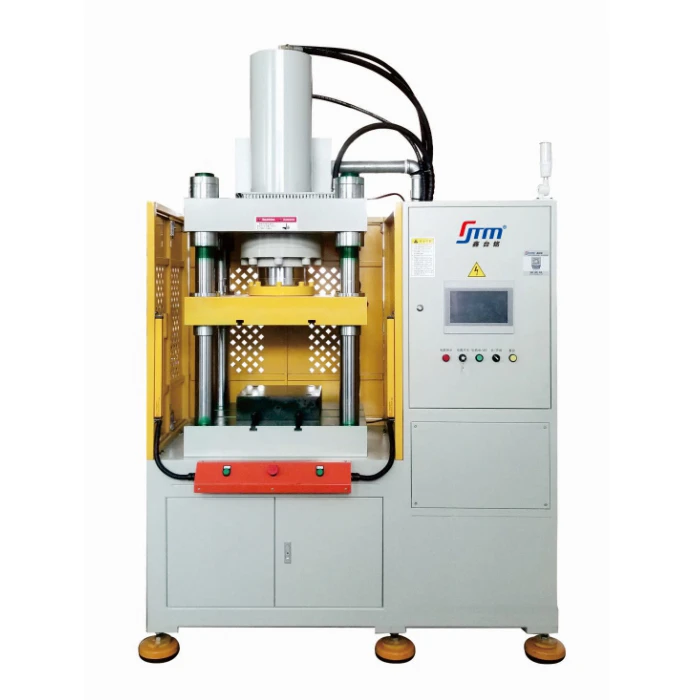
In addition to the above signs, a visual inspection of the hydraulic press can also reveal potential problems. Look for signs of wear and tear, such as cracks, dents, or corrosion on the frame, cylinders, and other components. Check the hoses and fittings for signs of damage or leaks, and make sure they are properly tightened. Inspect the hydraulic fluid for any signs of contamination, such as dirt, debris, or water. A visual inspection can help you identify potential problems early on and prevent them from escalating into more serious issues.
Conclusion
As a hydraulic press supplier, I understand the importance of keeping your equipment in top condition. By recognizing the signs that a hydraulic press needs repair, you can take proactive measures to prevent costly downtime and ensure the safety and productivity of your operations. If you notice any of the signs mentioned above, it's important to have your press inspected and repaired by a qualified technician. At [Company Name], we offer a comprehensive range of hydraulic press repair and maintenance services to help you keep your equipment running smoothly. Whether you need a simple repair or a complete overhaul, our team of experienced technicians is here to help.
If you're in the market for a new hydraulic press or need to replace an existing one, we offer a wide selection of high-quality hydraulic presses to meet your specific needs. Our product range includes Hydraulic Baling Press Machine, Hydraulic Press with Foot Pedal, and 50 Ton Press Cylinder. We also offer custom-designed hydraulic presses to meet your unique requirements.
If you have any questions or would like to learn more about our products and services, please don't hesitate to contact us. We're here to help you find the right hydraulic press solution for your business.
References
- "Hydraulic Press Maintenance and Troubleshooting Guide." Industrial Press Handbook.
- "Hydraulic Systems: Principles, Maintenance, and Troubleshooting." Fluid Power Journal.
- "The Basics of Hydraulic Presses." Manufacturing Technology Today.