As a seasoned supplier of hand press machines, I've witnessed firsthand the diverse range of materials these remarkable tools can process. Hand press machines are versatile pieces of equipment that have found their place in various industries, from small-scale workshops to large manufacturing plants. In this blog post, I'll delve into the different materials that hand press machines can effectively handle, shedding light on their capabilities and applications.
Metals
One of the most common materials processed by hand press machines is metal. Metals offer a wide range of properties, including strength, durability, and conductivity, making them suitable for a vast array of applications. Hand press machines can work with various metals, such as aluminum, steel, copper, and brass.
Aluminum
Aluminum is a lightweight and corrosion-resistant metal that is widely used in industries such as aerospace, automotive, and construction. Hand press machines can be used to shape aluminum sheets into various forms, including boxes, enclosures, and brackets. The relatively low density of aluminum makes it easier to process compared to other metals, reducing the force required for pressing operations.
Steel
Steel is a strong and durable metal that is commonly used in the manufacturing of machinery, tools, and structural components. Hand press machines can be used to cut, bend, and form steel sheets and bars. Depending on the type of steel and the thickness of the material, different types of dies and tooling may be required to achieve the desired results. For example, high-strength steel may require more powerful hand press machines and specialized dies to ensure accurate and efficient processing.
Copper and Brass
Copper and brass are known for their excellent electrical conductivity and corrosion resistance. These metals are commonly used in the electrical and plumbing industries. Hand press machines can be used to create copper and brass components, such as terminals, connectors, and fittings. The malleability of copper and brass allows for easy shaping and forming, making them ideal materials for hand press machine operations.
Plastics
Plastics have become increasingly popular in various industries due to their lightweight, cost-effective, and customizable nature. Hand press machines can process a wide range of plastics, including thermoplastics and thermosetting plastics.
Thermoplastics
Thermoplastics are plastics that can be melted and re-molded multiple times. Examples of thermoplastics include polyethylene, polypropylene, and polyvinyl chloride (PVC). Hand press machines can be used to shape thermoplastic sheets into various products, such as containers, trays, and packaging materials. The process typically involves heating the plastic sheet to a specific temperature and then using the hand press machine to apply pressure and form the desired shape.
Thermosetting Plastics
Thermosetting plastics are plastics that undergo a chemical change when heated and cannot be re-melted or re-shaped. Examples of thermosetting plastics include epoxy, phenolic, and melamine. Hand press machines can be used to mold thermosetting plastics into complex shapes by applying heat and pressure in a controlled environment. This process is often used in the production of electrical insulators, automotive parts, and consumer goods.
Wood
Wood is a natural and renewable material that has been used for centuries in construction, furniture making, and crafts. Hand press machines can be used to process wood in various ways, including cutting, shaping, and joining.
Cutting and Shaping
Hand press machines can be equipped with saw blades or routers to cut and shape wood into different sizes and shapes. This is useful for creating custom furniture pieces, cabinetry, and decorative items. The precision and control offered by hand press machines allow for accurate cuts and smooth finishes, ensuring high-quality results.

Joining
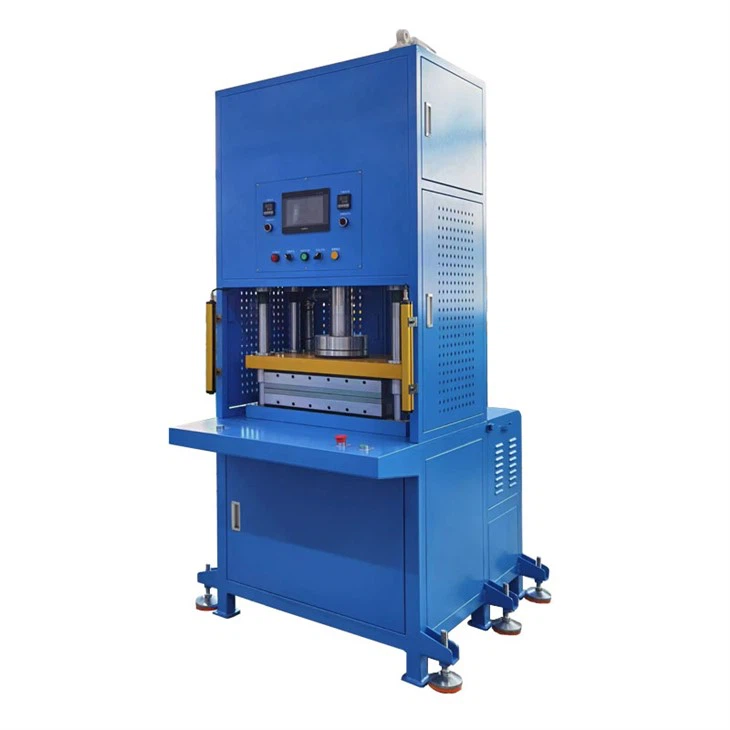
Hand press machines can also be used to join wood pieces together using various methods, such as gluing, doweling, and mortise and tenon joints. By applying pressure to the wood pieces, the hand press machine helps to ensure a strong and secure bond. This is essential for creating sturdy and durable wooden structures.
Composites
Composites are materials made by combining two or more different materials to create a new material with enhanced properties. Hand press machines can be used to process composite materials, such as fiberglass, carbon fiber, and Kevlar.
Fiberglass
Fiberglass is a composite material made of glass fibers embedded in a resin matrix. It is known for its high strength, lightweight, and corrosion resistance. Hand press machines can be used to mold fiberglass into various shapes, such as boat hulls, automotive parts, and sporting equipment. The process typically involves laying up the fiberglass fabric and resin layers and then using the hand press machine to apply pressure and cure the composite.
Carbon Fiber
Carbon fiber is a high-strength and lightweight composite material made of carbon fibers embedded in a resin matrix. It is commonly used in the aerospace, automotive, and sports industries. Hand press machines can be used to shape carbon fiber sheets into complex parts, such as aircraft wings, racing car bodies, and bicycle frames. The high strength and stiffness of carbon fiber require precise control and powerful hand press machines to ensure accurate processing.
Kevlar
Kevlar is a synthetic fiber known for its high strength and heat resistance. It is commonly used in the production of body armor, protective clothing, and aerospace components. Hand press machines can be used to process Kevlar sheets and fabrics, creating custom-shaped parts and products. The unique properties of Kevlar require specialized tooling and techniques to ensure efficient and effective processing.
Conclusion
In conclusion, hand press machines are incredibly versatile tools that can process a wide range of materials, including metals, plastics, wood, and composites. The ability to work with different materials makes hand press machines suitable for various industries and applications. Whether you're a small business owner looking to produce custom parts or a large manufacturer in need of efficient processing equipment, hand press machines offer a cost-effective and reliable solution.
If you're interested in learning more about our hand press machines or have specific requirements for your material processing needs, I encourage you to visit our website. We offer a wide range of Hand Power Press Machine options, as well as Power Press Machine Second Hand and Power Press Second Hand models to suit different budgets and production volumes. Our team of experts is ready to assist you in finding the right hand press machine for your business. Contact us today to start the procurement process and take your material processing capabilities to the next level.
References
- "Metalworking Handbook" by ASM International
- "Plastics Processing Technology" by Hanser Publishers
- "Woodworking Basics" by Taunton Press
- "Composite Materials: Design and Applications" by CRC Press