Hey there! As a supplier of Electric Over Hydraulic Presses, I've got a ton of experience with these machines. One question that often pops up is about the vibration characteristics of an electric over hydraulic press. So, let's dive right in and explore this topic.
Understanding the Basics of Electric Over Hydraulic Presses
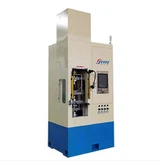
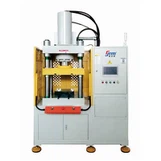
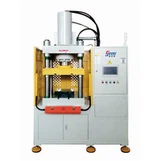
First off, let's have a quick refresher on what an electric over hydraulic press is. It combines the power of electricity and hydraulics to generate a high amount of force. The electric motor drives a hydraulic pump, which then pressurizes the hydraulic fluid. This pressurized fluid is used to move the ram, which is what applies the force to the workpiece.
These presses are used in a wide range of industries, from manufacturing and metalworking to automotive and aerospace. They're great for tasks like stamping, bending, punching, and molding. And that's where the vibration characteristics come in.
Vibration Sources in Electric Over Hydraulic Presses
There are several sources of vibration in an electric over hydraulic press. The first one is the electric motor. When the motor runs, it generates vibrations due to the rotation of its components. These vibrations can be transferred to the rest of the press through the motor mounts and the frame.
The hydraulic pump is another major source of vibration. As the pump pressurizes the hydraulic fluid, it creates pulsations in the fluid flow. These pulsations can cause the pump and the connected pipes to vibrate. The valves in the hydraulic system can also generate vibrations when they open and close.
The operation of the press itself can also cause vibrations. When the ram moves up and down, it creates an impact force on the workpiece. This impact force can cause the press to vibrate, especially if the workpiece is hard or if the press is operating at a high speed.
Effects of Vibration on Electric Over Hydraulic Presses
Vibration can have several effects on an electric over hydraulic press. First of all, it can reduce the accuracy of the press. If the press is vibrating too much, it can cause the ram to move slightly off its intended path. This can result in parts that are not machined to the correct dimensions, which can be a big problem in industries where precision is crucial.
Vibration can also cause wear and tear on the press components. The constant shaking can loosen the bolts and nuts that hold the press together, and it can also cause the seals in the hydraulic system to fail. Over time, this can lead to leaks and other mechanical problems, which can increase the maintenance costs of the press.
In addition, vibration can be a safety hazard. If the press is vibrating excessively, it can make the operator uncomfortable and can even cause fatigue. In extreme cases, the vibration can cause the press to become unstable, which can pose a risk of injury to the operator.
Controlling Vibration in Electric Over Hydraulic Presses
Now that we know the sources and effects of vibration, let's talk about how to control it. One of the most effective ways to reduce vibration is to use vibration isolation mounts. These mounts are designed to absorb the vibrations generated by the motor and the pump, and they can significantly reduce the amount of vibration that is transferred to the press frame.


Another way to control vibration is to balance the rotating components of the motor and the pump. By ensuring that the components are balanced, we can reduce the amount of vibration that they generate. This can be done through precision machining and dynamic balancing techniques.
Proper maintenance of the press is also crucial for vibration control. Regularly checking and tightening the bolts and nuts, replacing the worn-out seals, and lubricating the moving parts can all help to reduce vibration. In addition, using high-quality hydraulic fluid can also help to reduce the pulsations in the fluid flow, which can in turn reduce the vibration.
Comparing with Other Types of Presses
When it comes to vibration characteristics, electric over hydraulic presses have some advantages over other types of presses. For example, compared to Air Operated Hydraulic Press, electric over hydraulic presses generally have less vibration. Air operated presses rely on compressed air to operate, and the sudden release of air can cause more significant vibrations.
Stamping Presses are another type of press that is commonly used in the industry. While stamping presses can generate a lot of force, they also tend to produce more vibration due to the high-speed impact of the stamping operation. Electric over hydraulic presses, on the other hand, can provide a more controlled and smooth operation, which results in less vibration.
Our 20 Ton Benchtop Press is a great example of an electric over hydraulic press with excellent vibration characteristics. It is designed to be compact and stable, and it uses advanced vibration isolation techniques to minimize the vibration. This makes it ideal for small-scale manufacturing and precision machining applications.
Conclusion and Call to Action
In conclusion, understanding the vibration characteristics of an electric over hydraulic press is essential for ensuring its proper operation and longevity. By knowing the sources of vibration, its effects, and how to control it, we can make the most of these powerful machines.
If you're in the market for an electric over hydraulic press, or if you have any questions about the vibration characteristics or other aspects of these presses, don't hesitate to reach out. We're here to help you find the perfect press for your needs. Whether you're a small business looking for a benchtop press or a large corporation in need of a heavy-duty industrial press, we've got you covered. Contact us today to start the procurement process and let's work together to take your manufacturing operations to the next level.
References
- Smith, J. (2020). Hydraulic Press Handbook. Industrial Press Publishing.
- Johnson, A. (2019). Vibration Analysis in Manufacturing Equipment. Mechanical Engineering Journal.
- Brown, C. (2018). Electric Motor Design and Vibration Control. Electrical Engineering Magazine.