Hey there! As a supplier of Hydraulic Line Presses, I often get asked about the compatibility of these presses with different types of hydraulic fluids. It's a crucial topic, as using the right fluid can significantly impact the performance and lifespan of your hydraulic equipment. So, let's dive right in and explore this issue in detail.
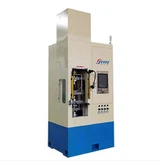
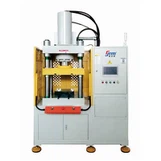
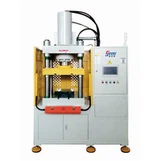
First off, let's understand what a hydraulic line press is. It's a powerful tool used in various industries to connect hydraulic hoses and fittings. Whether you're in the construction, automotive, or manufacturing sector, a reliable hydraulic line press is a must-have. We offer a range of high - quality presses, like the Small Electric Hydraulic Press, which is great for smaller jobs and tight spaces, and the 50 Ton Press and 50 Ton Hydraulic Press, designed for heavy - duty applications.
Now, onto the main topic: hydraulic fluids. There are several types of hydraulic fluids out there, and each has its own set of properties and characteristics. The most common types include mineral oil - based fluids, synthetic fluids, and water - based fluids.
Mineral oil - based hydraulic fluids are the most widely used. They're cost - effective, have good lubricating properties, and offer excellent resistance to oxidation. Most of our hydraulic line presses are fully compatible with mineral oil - based fluids. These fluids work well in a wide range of temperatures, making them suitable for both indoor and outdoor applications. However, they do have some drawbacks. Mineral oil is flammable, which can be a safety concern in certain environments. Also, they may not perform as well in extreme cold or hot conditions.
Synthetic hydraulic fluids, on the other hand, are designed to offer superior performance in challenging conditions. They have a higher viscosity index, which means they maintain their viscosity better over a wide temperature range. Synthetic fluids are also more resistant to oxidation and wear, which can extend the life of your hydraulic components. Our presses can handle many types of synthetic fluids, but it's always a good idea to check the manufacturer's specifications. Some synthetic fluids are more expensive than mineral oil - based ones, but the long - term benefits in terms of performance and equipment longevity can make them a worthwhile investment.
Water - based hydraulic fluids are another option. They're non - flammable, which makes them a great choice for applications where fire safety is a major concern, such as in mines or near welding operations. Water - based fluids also have good cooling properties. However, they have lower lubricating properties compared to mineral oil or synthetic fluids. This means that if you're using a water - based fluid, you may need to pay extra attention to the lubrication of your hydraulic components. Our presses can be used with water - based fluids, but you may need to make some adjustments to ensure optimal performance.
When it comes to compatibility, there are a few factors to consider. One of the most important is the viscosity of the fluid. Viscosity is a measure of a fluid's resistance to flow. If the viscosity of the hydraulic fluid is too high, it can cause excessive pressure in the system, leading to increased wear and tear on the pump and other components. On the other hand, if the viscosity is too low, the fluid may not provide adequate lubrication, which can also damage the components.
Another factor is the chemical compatibility between the fluid and the materials used in the hydraulic system. Some fluids may react with certain metals or seals, causing corrosion or degradation. For example, some synthetic fluids may not be compatible with natural rubber seals. Before using a new type of hydraulic fluid in your press, it's essential to check the compatibility with the seals, hoses, and other components in the system.
The operating temperature is also a crucial factor. Different fluids have different temperature ranges in which they perform optimally. As I mentioned earlier, mineral oil - based fluids may thicken in cold temperatures and thin out in hot temperatures, while synthetic fluids are better at maintaining their viscosity across a wider temperature range. Make sure to choose a fluid that can handle the temperature conditions in your working environment.
So, how do you ensure that your hydraulic line press is compatible with the hydraulic fluid you're using? First, always refer to the manufacturer's recommendations. The manual that comes with your press will usually have a list of approved hydraulic fluids. If you're unsure, you can also contact our technical support team. We have experts who can help you choose the right fluid for your specific application.


It's also a good idea to perform regular maintenance on your hydraulic system. This includes checking the fluid level, changing the fluid at the recommended intervals, and inspecting the components for signs of wear or damage. By keeping your hydraulic system in good condition, you can ensure that it operates efficiently and safely.
In conclusion, the compatibility of a hydraulic line press with different types of hydraulic fluids is an important consideration. Our presses are designed to be versatile and can work with a variety of fluids, but it's crucial to choose the right one for your specific needs. Whether you're using mineral oil - based, synthetic, or water - based fluids, make sure to consider factors like viscosity, chemical compatibility, and operating temperature.
If you're in the market for a hydraulic line press or have any questions about fluid compatibility, don't hesitate to reach out. We're here to help you make the best choice for your business. Contact us to discuss your requirements and start the procurement process. We're confident that our high - quality presses and expert advice will meet your expectations.
References
- "Hydraulic Systems and Components" by John F. Caruthers
- "Handbook of Hydraulic Fluid Technology" by George Totten