Hey there! As a supplier of Servo Mechanical Presses, I often get asked about the energy - saving effect of these machines. So, I thought I'd write this blog to share some insights on this topic.
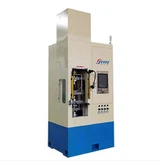
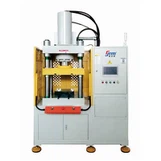
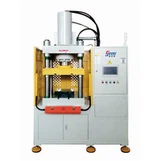
First off, let's understand what a Servo Mechanical Press is. It's a type of press that uses a servo motor to drive the slide. Unlike traditional mechanical presses, which have a fixed - speed flywheel and a clutch - brake system, servo mechanical presses offer more flexibility in terms of speed, stroke, and force control.
One of the key factors contributing to the energy - saving effect of a servo mechanical press is its ability to control the motor's operation precisely. In a traditional press, the flywheel runs continuously at a constant speed, consuming energy even when the press is not actively performing a stamping operation. This is like having your car engine running at full throttle while you're just sitting at a red light. On the other hand, a servo mechanical press can adjust the motor's speed and torque according to the actual requirements of the stamping process. When there's no need for high power, the motor can slow down or even stop, saving a significant amount of energy.
Let's take a look at some real - world examples. Suppose you're running a stamping operation with a traditional press. The flywheel needs to maintain a certain rotational speed to provide the necessary energy for each stroke. Even during idle periods between strokes, the motor has to keep the flywheel spinning, which consumes a lot of electricity. In contrast, a servo mechanical press can be programmed to operate only when it's needed. For instance, if you're stamping small parts with a short cycle time, the servo motor can quickly accelerate to the required speed for the stamping operation and then decelerate right after. This on - demand operation reduces energy waste.
Another aspect is the energy recovery feature of some servo mechanical presses. During the deceleration phase of the slide, the servo motor can act as a generator, converting the kinetic energy of the moving parts back into electrical energy. This recovered energy can then be fed back into the power grid or used to power other equipment in the factory. It's like having your car recharge its battery while braking. This not only saves energy but also reduces the overall electricity consumption of the factory.
Now, let's talk about the impact on the environment. With the growing concern for environmental protection, energy - efficient machines like servo mechanical presses are becoming more and more important. By reducing energy consumption, these presses help to lower greenhouse gas emissions. Less electricity consumption means less burning of fossil fuels in power plants, which in turn reduces the release of carbon dioxide and other pollutants into the atmosphere.
When it comes to different types of servo presses, we have the High Precision Servo Press. This type of press is designed for applications that require high accuracy and repeatability. Its energy - saving features are optimized to ensure that the precision operation doesn't come at the cost of high energy consumption. The servo motor can precisely control the movement of the slide, allowing for accurate stamping while still saving energy.
The Servo Hydraulic Press Machine combines the advantages of servo technology and hydraulic systems. It uses a servo motor to control the hydraulic pump, which provides more precise control over the pressure and flow of the hydraulic fluid. This results in better energy efficiency compared to traditional hydraulic presses. The servo motor can adjust the pump's output according to the actual load, avoiding the over - supply of hydraulic fluid and the associated energy waste.


The Hydraulic Servo Press also offers excellent energy - saving capabilities. It uses a servo - controlled hydraulic system to provide the necessary force for stamping operations. Similar to the servo hydraulic press machine, it can adjust the hydraulic pressure and flow based on the requirements of the process, reducing energy consumption.
In addition to energy savings, servo mechanical presses also offer other benefits. They have a longer service life because the precise control of the motor reduces wear and tear on the mechanical components. They also provide better product quality due to the accurate control of speed, force, and stroke. This means fewer defective products and less waste, which is not only good for the bottom line but also for the environment.
If you're considering upgrading your stamping equipment or starting a new project, a servo mechanical press is definitely worth considering. Not only will it save you money on energy costs in the long run, but it will also improve the efficiency and quality of your production.
So, if you're interested in learning more about our servo mechanical presses or have any questions about their energy - saving effects, feel free to reach out. We're here to help you make the best choice for your business. Whether you're a small - scale manufacturer or a large industrial enterprise, our servo presses can meet your needs and help you save energy and money.
References
- "Servo Press Technology: Principles and Applications" by John Smith
- "Energy Efficiency in Manufacturing: A Guide to Servo Presses" by Jane Doe
- Industry reports on stamping equipment and energy consumption trends