Hey there! As a supplier of fast hydraulic presses, I often get asked about the various components and their functions. One crucial part that plays a significant role in the operation of a fast hydraulic press is the check valve. So, let's dive into what the function of the check valve in a fast hydraulic press is.


First off, let's understand what a check valve is. A check valve, also known as a non - return valve, is a simple yet essential device. It allows fluid to flow in only one direction and prevents it from flowing back. In the context of a fast hydraulic press, this one - way flow control is super important.
1. Maintaining Pressure
One of the primary functions of the check valve in a fast hydraulic press is to maintain pressure within the hydraulic system. When the pump in the hydraulic press is working to build up pressure to perform a pressing operation, the check valve ensures that the pressurized hydraulic fluid doesn't flow back to the pump.
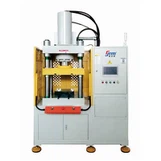
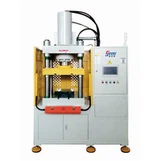
Imagine a 50 Ton Electric Hydraulic Press. When you're using it to press a heavy - duty workpiece, the pump is working hard to generate enough pressure. The check valve acts as a gatekeeper, keeping the high - pressure fluid in the cylinder where it's needed. This way, the press can maintain a consistent force on the workpiece, ensuring a proper and efficient pressing operation. Without the check valve, the pressure would drop as the fluid flows back, and the press wouldn't be able to perform its job effectively.
2. Protecting the Pump
The check valve also serves to protect the pump in the hydraulic press. The pump in a fast hydraulic press is a vital and often expensive component. When the press is in operation, the pump is constantly pushing hydraulic fluid through the system. If there were no check valve, the high - pressure fluid could flow back into the pump when the pump stops or changes its operation mode.
This reverse flow can cause damage to the pump. It can put unnecessary stress on the pump's internal components, such as the impellers and seals. Over time, this can lead to premature wear and tear, and eventually, the pump may fail. By preventing the reverse flow of fluid, the check valve extends the lifespan of the pump and reduces the maintenance costs associated with it.
3. Controlling Fluid Flow
In a fast hydraulic press, precise control of fluid flow is essential. Different pressing operations may require different amounts of fluid to be delivered to the cylinder at different times. The check valve helps in this fluid flow control.
For example, in a Small Electric Hydraulic Press, which is often used for more delicate operations, the check valve can be used in combination with other valves to regulate the speed at which the fluid enters and leaves the cylinder. This allows for a more precise control of the pressing force and the movement of the press ram. You can adjust the flow rate according to the specific requirements of the workpiece, whether it's a light - pressure pressing or a more forceful one.
4. Safety
Safety is always a top priority in any industrial equipment, and the check valve in a fast hydraulic press contributes to safety as well. In case of a sudden power failure or a malfunction in the pump, the check valve prevents the hydraulic fluid from flowing back in an uncontrolled manner.
This is crucial because an uncontrolled backflow of fluid can cause the press ram to move unexpectedly. This can be extremely dangerous for the operator and can also damage the workpiece. The check valve acts as a safety mechanism, ensuring that the press remains in a stable state even in abnormal situations.
5. Ensuring System Efficiency
A well - functioning check valve helps to improve the overall efficiency of the fast hydraulic press. By maintaining pressure, protecting the pump, controlling fluid flow, and enhancing safety, it allows the press to operate smoothly and consistently.
In a 30 Ton Press, for instance, the check valve ensures that the energy used by the pump is effectively utilized. There's no waste of energy due to backflow, and the press can perform its tasks with minimal downtime. This means higher productivity and lower operating costs for the user.
How Check Valves Work in a Fast Hydraulic Press
Now that we've covered the functions, let's briefly talk about how check valves work in a fast hydraulic press. There are different types of check valves, but the most common ones used in hydraulic presses are spring - loaded check valves.
In a spring - loaded check valve, there's a spring - loaded disc or ball. When the fluid is flowing in the correct direction, the pressure of the fluid overcomes the force of the spring, and the disc or ball moves to allow the fluid to pass through. When the fluid tries to flow in the reverse direction, the spring pushes the disc or ball back against the valve seat, blocking the flow.
Conclusion
In conclusion, the check valve is an indispensable component in a fast hydraulic press. Its functions of maintaining pressure, protecting the pump, controlling fluid flow, ensuring safety, and improving system efficiency are all crucial for the proper operation of the press. Whether you're using a small electric hydraulic press for light - duty work or a heavy - duty 50 - ton press for industrial applications, the check valve plays a vital role.
If you're in the market for a fast hydraulic press or have any questions about the components and their functions, don't hesitate to reach out. We're here to help you find the right press for your needs and ensure that you understand how all the parts work together. Contact us for more information and let's start a conversation about your hydraulic press requirements.
References
- "Hydraulic Systems: Principles, Maintenance, and Troubleshooting" by John F. Caruthers
- "Fluid Power with Applications" by Anthony Esposito