The response time of the pressure system in a hot hydraulic press is a critical parameter that significantly influences its performance, efficiency, and the quality of the products it manufactures. As a leading supplier of hot hydraulic presses, we understand the importance of this aspect and are committed to providing in - depth insights into it.
Understanding the Pressure System in a Hot Hydraulic Press
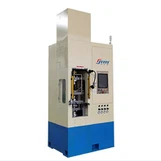
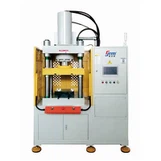
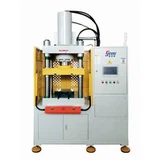
Before delving into the response time, it's essential to understand the basic components of the pressure system in a hot hydraulic press. A typical hot hydraulic press consists of a hydraulic pump, control valves, hydraulic cylinders, and a pressure - sensing mechanism. The hydraulic pump is responsible for generating the required fluid pressure, which is then regulated by the control valves. The hydraulic cylinders convert the fluid pressure into mechanical force to perform the pressing operation. The pressure - sensing mechanism continuously monitors the pressure within the system and provides feedback to the control system.
Factors Affecting the Response Time
1. Hydraulic Fluid Properties
The properties of the hydraulic fluid, such as viscosity and density, play a crucial role in determining the response time. Viscosity affects the flow rate of the fluid through the hydraulic system. A fluid with high viscosity will flow more slowly, resulting in a longer response time. On the other hand, a fluid with very low viscosity may lead to leakage and reduced system efficiency. Density also impacts the inertia of the fluid, which can influence how quickly the pressure can be built up or released.
2. Pump Capacity and Performance
The capacity and performance of the hydraulic pump are key factors. A pump with a higher flow rate can deliver more fluid to the hydraulic cylinders in a shorter period, reducing the response time. Additionally, the pump's ability to maintain a stable pressure under varying loads is important. A high - quality pump can quickly adjust to changes in demand and ensure a rapid response.
3. Control Valve Design
The design of the control valves is another significant factor. Fast - acting valves can open and close rapidly, allowing for quick changes in the fluid flow and pressure. The valve's response time, which is the time it takes to move from the fully closed to the fully open position or vice versa, directly affects the overall response time of the pressure system.
4. System Leakage
Any leakage in the hydraulic system can cause a delay in the pressure build - up or release. Leakage can occur at various points, such as seals, connections, and valves. Even a small leak can have a significant impact on the response time, as it reduces the effective fluid volume available for generating pressure.
Measuring the Response Time
Measuring the response time of the pressure system in a hot hydraulic press typically involves using pressure sensors and data acquisition systems. Pressure sensors are placed at strategic locations within the system to monitor the pressure changes over time. The data acquisition system records the pressure readings at regular intervals and can calculate the time it takes for the pressure to reach a certain setpoint or to change from one pressure level to another.
For example, when a pressing operation starts, the control system sends a signal to the hydraulic pump to increase the pressure. The time from when the signal is sent until the pressure reaches the desired level is the response time for pressure build - up. Similarly, when the pressing operation is completed and the pressure needs to be released, the time it takes for the pressure to drop to a safe level is the response time for pressure release.
Importance of Response Time in Hot Hydraulic Press Applications
1. Product Quality
In many hot hydraulic press applications, such as metal forming and composite molding, the response time of the pressure system can have a direct impact on product quality. A fast response time ensures that the correct pressure is applied quickly and accurately, resulting in uniform product dimensions and properties. For instance, in metal forging, a slow response time may cause uneven deformation of the metal, leading to defects in the final product.


2. Production Efficiency
A shorter response time means that the hot hydraulic press can complete each pressing cycle more quickly. This leads to higher production rates and increased efficiency. In a high - volume manufacturing environment, even a small reduction in the response time can result in significant savings in terms of time and cost.
3. Safety
The response time is also crucial for safety reasons. In case of an emergency, the pressure system needs to be able to release the pressure quickly to prevent damage to the equipment and ensure the safety of the operators. A slow - responding pressure system may not be able to react in time to prevent accidents.
Our Company's Approach to Optimizing Response Time
As a supplier of hot hydraulic presses, we take several measures to optimize the response time of the pressure system in our products.
1. Component Selection
We carefully select high - quality hydraulic pumps, control valves, and hydraulic fluids. Our pumps are designed to have high flow rates and excellent pressure - regulating capabilities. The control valves are fast - acting and reliable, ensuring quick changes in fluid flow and pressure. We also choose hydraulic fluids with the appropriate viscosity and density for the specific application to minimize flow resistance and improve response time.
2. System Design
Our engineers pay close attention to the overall design of the hydraulic system. We minimize the length of the hydraulic lines to reduce fluid inertia and pressure losses. The layout of the components is optimized to ensure smooth fluid flow and easy access for maintenance. Additionally, we use advanced sealing technologies to prevent leakage and maintain the integrity of the system.
3. Testing and Calibration
Before shipping our hot hydraulic presses, we conduct extensive testing and calibration to ensure that the response time of the pressure system meets the required specifications. We use state - of - the - art testing equipment to measure the response time under various operating conditions and make any necessary adjustments to optimize performance.
Product Recommendations
If you are in the market for a hot hydraulic press, we have a range of products to meet your needs. Our 20 Ton Hydraulic Press is a compact and versatile option suitable for small - to - medium - scale production. It offers a fast response time and precise pressure control, making it ideal for applications such as jewelry making and small - part forming.
For more heavy - duty applications, our 50 Ton Press Cylinder provides the power and performance you need. It is designed with high - quality components to ensure a rapid response and reliable operation.
Our Four Column Three Beam Hydraulic Press is a large - scale machine suitable for high - volume production. It features a robust structure and advanced hydraulic system, offering excellent response time and consistent performance.
Contact Us for Procurement and Consultation
If you are interested in learning more about the response time of the pressure system in our hot hydraulic presses or would like to discuss your specific requirements, we encourage you to contact us. Our team of experts is ready to provide you with detailed information, answer your questions, and assist you in selecting the right hot hydraulic press for your application. Whether you are a small - business owner or a large - scale manufacturer, we are committed to helping you achieve the best results with our products.
References
- Smith, J. (2018). Hydraulic Systems Handbook. McGraw - Hill.
- Johnson, A. (2019). Advanced Hydraulic Press Technology. Wiley.
- Brown, R. (2020). Optimization of Hydraulic System Performance. Elsevier.