What is the Load Capacity of an Electric Servo Press?
As a supplier of electric servo presses, I often get asked about the load capacity of these machines. Understanding the load capacity is crucial for customers as it directly impacts the suitability of the press for their specific applications. In this blog post, I'll delve into what load capacity means for an electric servo press, factors that influence it, and how to choose the right load capacity for your needs.
Defining Load Capacity
The load capacity of an electric servo press refers to the maximum amount of force that the press can apply during an operation. It is typically measured in units such as kilonewtons (kN) or pounds-force (lbf). This capacity determines the types of tasks the press can handle, from simple assembly operations to heavy-duty stamping and forming processes.
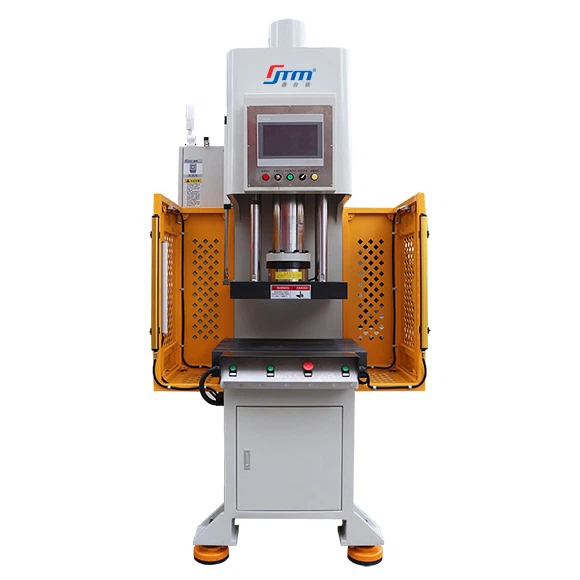

For example, a small-scale assembly application might only require a press with a load capacity of a few kilonewtons, while a large-scale automotive manufacturing process could demand presses with load capacities in the hundreds or even thousands of kilonewtons.
Factors Influencing Load Capacity
Several factors influence the load capacity of an electric servo press. Understanding these factors can help you make an informed decision when selecting a press for your application.
- Motor Power: The power of the servo motor is a primary determinant of the press's load capacity. A more powerful motor can generate greater force, allowing the press to handle heavier loads. Higher power motors are typically used in presses designed for heavy-duty applications.
- Mechanical Design: The mechanical structure of the press, including the frame, connecting rods, and other components, plays a crucial role in determining its load capacity. A robust and well-designed mechanical structure can withstand higher forces without deformation or failure.
- Drive System: The type of drive system used in the press also affects its load capacity. For instance, a ball screw drive system can provide high precision and relatively high load capacity, while a belt drive system may be more suitable for lighter loads.
- Control System: The control system of the press can optimize its performance and ensure that the load capacity is utilized effectively. Advanced control systems can adjust the force and speed of the press based on the specific requirements of the operation.
Types of Electric Servo Presses and Their Load Capacities
There are different types of electric servo presses available in the market, each with its own range of load capacities. Here are some common types:
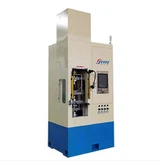
- Servo Hydraulic Press Machine: These presses combine the advantages of hydraulic and servo technology. They can offer a wide range of load capacities, from a few kilonewtons to several hundred kilonewtons. Servo hydraulic presses are suitable for applications that require high force and precise control.
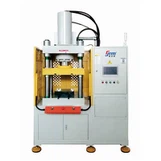
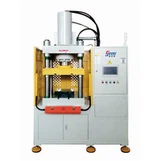
- Hydraulic Servo Press: Hydraulic servo presses use hydraulic cylinders to generate force, with servo control for precise operation. They typically have high load capacities, making them ideal for heavy stamping and forming applications.
- High Precision Servo Press: These presses are designed for applications that require high precision and accuracy. They usually have lower to medium load capacities, ranging from a few kilonewtons to tens of kilonewtons. High precision servo presses are commonly used in electronics, medical device manufacturing, and other industries where precise assembly is required.
Choosing the Right Load Capacity
Selecting the appropriate load capacity for your electric servo press is essential to ensure optimal performance and efficiency. Here are some steps to help you make the right choice:
- Understand Your Application: Determine the specific requirements of your application, including the maximum force needed, the type of materials being processed, and the desired cycle time. This will give you a clear idea of the load capacity you need.
- Consider Future Expansion: If you anticipate future growth or changes in your production requirements, it's advisable to choose a press with a slightly higher load capacity than your current needs. This will allow you to adapt to new applications without having to invest in a new press.
- Evaluate the Cost: While a higher load capacity press may offer more flexibility, it also comes with a higher cost. Consider your budget and balance it against the benefits of having a press with a larger load capacity.
- Consult with Experts: As a supplier, we have extensive experience in helping customers choose the right electric servo press. Don't hesitate to reach out to us for advice and guidance. We can provide you with detailed information about the load capacities of our different models and help you select the one that best suits your needs.
Importance of Proper Load Capacity Selection
Choosing the right load capacity for your electric servo press is not just about ensuring that the press can handle the required force. It also has several other important implications:
- Product Quality: Using a press with the appropriate load capacity can help ensure consistent and high-quality products. If the load capacity is too low, the press may not be able to apply enough force to complete the operation properly, resulting in defective products. On the other hand, if the load capacity is too high, it can cause unnecessary wear and tear on the press and the workpiece.
- Equipment Lifespan: Operating a press within its recommended load capacity can extend its lifespan. Overloading the press can lead to premature failure of components, increased maintenance costs, and downtime.
- Safety: Using a press with the correct load capacity is crucial for safety. An overloaded press can pose a significant risk to operators, as it may malfunction or cause unexpected movements.
Conclusion
The load capacity of an electric servo press is a critical factor that determines its suitability for different applications. By understanding the factors that influence load capacity, the types of presses available, and how to choose the right load capacity, you can make an informed decision when selecting a press for your production needs.
As a supplier of electric servo presses, we are committed to providing our customers with high-quality products and expert advice. If you have any questions or need assistance in choosing the right press for your application, please feel free to contact us. We look forward to discussing your requirements and helping you find the perfect electric servo press solution.
References
- "Servo Press Technology: Principles and Applications" - Industry Report
- "Design and Optimization of Electric Servo Presses" - Journal of Manufacturing Technology
- "Load Capacity Calculation for Industrial Presses" - Technical Manual