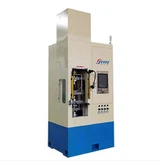
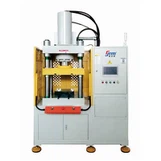
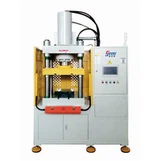
As a supplier of High Precision Servo Presses, I often encounter inquiries from customers about the power consumption of these advanced machines. Understanding the power consumption of a high precision servo press is crucial for businesses aiming to optimize their production processes, reduce operational costs, and enhance overall energy efficiency. In this blog post, I will delve into the factors influencing the power consumption of high precision servo presses, provide insights on how to calculate it, and discuss strategies to minimize energy usage.
Factors Influencing Power Consumption
The power consumption of a high precision servo press is influenced by several key factors, each playing a significant role in determining the overall energy requirements of the machine. These factors include:
1. Press Capacity and Size
The capacity and size of the servo press are directly proportional to its power consumption. Larger presses with higher tonnage capacities typically require more power to operate, as they need to generate greater force to perform their intended tasks. For example, a high precision servo press with a capacity of 500 tons will consume more power than a smaller press with a capacity of 100 tons.


2. Operating Speed
The operating speed of the servo press also affects its power consumption. Faster operating speeds generally require more power, as the machine needs to accelerate and decelerate more rapidly. However, modern servo presses are designed to optimize energy usage by adjusting the speed and force based on the specific requirements of each operation. For instance, a press operating at a high speed for a short period of time may consume less power overall than a press operating at a lower speed for an extended period.
3. Duty Cycle
The duty cycle of the servo press refers to the ratio of the time the press is actively operating to the total time it is available for operation. A higher duty cycle means the press is operating more frequently, which can result in increased power consumption. However, some servo presses are equipped with energy-saving features that allow them to enter a standby mode when not in use, reducing power consumption during idle periods.
4. Motor Efficiency
The efficiency of the servo motor used in the press is a critical factor in determining power consumption. High-quality servo motors are designed to convert electrical energy into mechanical energy with minimal losses, resulting in lower power consumption. When selecting a servo press, it is important to consider the motor efficiency rating to ensure optimal energy performance.
5. Control System
The control system of the servo press plays a crucial role in managing power consumption. Advanced control systems can monitor and adjust the press's operation in real-time, optimizing energy usage based on the specific requirements of each task. For example, the control system can adjust the speed, force, and position of the press to minimize energy waste and improve overall efficiency.
Calculating Power Consumption
Calculating the power consumption of a high precision servo press can be a complex process, as it depends on several factors, including the press's capacity, operating speed, duty cycle, and motor efficiency. However, a general formula for estimating power consumption is as follows:
Power Consumption (kW) = (Force (kN) x Stroke Length (m) x Operating Frequency (cycles/min)) / (60 x Motor Efficiency)
It is important to note that this formula provides only an estimate, and actual power consumption may vary depending on the specific operating conditions of the press. To obtain a more accurate measurement of power consumption, it is recommended to consult the manufacturer's specifications or conduct on-site testing.
Strategies to Minimize Power Consumption
As a supplier of high precision servo presses, we are committed to helping our customers reduce their energy consumption and operating costs. Here are some strategies that can be implemented to minimize power consumption:
1. Select the Right Press
Choosing the right press for your specific application is crucial for minimizing power consumption. Consider the press's capacity, operating speed, and duty cycle to ensure it is sized appropriately for your production requirements. Avoid over-sizing the press, as this can result in unnecessary energy consumption.
2. Optimize Operating Parameters
Adjusting the operating parameters of the press, such as speed, force, and stroke length, can significantly reduce power consumption. Work with your press supplier or a qualified engineer to optimize these parameters based on the specific requirements of each operation.
3. Implement Energy-Saving Features
Many modern servo presses are equipped with energy-saving features, such as variable frequency drives (VFDs), regenerative braking systems, and standby modes. These features can help reduce power consumption by adjusting the motor speed, recovering energy during braking, and minimizing energy usage during idle periods.
4. Maintain the Press Regularly
Regular maintenance of the servo press is essential for ensuring optimal performance and energy efficiency. Keep the press clean, lubricated, and properly aligned to minimize friction and wear, which can increase power consumption. Replace worn or damaged components promptly to prevent energy waste.
5. Train Operators
Proper training of operators is crucial for minimizing power consumption. Train your operators on the correct operation of the press, including how to optimize the operating parameters, use energy-saving features, and perform regular maintenance. Encourage operators to report any issues or abnormalities that may affect the press's energy performance.
Conclusion
Understanding the power consumption of a high precision servo press is essential for businesses aiming to optimize their production processes, reduce operational costs, and enhance overall energy efficiency. By considering the factors influencing power consumption, calculating it accurately, and implementing strategies to minimize energy usage, businesses can achieve significant savings in energy costs while improving the performance and reliability of their servo presses.
As a leading supplier of high precision servo presses, we offer a wide range of products, including C Frame Electric Servo Press, High Precision Servo Press, and Servo Hydraulic Press Machine. Our presses are designed with energy efficiency in mind, incorporating advanced features and technologies to minimize power consumption and reduce operating costs.
If you are interested in learning more about our high precision servo presses or would like to discuss your specific requirements, please contact us today. Our team of experts will be happy to assist you in selecting the right press for your application and providing you with the support and guidance you need to optimize your energy usage and achieve your production goals.
References
- Manufacturer's specifications for high precision servo presses
- Industry standards and guidelines for energy efficiency in manufacturing
- Technical literature on servo motor technology and control systems