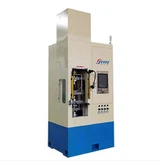
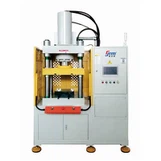
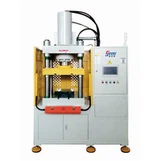
When it comes to operating a 20 Ton Hydraulic Press efficiently and ensuring its long - term performance, choosing the right hydraulic oil is of utmost importance. As a supplier of 20 Ton Hydraulic Presses, I understand the significance of this decision and am here to guide you through the process.
Understanding the Role of Hydraulic Oil in a 20 Ton Hydraulic Press
Hydraulic oil serves multiple critical functions in a 20 Ton Hydraulic Press. First and foremost, it acts as a power - transmitting medium. In a hydraulic system, the pressure exerted on the oil is used to generate force, which is then transferred to the press ram to perform various operations such as bending, punching, and pressing.
Secondly, hydraulic oil lubricates the moving parts within the hydraulic system. This reduces friction and wear between components like pistons, valves, and pumps. By minimizing friction, the oil helps to prevent overheating and extends the lifespan of the hydraulic press.
Moreover, hydraulic oil also acts as a coolant. During the operation of the press, a significant amount of heat is generated due to the mechanical work and friction. The oil absorbs this heat and dissipates it, maintaining the optimal operating temperature of the system.
Factors to Consider When Selecting Hydraulic Oil
Viscosity
Viscosity is one of the most important properties of hydraulic oil. It refers to the oil's resistance to flow. In a 20 Ton Hydraulic Press, the viscosity of the oil must be carefully selected based on the operating temperature and the specific requirements of the hydraulic system.
At lower temperatures, the oil should have a lower viscosity to ensure smooth flow and quick response of the hydraulic system. On the other hand, at higher temperatures, a higher - viscosity oil is needed to maintain proper lubrication and prevent leakage. Most 20 Ton Hydraulic Presses operate within a temperature range of - 20°C to 60°C, and for this range, an ISO VG 32 to ISO VG 68 hydraulic oil is commonly recommended. ISO VG 32 oil has a relatively low viscosity and is suitable for applications where the press operates in colder environments or requires fast - acting hydraulic systems. ISO VG 68 oil, with a higher viscosity, is better for warmer operating conditions or when the press needs to handle heavier loads.
Oxidation Stability
Oxidation stability is the ability of the oil to resist oxidation when exposed to air and high temperatures. Over time, oxidation can cause the oil to thicken, form sludge and varnish, and reduce its lubricating properties. In a 20 Ton Hydraulic Press, which often operates under high - pressure and high - temperature conditions, an oil with good oxidation stability is essential.
Synthetic hydraulic oils generally have better oxidation stability compared to mineral - based oils. They can withstand higher temperatures for longer periods without significant degradation. This means less frequent oil changes and reduced maintenance costs for the hydraulic press.
Anti - Wear Properties
The moving parts in a 20 Ton Hydraulic Press are subject to significant wear and tear. Therefore, the hydraulic oil should have excellent anti - wear properties. Anti - wear additives are often incorporated into the oil to form a protective film on the metal surfaces, reducing friction and preventing direct metal - to - metal contact.
Zinc dialkyldithiophosphate (ZDDP) is a common anti - wear additive used in hydraulic oils. It provides effective protection against wear, especially in high - pressure applications. When selecting hydraulic oil for a 20 Ton Hydraulic Press, look for oils that are specifically formulated with high - quality anti - wear additives to ensure the longevity of the press components.
Water Resistance
Water can have a detrimental effect on the performance of a hydraulic system. It can cause corrosion of metal parts, reduce the lubricating properties of the oil, and lead to the formation of emulsions. In a 20 Ton Hydraulic Press, the hydraulic oil should have good water resistance.
Some hydraulic oils are formulated with additives that help to separate water from the oil. These oils can easily shed water, preventing it from mixing with the oil and causing damage to the system. Additionally, proper maintenance, such as regular draining of water from the oil reservoir, is also important to keep the water content in the oil at a minimum.
Types of Hydraulic Oil Suitable for a 20 Ton Hydraulic Press
Mineral - Based Hydraulic Oils
Mineral - based hydraulic oils are the most commonly used type of hydraulic oil. They are derived from crude oil and are relatively inexpensive. These oils offer good lubrication and are suitable for most general - purpose applications, including 20 Ton Hydraulic Presses.
However, mineral - based oils have some limitations. They have lower oxidation stability compared to synthetic oils and are more prone to forming sludge and varnish over time. They also have a narrower temperature range of operation. But for 20 Ton Hydraulic Presses that operate under normal conditions and within a moderate temperature range, mineral - based oils can be a cost - effective choice.
Synthetic Hydraulic Oils
Synthetic hydraulic oils are chemically engineered to provide superior performance compared to mineral - based oils. They offer excellent oxidation stability, high - temperature resistance, and low - temperature fluidity. Synthetic oils can operate over a wider temperature range, making them suitable for 20 Ton Hydraulic Presses that are used in extreme environments.
Although synthetic hydraulic oils are more expensive than mineral - based oils, they can provide longer service life and reduced maintenance costs in the long run. They are also less likely to cause problems such as sludge formation and component wear, which can lead to costly repairs.
Biodegradable Hydraulic Oils
In recent years, there has been an increasing demand for environmentally friendly hydraulic oils. Biodegradable hydraulic oils are made from renewable resources such as vegetable oils or synthetic esters. They are designed to break down quickly in the environment, reducing the impact of oil spills and leaks.
For 20 Ton Hydraulic Presses used in applications where environmental protection is a concern, such as in food processing or outdoor construction near water sources, biodegradable hydraulic oils are a good option. However, these oils may have some limitations in terms of performance and cost, and they require careful handling and maintenance to ensure optimal performance.
Maintenance and Monitoring of Hydraulic Oil in a 20 Ton Hydraulic Press
Once you have selected the appropriate hydraulic oil for your 20 Ton Hydraulic Press, proper maintenance and monitoring are crucial to ensure its continued performance.
Regular oil analysis is recommended to check the condition of the oil. This can help to detect any signs of contamination, oxidation, or wear in the oil. Based on the results of the oil analysis, you can determine when it is time to change the oil or add additives.
In addition to oil analysis, it is also important to keep the oil reservoir clean and free of debris. Regularly check the oil level and top up the oil as needed. Make sure to use the same type and grade of oil when topping up to avoid compatibility issues.


Conclusion
Selecting the right hydraulic oil for a 20 Ton Hydraulic Press is a critical decision that can significantly impact the performance and lifespan of the press. By considering factors such as viscosity, oxidation stability, anti - wear properties, and water resistance, you can choose the most suitable type of hydraulic oil for your specific application.
Whether you opt for mineral - based, synthetic, or biodegradable hydraulic oil, proper maintenance and monitoring are essential to ensure the optimal operation of the press. If you are in the market for a 20 Ton Hydraulic Press or need more information about hydraulic oil selection, feel free to [contact us for procurement and further discussion]. We are committed to providing high - quality hydraulic presses and expert advice to meet your needs.
If you're interested in exploring other types of hydraulic presses, you can check out our Jet Hydraulic Press, Otc 50 Ton Press, and Air Operated Hydraulic Press.
References
- "Hydraulic Systems and Fluid Power" by Fred Shealer
- "Handbook of Hydraulic Fluid Technology" by George Totten and Michael Bishop
- Manufacturer's manuals of 20 Ton Hydraulic Presses