What is the pressure control mechanism in a hydraulic line press?
As a supplier of hydraulic line presses, I've had the privilege of delving deep into the intricate world of hydraulic systems. One of the most critical aspects of a hydraulic line press is its pressure control mechanism. This mechanism is the heart and soul of the machine, dictating its performance, efficiency, and safety. In this blog post, I'll take you on a journey to understand what the pressure control mechanism in a hydraulic line press is, how it works, and why it's so important.
Understanding the Basics of Hydraulic Line Presses
Before we dive into the pressure control mechanism, let's first understand what a hydraulic line press is. A hydraulic line press is a machine that uses hydraulic pressure to perform various tasks, such as bending, forming, and pressing. It consists of a hydraulic pump, a cylinder, and a control valve. The hydraulic pump generates pressure by forcing hydraulic fluid into the cylinder, which then moves a piston. The piston, in turn, applies force to the workpiece, performing the desired operation.


The Role of the Pressure Control Mechanism
The pressure control mechanism in a hydraulic line press is responsible for regulating the pressure of the hydraulic fluid. This is crucial for several reasons. Firstly, it ensures that the press operates within safe pressure limits. Excessive pressure can cause damage to the machine, the workpiece, and even pose a risk to the operator. Secondly, it allows for precise control of the force applied to the workpiece. Different applications require different levels of force, and the pressure control mechanism enables the operator to adjust the pressure accordingly.
Components of the Pressure Control Mechanism
The pressure control mechanism in a hydraulic line press typically consists of several components, including pressure relief valves, pressure regulators, and pressure gauges.
Pressure Relief Valves: These valves are designed to open when the pressure in the hydraulic system exceeds a predetermined limit. They act as a safety feature, preventing the system from over-pressurizing. When the pressure relief valve opens, it allows the hydraulic fluid to flow back into the reservoir, reducing the pressure in the system.
Pressure Regulators: Pressure regulators are used to maintain a constant pressure in the hydraulic system. They work by adjusting the flow of hydraulic fluid based on the pressure requirements of the application. For example, if the application requires a lower pressure, the pressure regulator will reduce the flow of fluid, thereby reducing the pressure.
Pressure Gauges: Pressure gauges are used to monitor the pressure in the hydraulic system. They provide the operator with real-time information about the pressure, allowing them to make adjustments as needed. Pressure gauges are typically installed at strategic points in the system, such as near the pump and the cylinder.
How the Pressure Control Mechanism Works
The pressure control mechanism in a hydraulic line press works in a coordinated manner to regulate the pressure of the hydraulic fluid. When the hydraulic pump starts, it begins to generate pressure by forcing fluid into the system. The pressure relief valve is set to a specific pressure limit, and if the pressure in the system exceeds this limit, the valve will open, allowing the fluid to flow back into the reservoir.
The pressure regulator, on the other hand, continuously monitors the pressure in the system and adjusts the flow of fluid to maintain a constant pressure. If the pressure drops below the desired level, the pressure regulator will increase the flow of fluid, and if the pressure rises above the desired level, it will reduce the flow of fluid.
The pressure gauge provides the operator with a visual indication of the pressure in the system. Based on the reading on the pressure gauge, the operator can make adjustments to the pressure control mechanism as needed. For example, if the pressure is too high, the operator can adjust the pressure relief valve or the pressure regulator to reduce the pressure.
Importance of Proper Pressure Control
Proper pressure control is essential for the safe and efficient operation of a hydraulic line press. Here are some of the key benefits of proper pressure control:
Safety: As mentioned earlier, proper pressure control ensures that the press operates within safe pressure limits. This reduces the risk of damage to the machine, the workpiece, and the operator.
Precision: Precise pressure control allows for accurate and consistent results. Different applications require different levels of force, and proper pressure control enables the operator to apply the exact amount of force needed for each application.
Efficiency: By maintaining a constant pressure, the pressure control mechanism helps to optimize the performance of the hydraulic line press. This reduces energy consumption and increases the lifespan of the machine.
Our Hydraulic Line Press Products
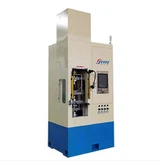
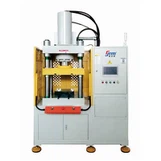
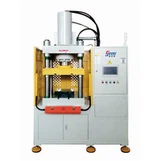
At our company, we offer a wide range of hydraulic line presses that are equipped with advanced pressure control mechanisms. Our 20 Ton Hydraulic Press is a powerful and reliable machine that is suitable for a variety of applications. It features a high-quality pressure control system that ensures precise and safe operation.
We also offer the Hydraulic Baling Press Machine, which is designed for baling various materials such as paper, cardboard, and plastic. This machine is equipped with a state-of-the-art pressure control mechanism that allows for efficient and effective baling.
In addition, our Electric Hydraulic Press for Blacksmithing is specifically designed for blacksmithing applications. It offers precise pressure control, allowing blacksmiths to shape and form metal with ease.
Contact Us for Purchase and Consultation
If you're in the market for a hydraulic line press or have any questions about our products, we'd love to hear from you. Our team of experts is available to provide you with detailed information about our products, including their features, specifications, and pricing. We can also offer guidance on selecting the right hydraulic line press for your specific needs. Whether you're a small business owner or a large industrial manufacturer, we have the right solution for you.
References
- Norton, H. L. (1996). Machine Tool Practice. McGraw-Hill.
- Spotts, M. F. (2004). Design of Machine Elements. Prentice Hall.
- Shigley, J. E., & Mischke, C. R. (2001). Mechanical Engineering Design. McGraw-Hill.