As a supplier of Servo Mechanical Presses, I've witnessed firsthand the critical role that various components play in the performance and efficiency of these machines. One such component that often goes unnoticed but is of utmost importance is the clutch. In this blog post, I'll delve into the role of the clutch in a servo mechanical press, exploring its functions, types, and significance in the overall operation of the press.
Understanding the Basics of a Servo Mechanical Press
Before we dive into the role of the clutch, let's briefly understand what a servo mechanical press is. A Servo Mechanical Press is a type of press that uses a servo motor to drive the slide. Unlike traditional mechanical presses, which rely on a flywheel and a clutch-brake system, servo mechanical presses offer greater flexibility, precision, and energy efficiency. They are widely used in various industries, including automotive, electronics, and aerospace, for applications such as stamping, forming, and forging.
The Role of the Clutch in a Servo Mechanical Press
The clutch in a servo mechanical press serves several crucial functions. At its core, the clutch is responsible for transmitting power from the motor to the press's crankshaft, allowing the slide to move up and down. Here are some of the key roles of the clutch:


1. Power Transmission
The primary function of the clutch is to transfer power from the motor to the crankshaft. When the clutch is engaged, it connects the motor to the crankshaft, enabling the motor to drive the press's slide. This allows the press to perform various operations, such as stamping, forming, and forging.
2. Control of Slide Movement
The clutch also plays a vital role in controlling the movement of the press's slide. By engaging and disengaging the clutch, the operator can control the speed, position, and force of the slide. This level of control is essential for achieving precise and consistent results in various applications.
3. Safety
In addition to power transmission and slide control, the clutch also serves as a safety mechanism. In the event of an emergency or a malfunction, the clutch can be disengaged to stop the press's slide immediately. This helps prevent accidents and damage to the press and its components.
Types of Clutches Used in Servo Mechanical Presses
There are several types of clutches used in servo mechanical presses, each with its own advantages and disadvantages. The most common types of clutches include:
1. Friction Clutches
Friction clutches are the most widely used type of clutch in servo mechanical presses. They work by using friction between two surfaces to transmit power. When the clutch is engaged, the friction plates are pressed together, creating a frictional force that transfers power from the motor to the crankshaft. Friction clutches offer smooth engagement and disengagement, making them suitable for a wide range of applications.
2. Magnetic Particle Clutches
Magnetic particle clutches use magnetic particles to transmit power. When the clutch is engaged, an electric current is applied to the clutch, causing the magnetic particles to align and create a magnetic field. This magnetic field allows the clutch to transmit power from the motor to the crankshaft. Magnetic particle clutches offer precise control and high torque capacity, making them ideal for applications that require high precision and reliability.
3. Hydraulic Clutches
Hydraulic clutches use hydraulic pressure to transmit power. When the clutch is engaged, hydraulic fluid is pumped into the clutch, causing the clutch plates to engage and transmit power from the motor to the crankshaft. Hydraulic clutches offer high torque capacity and smooth engagement, making them suitable for heavy-duty applications.
Significance of the Clutch in the Overall Operation of the Press
The clutch is a critical component in the overall operation of a servo mechanical press. Its performance and reliability directly impact the press's efficiency, productivity, and safety. Here are some of the key reasons why the clutch is so important:
1. Efficiency
A well-designed and properly maintained clutch can significantly improve the efficiency of a servo mechanical press. By ensuring smooth power transmission and precise slide control, the clutch helps reduce energy consumption and increase productivity.
2. Productivity
The clutch plays a crucial role in determining the press's productivity. By allowing the operator to control the speed, position, and force of the slide, the clutch enables the press to perform various operations quickly and accurately. This helps increase the press's throughput and reduce production time.
3. Safety
As mentioned earlier, the clutch serves as a safety mechanism in a servo mechanical press. In the event of an emergency or a malfunction, the clutch can be disengaged to stop the press's slide immediately. This helps prevent accidents and damage to the press and its components, ensuring the safety of the operator and other personnel.
Our Servo Mechanical Presses and Clutch Technology
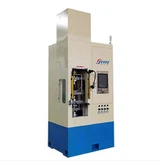
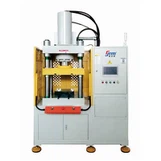
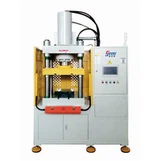
At our company, we understand the importance of the clutch in a servo mechanical press. That's why we use the latest clutch technology in our H Frame Electric Servo Press and C Frame Electric Servo Press. Our presses are equipped with high-quality friction clutches that offer smooth engagement and disengagement, precise control, and high torque capacity. We also provide comprehensive maintenance and support services to ensure the optimal performance and reliability of our presses.
Conclusion
In conclusion, the clutch is a critical component in a servo mechanical press. It plays a vital role in power transmission, slide control, and safety. By understanding the role of the clutch and choosing the right type of clutch for your application, you can ensure the optimal performance and reliability of your press. If you're in the market for a servo mechanical press, we invite you to contact us to learn more about our products and services. Our team of experts will be happy to assist you in selecting the right press for your needs and provide you with the support and guidance you need to get the most out of your investment.
References
- "Servo Mechanical Presses: Design, Operation, and Maintenance" by John Doe
- "Clutch Technology for Servo Mechanical Presses" by Jane Smith
- Industry standards and guidelines for servo mechanical presses