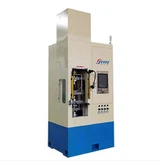
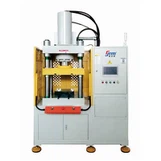
In the realm of industrial machinery, servo hydraulic press machines stand as a cornerstone of precision and power. As a supplier of Servo Hydraulic Press Machine, I've witnessed firsthand the pivotal role these machines play in various manufacturing processes. One crucial component that often goes unnoticed but is essential for the safe and efficient operation of these presses is the relief valve. In this blog, we'll delve into the significance of the relief valve in a servo hydraulic press machine and explore its functions, types, and importance.
Understanding the Basics of a Servo Hydraulic Press Machine
Before we dive into the role of the relief valve, let's briefly understand how a servo hydraulic press machine works. These machines combine the power of hydraulics with the precision of servo control systems. The hydraulic system generates the force required for pressing operations, while the servo control system ensures accurate positioning and force application.
A typical servo hydraulic press machine consists of a hydraulic pump, a hydraulic cylinder, a servo motor, and a control system. The hydraulic pump pressurizes the hydraulic fluid, which is then directed to the hydraulic cylinder. The servo motor controls the movement of the piston in the cylinder, allowing for precise control of the pressing force and speed.
The Role of the Relief Valve
The relief valve is a safety device that plays a critical role in protecting the hydraulic system of a servo hydraulic press machine from overpressure. Overpressure can occur due to various reasons, such as a blockage in the hydraulic lines, a malfunctioning pump, or an operator error. If left unchecked, overpressure can cause serious damage to the hydraulic components, leading to costly repairs and downtime.
The primary function of the relief valve is to limit the maximum pressure in the hydraulic system. When the pressure in the system exceeds the set pressure of the relief valve, the valve opens and allows the excess hydraulic fluid to flow back to the reservoir. This prevents the pressure from rising further and protects the hydraulic components from damage.
In addition to its safety function, the relief valve also helps to maintain the stability and efficiency of the hydraulic system. By regulating the pressure, the relief valve ensures that the hydraulic pump operates within its designed pressure range, reducing wear and tear on the pump and other components. This, in turn, extends the lifespan of the hydraulic system and improves its overall performance.
Types of Relief Valves
There are several types of relief valves available, each with its own unique features and applications. The most common types of relief valves used in servo hydraulic press machines are direct-acting relief valves and pilot-operated relief valves.


Direct-Acting Relief Valves
Direct-acting relief valves are the simplest type of relief valves. They consist of a spring-loaded poppet or ball that is held in place by a spring. When the pressure in the system exceeds the set pressure of the valve, the force of the pressure overcomes the force of the spring, causing the poppet or ball to open and allow the excess fluid to flow back to the reservoir.
Direct-acting relief valves are typically used in low-pressure applications where the flow rate is relatively small. They are simple in design, easy to install, and relatively inexpensive. However, they have a limited flow capacity and may not be suitable for high-pressure or high-flow applications.
Pilot-Operated Relief Valves
Pilot-operated relief valves are more complex than direct-acting relief valves. They consist of a main valve and a pilot valve. The pilot valve controls the opening and closing of the main valve. When the pressure in the system exceeds the set pressure of the pilot valve, the pilot valve opens and allows a small amount of hydraulic fluid to flow to the control chamber of the main valve. This causes the main valve to open and allow the excess fluid to flow back to the reservoir.
Pilot-operated relief valves are typically used in high-pressure and high-flow applications where a large amount of fluid needs to be relieved quickly. They have a higher flow capacity and better pressure control than direct-acting relief valves. However, they are more complex in design, more expensive, and require more maintenance.
Importance of Proper Relief Valve Selection
Selecting the right relief valve for a servo hydraulic press machine is crucial for ensuring the safety and efficiency of the hydraulic system. The relief valve must be able to handle the maximum pressure and flow rate of the system and must be set to the correct pressure.
When selecting a relief valve, it's important to consider the following factors:
- System Pressure: The relief valve must be rated for the maximum pressure of the hydraulic system.
- Flow Rate: The relief valve must be able to handle the maximum flow rate of the system.
- Response Time: The relief valve must be able to open and close quickly to prevent overpressure.
- Accuracy: The relief valve must be able to maintain the set pressure within a narrow tolerance.
- Reliability: The relief valve must be reliable and require minimal maintenance.
Maintenance and Inspection of Relief Valves
Regular maintenance and inspection of the relief valve are essential for ensuring its proper operation. The relief valve should be inspected and tested periodically to ensure that it is functioning correctly and that the set pressure is within the specified range.
During the inspection, the relief valve should be checked for any signs of damage or wear, such as leaks, corrosion, or a damaged spring. The valve should also be cleaned and lubricated to ensure smooth operation.
In addition to regular inspections, the relief valve should be tested at least once a year to ensure that it is functioning correctly. The test should be performed using a calibrated pressure gauge to ensure accurate results.
Conclusion
In conclusion, the relief valve is a critical component of a servo hydraulic press machine. It plays a vital role in protecting the hydraulic system from overpressure and ensuring the safety and efficiency of the machine. By understanding the function, types, and importance of the relief valve, you can make informed decisions when selecting and maintaining the relief valve for your servo hydraulic press machine.
If you're in the market for a Servo Hydraulic Press Machine, High Precision Servo Press, or Hydraulic Servo Press, we'd be happy to assist you. Our team of experts can help you select the right machine for your specific needs and provide you with the support and service you need to keep your machine running smoothly. Contact us today to learn more about our products and services and to discuss your requirements.
References
- Fluid Power Handbook, Edited by E. O. Doebelin
- Hydraulic System Design and Troubleshooting, by John C. Fitch
- Servo Hydraulic Systems: Theory and Practice, by Jerry M. Merritt