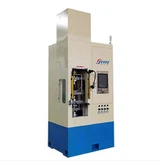
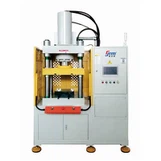
Stamping presses are essential equipment in various industries, including automotive, aerospace, and manufacturing. These machines are used to shape and cut metal sheets into specific forms, making them a crucial part of the production process. However, due to their high power and potential for causing serious injuries, stamping presses are subject to strict safety regulations in different countries. As a stamping presses supplier, it is crucial for us to understand these regulations to ensure the safety of our customers and comply with international standards.
Safety Regulations in the United States
In the United States, the Occupational Safety and Health Administration (OSHA) is responsible for setting and enforcing safety regulations for stamping presses. OSHA's regulations are designed to protect workers from the hazards associated with stamping operations, such as crushing, shearing, and punching.
One of the key requirements of OSHA's regulations is the use of point-of-operation guards. These guards are designed to prevent workers from coming into contact with the moving parts of the stamping press, such as the dies and the ram. Point-of-operation guards can be either physical barriers or electronic sensors that detect the presence of a worker and stop the press if necessary.
OSHA also requires employers to provide training to workers who operate stamping presses. This training must cover the safe operation of the press, including how to use the guards and emergency stop buttons. Workers must also be trained on how to recognize and avoid potential hazards, such as pinch points and flying debris.
In addition to these requirements, OSHA mandates regular maintenance and inspection of stamping presses. Employers must ensure that the presses are in good working condition and that all safety features are functioning properly. Any defects or malfunctions must be repaired immediately to prevent accidents.
Safety Regulations in the European Union
In the European Union (EU), safety regulations for stamping presses are governed by the Machinery Directive 2006/42/EC. This directive sets out the essential health and safety requirements for machinery, including stamping presses, to ensure the protection of workers and the general public.
Under the Machinery Directive, stamping presses must be designed and constructed to eliminate or reduce risks as far as possible. This includes the use of safety guards, emergency stop buttons, and other safety devices. The directive also requires that the presses be marked with appropriate safety signs and warnings to inform users of potential hazards.
In addition to the Machinery Directive, the EU has specific regulations for the safety of workers in the workplace. The Health and Safety at Work Directive 89/391/EEC requires employers to take all necessary measures to ensure the safety and health of their workers. This includes providing appropriate training, personal protective equipment, and a safe working environment.
Safety Regulations in Japan
In Japan, safety regulations for stamping presses are enforced by the Ministry of Health, Labour and Welfare (MHLW). The MHLW's regulations are based on the Industrial Safety and Health Act, which aims to prevent industrial accidents and protect the health and safety of workers.
One of the key requirements of the MHLW's regulations is the installation of safety devices on stamping presses. These devices include interlocks, light curtains, and pressure-sensitive mats, which are designed to stop the press if a worker enters the danger zone. The regulations also require employers to conduct regular inspections and maintenance of the presses to ensure that the safety devices are functioning properly.
Another important aspect of the MHLW's regulations is worker training. Employers must provide training to workers who operate stamping presses, covering topics such as the safe operation of the press, the use of safety devices, and emergency procedures. Workers must also be trained on how to recognize and report potential hazards.
Safety Regulations in China
In China, safety regulations for stamping presses are established by the State Administration of Work Safety (SAWS). The SAWS's regulations are designed to prevent accidents and protect the safety and health of workers in the stamping industry.
One of the main requirements of the SAWS's regulations is the installation of safety guards on stamping presses. These guards must be designed to prevent workers from coming into contact with the moving parts of the press. The regulations also require employers to provide training to workers on the safe operation of the press and the use of safety devices.
In addition to these requirements, the SAWS mandates regular inspections and maintenance of stamping presses. Employers must ensure that the presses are in good working condition and that all safety features are functioning properly. Any defects or malfunctions must be repaired immediately to prevent accidents.
Our Commitment to Safety
As a stamping presses supplier, we are committed to providing our customers with safe and reliable equipment. We understand the importance of complying with safety regulations in different countries and strive to ensure that all our products meet or exceed these requirements.
Our stamping presses are designed and manufactured with the latest safety features, including point-of-operation guards, emergency stop buttons, and electronic sensors. We also provide comprehensive training to our customers on the safe operation and maintenance of our presses.
In addition to our commitment to safety, we offer a wide range of stamping presses to meet the needs of different industries. Our products include 10 Ton Electric Hydraulic Press, Hydraulic Baling Press Machine, and Hot Hydraulic Press. All our presses are built to the highest quality standards and are backed by our excellent customer service.
Contact Us for Your Stamping Press Needs
If you are in the market for a stamping press, we invite you to contact us to discuss your requirements. Our team of experts will be happy to provide you with detailed information about our products and help you choose the right press for your application. We can also assist you with installation, training, and maintenance to ensure that your press operates safely and efficiently.


References
- Occupational Safety and Health Administration (OSHA). (n.d.). Stamping Presses. Retrieved from [OSHA website]
- European Commission. (2006). Machinery Directive 2006/42/EC. Retrieved from [European Commission website]
- Ministry of Health, Labour and Welfare (MHLW) of Japan. (n.d.). Industrial Safety and Health Act. Retrieved from [MHLW website]
- State Administration of Work Safety (SAWS) of China. (n.d.). Safety Regulations for Stamping Presses. Retrieved from [SAWS website]