When it comes to installing a servo hydraulic press machine, understanding the space requirements is crucial for ensuring a smooth and efficient operation. As a trusted supplier of servo hydraulic press machines, I've witnessed firsthand how proper space planning can significantly impact the overall performance and longevity of these powerful machines. In this blog post, I'll delve into the key factors that determine the space needed for installing a servo hydraulic press machine and provide valuable insights to help you make informed decisions.
Machine Dimensions
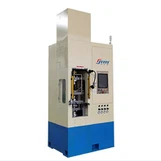
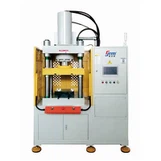
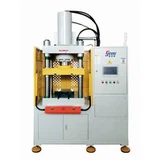
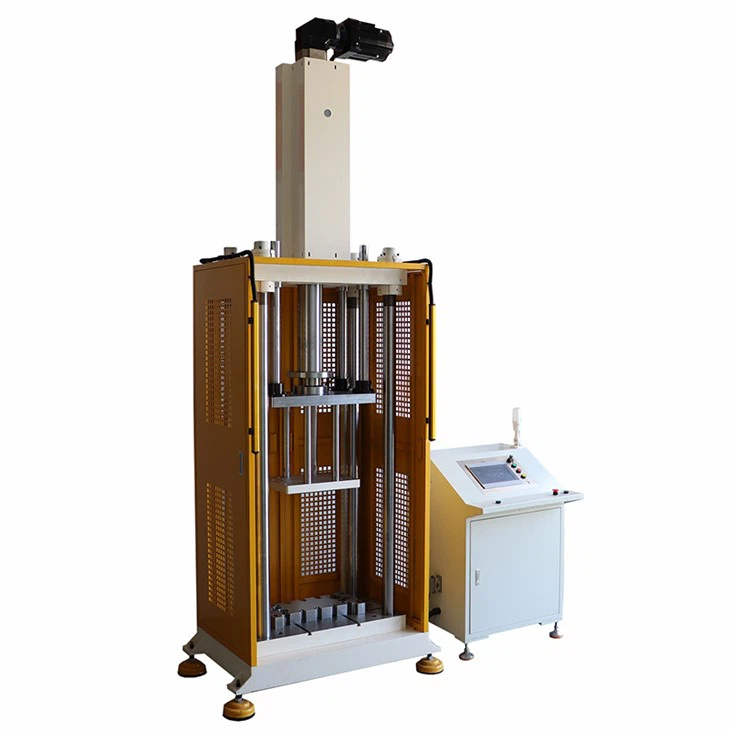
The first and most obvious factor to consider is the physical size of the servo hydraulic press machine itself. Different models come in various shapes and sizes, depending on their intended applications and capabilities. For instance, our H Frame Electric Servo Press is designed with a sturdy H-shaped frame, which provides excellent stability and support for heavy-duty pressing operations. On the other hand, our C Frame Electric Servo Press offers a more compact and versatile design, making it suitable for smaller workspaces and lighter pressing tasks.
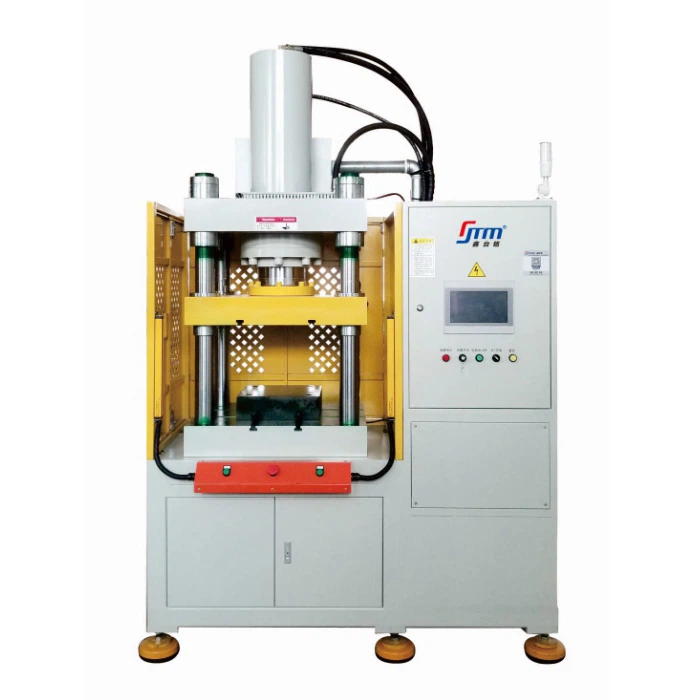
Before making a purchase, it's essential to carefully review the machine's specifications and dimensions provided by the manufacturer. This information typically includes the length, width, and height of the press, as well as any additional space required for accessories such as control panels, hydraulic power units, and safety guards. By accurately measuring the available space in your facility, you can ensure that the machine will fit comfortably and allow for easy access during installation, operation, and maintenance.
Clearance Space
In addition to the machine's dimensions, it's important to allocate sufficient clearance space around the press to ensure safe and efficient operation. Clearance space refers to the area surrounding the machine that is free from obstructions and allows for easy movement of personnel, materials, and equipment. This space is necessary for tasks such as loading and unloading workpieces, performing maintenance and repairs, and accessing emergency stop buttons and other safety features.
As a general rule of thumb, it's recommended to leave at least 3 to 5 feet of clearance space on all sides of the press. This will provide enough room for operators to move freely and safely around the machine, as well as prevent any potential collisions or accidents. Additionally, it's important to consider the height of the clearance space, especially if the press is equipped with overhead components such as hydraulic cylinders or robotic arms. Make sure there is enough vertical clearance to accommodate these components without any restrictions.
Accessibility and Mobility
Another important aspect to consider when planning the space for a servo hydraulic press machine is accessibility and mobility. The press should be easily accessible from all sides to allow for convenient loading and unloading of workpieces, as well as for performing routine maintenance and inspections. This may require installing ramps, platforms, or other access points to ensure that the machine can be reached safely and efficiently.
In addition, it's important to consider the mobility of the press, especially if it needs to be moved or repositioned within the facility. Some servo hydraulic presses are designed with casters or wheels, which allow for easy movement and relocation. However, it's important to ensure that the floor surface is level and able to support the weight of the machine to prevent any damage or instability.
Ventilation and Cooling
Servo hydraulic press machines generate a significant amount of heat during operation, which can affect the performance and longevity of the machine if not properly managed. To prevent overheating, it's essential to provide adequate ventilation and cooling in the area where the press is installed. This may involve installing exhaust fans, air conditioning units, or other cooling systems to remove hot air and maintain a comfortable operating temperature.
In addition to ventilation, it's also important to ensure that the hydraulic power unit, which is responsible for supplying the hydraulic fluid to the press, is properly cooled. This may require installing a separate cooling system, such as a water-cooled heat exchanger or an air-cooled radiator, to dissipate the heat generated by the hydraulic pump and other components.
Electrical and Hydraulic Connections
Servo hydraulic press machines require a reliable source of electrical power and hydraulic fluid to operate effectively. When planning the space for the press, it's important to consider the location of the electrical and hydraulic connections and ensure that they are easily accessible and properly installed.
Electrical connections typically include a power supply, control panel, and motor wiring. It's important to ensure that the electrical system is properly sized and rated to handle the power requirements of the press, as well as to comply with all relevant electrical codes and safety standards. Additionally, it's important to provide adequate space for the electrical components and wiring to prevent any potential short circuits or other electrical hazards.
Hydraulic connections, on the other hand, involve the installation of hydraulic hoses, fittings, and valves to connect the hydraulic power unit to the press. It's important to ensure that the hydraulic system is properly designed and installed to prevent any leaks or pressure drops, which can affect the performance and efficiency of the press. Additionally, it's important to provide adequate space for the hydraulic power unit and its associated components, such as filters, reservoirs, and pumps.
Safety Considerations
Safety should always be the top priority when installing a servo hydraulic press machine. In addition to providing adequate clearance space and ventilation, it's important to ensure that the press is equipped with all the necessary safety features and guards to prevent accidents and injuries. This may include installing emergency stop buttons, safety curtains, light curtains, and other safety devices to protect operators from moving parts and potential hazards.
It's also important to provide proper training and education to operators on how to safely operate the press and follow all relevant safety procedures. This may involve conducting regular safety training sessions, providing written instructions and manuals, and ensuring that operators are familiar with the machine's controls and safety features.
Conclusion
In conclusion, understanding the space requirements for installing a servo hydraulic press machine is essential for ensuring a safe, efficient, and productive operation. By carefully considering the machine's dimensions, clearance space, accessibility, mobility, ventilation, cooling, electrical and hydraulic connections, and safety features, you can make informed decisions and plan the space in your facility accordingly.
As a leading supplier of servo hydraulic press machines, we are committed to providing our customers with high-quality products and comprehensive support services. Our team of experienced engineers and technicians can help you select the right machine for your specific needs and provide expert advice on installation, operation, and maintenance. If you have any questions or need further information, please don't hesitate to contact us. We look forward to working with you to find the perfect solution for your pressing needs.
References
- Manufacturer's specifications and installation guides for servo hydraulic press machines.
- Industry standards and best practices for the installation and operation of hydraulic machinery.
- Safety regulations and guidelines for the workplace, including OSHA standards.