Hey there! As a supplier of precision hydraulic presses, I often get asked about the tonnage of a typical precision hydraulic press. So, I thought I'd take a moment to break it down for you.
First off, let's talk about what tonnage means in the context of hydraulic presses. Tonnage refers to the amount of force that a press can exert. It's a crucial factor because it determines what kind of jobs the press can handle. The higher the tonnage, the more force the press can apply, and the heavier-duty the tasks it can take on.
Now, when it comes to typical tonnages for precision hydraulic presses, there's no one - size - fits - all answer. It really depends on the specific application. For light - duty tasks like small - scale assembly, stamping thin materials, or some light forming operations, a press with a lower tonnage, say around 2 to 10 tons, might be sufficient.
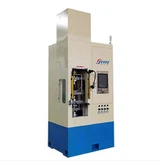
For example, a 10 Ton Electric Hydraulic Press is great for those smaller jobs. It's compact, relatively easy to operate, and can handle tasks where you don't need a massive amount of force. It's perfect for workshops or small - to - medium - sized manufacturing facilities that deal with precision work on delicate materials.
On the other hand, if you're in the business of heavy - duty metal forming, forging, or large - scale stamping operations, you're going to need a press with a much higher tonnage. Presses in the range of 50 to 500 tons or even more are commonly used in these industries. These heavy - duty presses are built like tanks, with robust frames and powerful hydraulic systems to generate the enormous force required.
But what about the medium - range tonnages? Well, presses in the 10 - 50 ton range are quite versatile. They can handle a wide variety of tasks, from medium - sized stamping jobs to some light forging and deep - drawing operations. They're a popular choice for many manufacturers because they offer a good balance between power and cost - effectiveness.
Let's take a look at how the tonnage affects the performance of a precision hydraulic press. A higher - tonnage press can deform thicker and harder materials. For instance, if you're working with thick steel plates or hard alloys, a low - tonnage press simply won't be able to bend or shape them properly. The press needs enough force to overcome the material's resistance and achieve the desired deformation.
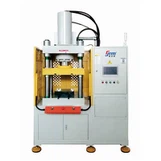
Another aspect to consider is the speed of operation. Some presses, like the Fast Hydraulic Press, are designed to operate at high speeds. However, the tonnage can impact the speed. Generally, higher - tonnage presses might operate a bit slower because they're dealing with more force and heavier loads. But modern engineering has made it possible to design presses that can maintain a good speed even at high tonnages.
Precision is also a key factor, especially in our line of work. A precision hydraulic press is supposed to deliver accurate and repeatable results. The tonnage needs to be carefully calibrated to ensure that the press doesn't over - or under - exert force on the material. For example, in precision stamping operations, if the tonnage is too high, it can cause the material to crack or deform in an undesirable way. If it's too low, the stamping might not be complete, leaving an incomplete impression.
Now, let's talk about some specific applications and the appropriate tonnages for them. In the automotive industry, hydraulic presses are used for various tasks. For making small brackets or clips, a 10 - 20 ton press might be enough. But when it comes to forming large body panels, presses with tonnages in the hundreds are often required.
In the aerospace industry, precision is of the utmost importance. Components need to be manufactured with extremely tight tolerances. For tasks like riveting, small - tonnage presses in the 2 - 5 ton range can be used. However, for more complex forming operations on thick metal sheets, higher - tonnage presses are necessary.
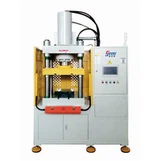
The Hydraulic Line Press is another specialized type of press. It's often used for tasks related to pressing hydraulic lines, such as crimping or fitting connectors. These presses usually have relatively lower tonnages, typically in the 5 - 20 ton range, as they're dealing with more delicate and precise operations.


When choosing the right tonnage for your hydraulic press, you also need to think about your future needs. If your business is growing and you expect to take on more challenging jobs in the future, it might be a good idea to invest in a press with a slightly higher tonnage than you currently need. This way, you won't have to replace the press prematurely.
In addition to tonnage, there are other factors to consider when buying a precision hydraulic press. The build quality, the type of hydraulic system, the control features, and the overall reliability of the press are all important. You want a press that's going to last, perform consistently, and be easy to maintain.
So, if you're in the market for a precision hydraulic press, don't just focus on the tonnage. Make sure to do your research, understand your specific needs, and consider all the factors involved. And if you have any questions or need help choosing the right press for your operation, don't hesitate to reach out. We're here to assist you in finding the perfect solution for your manufacturing needs. Whether you're a small - scale workshop or a large - scale industrial facility, we can provide you with the right precision hydraulic press to get the job done.
If you're interested in discussing your requirements further or want to start a purchase negotiation, feel free to get in touch. We're always happy to have a chat and see how we can help you take your manufacturing to the next level.
References:
- General knowledge from the hydraulic press manufacturing industry
- Industry best - practices and standards for precision hydraulic presses