Hey there! As a supplier of the 20 Ton Hydraulic Press, I've seen a lot of folks scratching their heads over how to adjust the pressure of this powerful machine. Well, you've come to the right place. In this blog, I'm gonna walk you through the whole process step by step.
First off, let's understand why pressure adjustment is so important. A 20 Ton Hydraulic Press, like the one you can check out here, is a versatile piece of equipment used in various industries such as manufacturing, metalworking, and even in some DIY projects. The right pressure ensures that you get the job done efficiently and safely. Too much pressure can damage the workpiece or even the press itself, while too little pressure might not give you the desired results.
Understanding the Basics of a 20 Ton Hydraulic Press
Before we dive into the pressure adjustment process, it's crucial to know the key components of a 20 Ton Hydraulic Press. The main parts include the hydraulic pump, the cylinder, the control valves, and the pressure gauge. The hydraulic pump is responsible for generating the pressure by moving hydraulic fluid through the system. The cylinder then uses this pressure to move the ram, which applies the force to the workpiece. The control valves regulate the flow of the hydraulic fluid, and the pressure gauge shows you the current pressure level.
Pre - Adjustment Checks
Before you start adjusting the pressure, there are a few things you need to do. First, make sure the press is turned off and unplugged. Safety first, right? Check the hydraulic fluid level. Low fluid levels can cause the pump to overheat and reduce the efficiency of the press. If the fluid is low, fill it up to the recommended level using the appropriate hydraulic fluid.
Inspect the hoses and connections for any signs of leaks or damage. A leak can not only reduce the pressure but also be a safety hazard. If you find any issues, replace the damaged parts before proceeding.
The Pressure Adjustment Process
Now, let's get to the main event - adjusting the pressure. Most 20 Ton Hydraulic Presses have a pressure adjustment valve. This valve is usually located near the hydraulic pump or on the control panel.

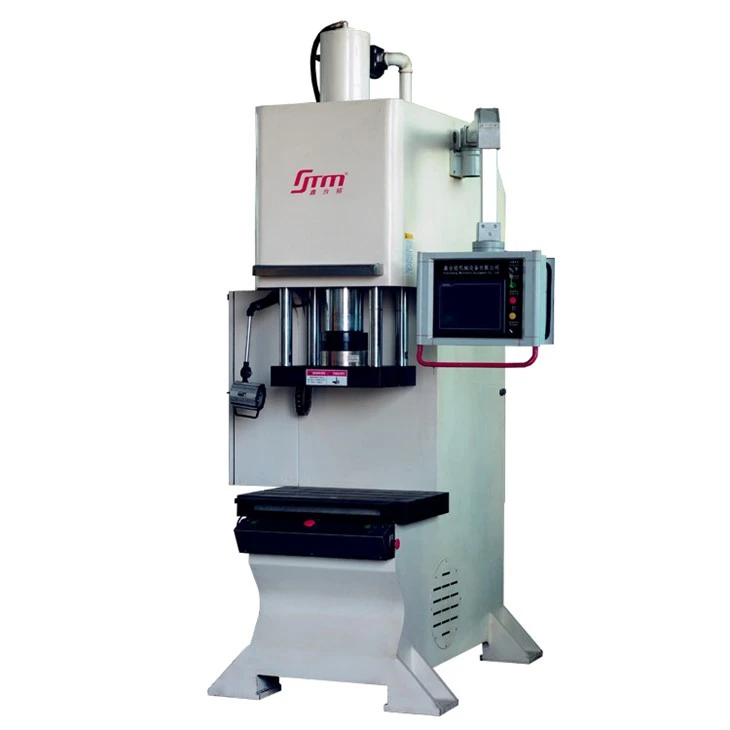
- Locate the Pressure Adjustment Valve: Find the valve. It might be a screw - type valve or a knob. Some presses have a more sophisticated digital control system, but the basic principle is the same.
- Loosen the Lock Nut: If there's a lock nut on the adjustment valve, use a wrench to loosen it. This will allow you to turn the adjustment valve.
- Make Small Adjustments: Start by making small turns on the adjustment valve. If you're increasing the pressure, turn the valve clockwise. If you're decreasing the pressure, turn it counter - clockwise. After each adjustment, turn on the press and check the pressure gauge.
- Monitor the Pressure Gauge: Keep an eye on the pressure gauge as you make adjustments. Make sure the pressure doesn't exceed the maximum rated capacity of the press. For a 20 Ton Hydraulic Press, the maximum pressure should be set according to the manufacturer's specifications.
- Test the Press: Once you've made an adjustment, perform a test run on a scrap piece of material. This will help you determine if the pressure is correct for your specific application. If the results aren't satisfactory, make further small adjustments until you get the desired pressure.
- Tighten the Lock Nut: After you've set the correct pressure, use the wrench to tighten the lock nut. This will prevent the adjustment valve from moving and keep the pressure stable.
Troubleshooting Common Issues
Sometimes, you might encounter some problems during the pressure adjustment process. Here are a few common issues and how to fix them.
- Pressure Not Changing: If you turn the adjustment valve and the pressure doesn't change, there could be a blockage in the hydraulic system. Check the filters and clean or replace them if necessary. Also, make sure the adjustment valve is not stuck.
- Pressure Fluctuating: Fluctuating pressure can be caused by air in the hydraulic system. To fix this, you can bleed the system. Most presses have a bleeding valve. Open the valve slightly to let the air out until you see a steady stream of hydraulic fluid.
- Excessive Noise: Excessive noise during operation can indicate a problem with the hydraulic pump. Check the fluid level and the pump for any signs of damage. If the noise persists, it might be time to call in a professional.
Comparing with Other Presses
If you're thinking about different options, you might also consider a 30 Ton Press or a 20 Ton H Frame Press. The 30 Ton Press offers more power, which can be useful for heavier - duty applications. On the other hand, the 20 Ton H Frame Press has a different design that might be more suitable for certain types of work.
Conclusion
Adjusting the pressure of a 20 Ton Hydraulic Press is not as complicated as it might seem. By following the steps I've outlined above and doing the necessary pre - adjustment checks, you can ensure that your press operates at the optimal pressure for your specific needs.
If you're in the market for a 20 Ton Hydraulic Press or have any questions about pressure adjustment or other aspects of these machines, don't hesitate to reach out. We're here to help you make the right choice and get the most out of your equipment. Whether you're a small - scale workshop or a large - scale manufacturing plant, we've got the expertise to assist you.
References
- Hydraulic Press Operation Manuals
- Industry - specific Hydraulic System Guides