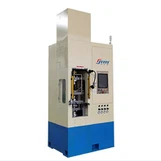
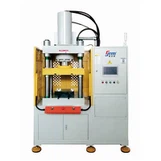
Hey there! As a supplier of Electric Over Hydraulic Press, I'm super excited to share with you the ins and outs of how these amazing machines work. So, let's dive right in!
Basics of an Electric Over Hydraulic Press
First off, what's an Electric Over Hydraulic Press? Well, it's a type of press that combines the power of electricity and hydraulics to get the job done. You can check out more about it on our website Electric Over Hydraulic Press. These presses are used in a wide range of industries, from manufacturing to automotive, for tasks like bending, punching, and forming metal parts.
The Key Components
To understand how an Electric Over Hydraulic Press works, we need to take a look at its main components.
Electric Motor
The electric motor is like the heart of the press. It's responsible for providing the initial power. When you turn on the press, the electric motor starts running. This motor converts electrical energy into mechanical energy. It spins a shaft, which is connected to other parts of the press. The speed and power of the motor can be adjusted depending on the specific task at hand.
Hydraulic Pump
Connected to the electric motor is the hydraulic pump. The job of the hydraulic pump is to create pressure in the hydraulic system. As the electric motor spins the pump, it draws in hydraulic fluid from a reservoir. This fluid is usually a special type of oil that can handle high pressures. The pump then forces the fluid through a series of valves and pipes at high pressure.
Hydraulic Cylinder
The hydraulic cylinder is where the real action happens. It's a tube-like structure with a piston inside. When the high-pressure hydraulic fluid enters the cylinder, it pushes the piston. The piston is connected to a ram, which is the part that actually applies the force. As the piston moves, the ram moves along with it, either up or down depending on the design of the press.
Control Valves
Control valves are like the traffic cops of the hydraulic system. They regulate the flow of hydraulic fluid. By controlling the flow, they can determine the speed and force of the ram. For example, if you need a slow and steady force, the control valves will adjust the flow of fluid accordingly. There are different types of control valves, such as directional valves that control the direction of the fluid flow and pressure relief valves that prevent the system from over - pressurizing.
The Working Process
Now that we know the main components, let's go through the working process step by step.


Step 1: Power On
When you switch on the Electric Over Hydraulic Press, the electric motor starts. It begins to spin the hydraulic pump, which in turn starts drawing in hydraulic fluid from the reservoir.
Step 2: Fluid Circulation
The hydraulic pump pressurizes the fluid and sends it through the control valves. The control valves direct the fluid to the appropriate part of the hydraulic cylinder.
Step 3: Ram Movement
As the high - pressure fluid enters the hydraulic cylinder, it pushes the piston. The piston moves the ram. If it's a down - acting press, the ram moves down towards the workpiece. If it's an up - acting press, the ram moves up.
Step 4: Applying Force
Once the ram makes contact with the workpiece, it applies a huge amount of force. This force can be adjusted by changing the pressure of the hydraulic fluid, which is controlled by the valves. The force is used to perform operations like stamping, forging, or pressing parts together.
Step 5: Return Stroke
After the operation is completed, the control valves reverse the flow of hydraulic fluid. This causes the piston to move in the opposite direction, bringing the ram back to its original position. The fluid then returns to the reservoir, ready for the next cycle.
Advantages of Electric Over Hydraulic Presses
There are several reasons why Electric Over Hydraulic Presses are so popular.
Precise Control
One of the biggest advantages is the precise control they offer. You can easily adjust the force, speed, and stroke length of the ram. This makes them ideal for tasks that require high precision, such as manufacturing small, delicate parts.
High Force Capacity
These presses can generate a tremendous amount of force. They can handle heavy - duty tasks that other types of presses might struggle with. Whether you're working with thick metal sheets or large components, an Electric Over Hydraulic Press can get the job done.
Energy Efficiency
Compared to some other types of presses, Electric Over Hydraulic Presses are relatively energy - efficient. The electric motor only runs when it's needed, and the hydraulic system can be optimized to use the minimum amount of energy required for the task.
Comparison with Other Types of Presses
Let's take a quick look at how Electric Over Hydraulic Presses compare with other types of presses.
4 Post Hydraulic Press
A 4 Post Hydraulic Press is another popular type of hydraulic press. It has four vertical columns that support the structure. While both Electric Over Hydraulic Presses and 4 Post Hydraulic Presses use hydraulic power, the 4 Post Hydraulic Press is often larger and more suitable for very heavy - duty applications. It provides more stability and can handle larger workpieces. However, Electric Over Hydraulic Presses are more versatile and can be used for a wider range of tasks, especially those that require more precise control.
Air Operated Hydraulic Press
An Air Operated Hydraulic Press uses compressed air to power the hydraulic pump instead of an electric motor. These presses are often used in environments where electricity is not readily available or where there are safety concerns. However, they generally have a lower force capacity compared to Electric Over Hydraulic Presses. Electric Over Hydraulic Presses offer more consistent power and can be more easily integrated into automated production lines.
Applications in Different Industries
Electric Over Hydraulic Presses are used in a variety of industries.
Manufacturing
In the manufacturing industry, these presses are used for forming, bending, and stamping metal parts. They can create complex shapes with high precision, which is crucial for products like automotive components, aerospace parts, and consumer electronics.
Automotive
In the automotive industry, Electric Over Hydraulic Presses are used for tasks such as pressing bearings, assembling engine parts, and forming body panels. The ability to apply a large amount of force accurately makes them essential for mass - producing high - quality automotive components.
Construction
In construction, these presses can be used for tasks like straightening steel beams, compressing concrete blocks, and forming metal brackets. They provide the power needed to work with large and heavy construction materials.
Maintenance and Safety
To keep your Electric Over Hydraulic Press running smoothly, regular maintenance is essential. You need to check the hydraulic fluid level regularly and change it according to the manufacturer's recommendations. Also, inspect the hoses, valves, and seals for any signs of wear or leakage.
Safety is also a top priority. Always follow the safety guidelines provided by the manufacturer. Make sure operators are properly trained to use the press. Use safety guards to prevent accidental contact with moving parts.
Conclusion
So, there you have it! That's the working principle of an Electric Over Hydraulic Press. These machines are a perfect combination of electricity and hydraulics, offering precise control, high force capacity, and energy efficiency. Whether you're in the manufacturing, automotive, or construction industry, an Electric Over Hydraulic Press can be a valuable addition to your production line.
If you're interested in purchasing an Electric Over Hydraulic Press or have any questions about our products, don't hesitate to reach out. We're here to help you find the right press for your specific needs. Let's start a conversation and see how we can make your production process more efficient and productive.
References
- "Hydraulic Systems Handbook" by John F. Watson
- "Industrial Presses: Design and Operation" by David S. Roper