In the dynamic landscape of the packaging industry, the pursuit of efficiency, precision, and cost - effectiveness is relentless. As a trusted supplier of 20 - ton hydraulic presses, I am often asked whether these powerful machines can be effectively utilized in the packaging sector. In this blog, we will explore the potential applications, benefits, and considerations of using a 20 - ton hydraulic press for packaging operations.
Understanding the 20 - Ton Hydraulic Press
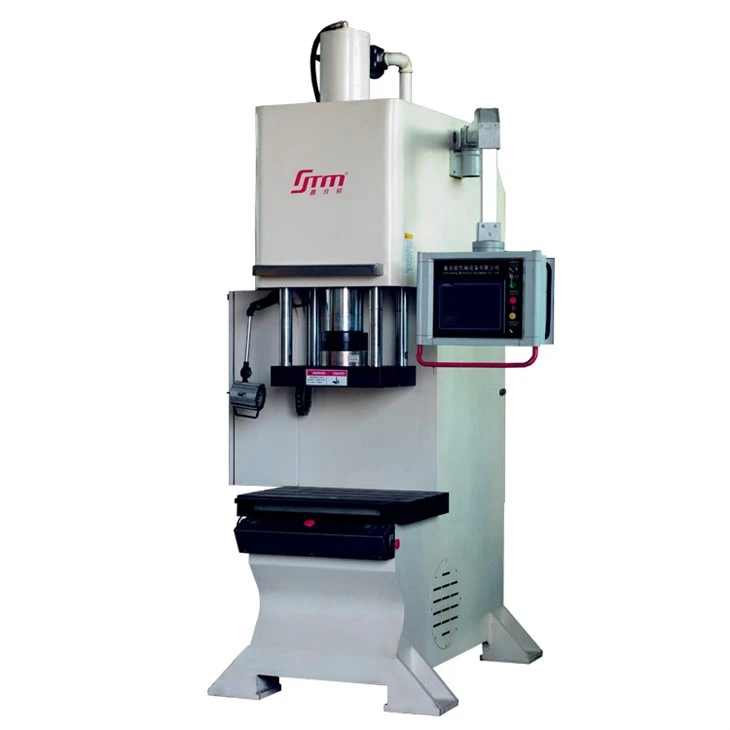
Before delving into its applications in the packaging industry, it's essential to understand what a 20 - ton hydraulic press is. A hydraulic press works on the principle of Pascal's law, which states that when pressure is applied to a confined fluid, the pressure change occurs throughout the entire fluid. In a 20 - ton hydraulic press, a hydraulic cylinder generates a force equivalent to 20 tons, which can be used to perform various tasks.
These presses come in different configurations, such as the 4 Post Hydraulic Press, which offers enhanced stability and precision, making it suitable for a wide range of applications. There are also Hot Hydraulic Press variants that can be used when heat is required during the pressing process.
Potential Applications in the Packaging Industry
1. Forming and Molding of Packaging Materials
One of the primary applications of a 20 - ton hydraulic press in the packaging industry is the forming and molding of packaging materials. For example, it can be used to create custom - shaped boxes or containers from materials like cardboard, plastic, or composite materials. The high force exerted by the press can precisely shape these materials, ensuring a consistent and high - quality end product.
In the case of plastic packaging, a 20 - ton hydraulic press can be used in thermoforming processes. By heating the plastic sheet and then applying pressure with the press, it can be molded into various shapes, such as blister packs or clamshell containers. This process is highly efficient and can produce large quantities of packaging in a relatively short time.

2. Compression of Packaging Products
Another important application is the compression of packaging products. For instance, in the case of foam - based packaging materials, a 20 - ton hydraulic press can be used to compress the foam to reduce its volume during storage and transportation. This not only saves space but also reduces shipping costs.
Similarly, for products like paperboard packaging, the press can be used to compress the layers of paperboard to increase its strength and durability. This is particularly useful for heavy - duty packaging applications where the packaging needs to withstand significant stress during handling and shipping.
3. Stamping and Marking
Stamping Presses are also a common use case in the packaging industry. A 20 - ton hydraulic press can be equipped with stamping tools to imprint logos, product information, or barcodes on packaging materials. This provides a cost - effective and efficient way to brand and label packaging products. The high force of the press ensures clear and sharp imprints, even on thick or rigid materials.
Benefits of Using a 20 - Ton Hydraulic Press in the Packaging Industry
1. High Precision
Hydraulic presses offer a high level of precision in their operations. The force can be accurately controlled, allowing for consistent results in forming, molding, and stamping processes. This precision is crucial in the packaging industry, where the quality and appearance of the packaging can significantly impact the product's marketability.
2. Versatility
A 20 - ton hydraulic press is a versatile machine that can be used with a wide range of materials and for various packaging applications. Whether it's working with cardboard, plastic, foam, or metal components in packaging, the press can be adapted to meet different requirements. This versatility makes it a valuable asset for packaging manufacturers who need to produce a diverse range of products.
3. Cost - Effectiveness
In the long run, using a 20 - ton hydraulic press can be cost - effective for packaging operations. The high production speed and efficiency of the press mean that more products can be produced in less time, reducing labor costs. Additionally, the ability to reuse and recycle the tools used in the press further lowers the overall production cost.
4. Durability
Hydraulic presses are known for their durability and long service life. With proper maintenance, a 20 - ton hydraulic press can operate reliably for many years, providing a stable and consistent production solution for packaging manufacturers. This reduces the need for frequent equipment replacement and minimizes downtime due to equipment failure.
Considerations When Using a 20 - Ton Hydraulic Press in the Packaging Industry
1. Safety
Safety is of utmost importance when operating a 20 - ton hydraulic press. The high force generated by the press can cause serious injuries if not handled properly. Packaging manufacturers need to ensure that their operators are well - trained in the safe operation of the press and that appropriate safety measures, such as guards and emergency stop buttons, are in place.
2. Maintenance
Regular maintenance is essential to keep the hydraulic press in optimal working condition. This includes checking the hydraulic fluid levels, inspecting the seals and hoses for leaks, and lubricating the moving parts. Failure to perform regular maintenance can lead to reduced performance, increased wear and tear, and even equipment failure.
3. Space Requirements
A 20 - ton hydraulic press is a relatively large piece of equipment and requires sufficient space for installation and operation. Packaging manufacturers need to carefully plan their production layout to accommodate the press and ensure that there is enough space for material handling and operator movement.
Conclusion
In conclusion, a 20 - ton hydraulic press has significant potential in the packaging industry. Its ability to perform tasks such as forming, molding, compression, and stamping makes it a versatile and valuable tool for packaging manufacturers. The benefits of high precision, versatility, cost - effectiveness, and durability make it an attractive option for those looking to improve their packaging production processes.
However, it's important to consider the safety, maintenance, and space requirements when using a 20 - ton hydraulic press. By addressing these considerations, packaging manufacturers can maximize the benefits of this powerful machine and enhance their competitiveness in the market.
If you are in the packaging industry and are interested in exploring how a 20 - ton hydraulic press can improve your production processes, I encourage you to reach out for a detailed discussion. We can provide you with more information on our products and how they can be customized to meet your specific needs. Let's work together to take your packaging operations to the next level.
References
- "Hydraulic Press Technology Handbook", Industry Press Publications
- "Packaging Materials and Processes: An Introduction", Wiley - Blackwell Publishing