Hey there! As a supplier of 30 - ton presses, I often get asked if these bad boys can be used for hot pressing. Well, let's dive right in and find out.
What is Hot Pressing?
First off, we need to understand what hot pressing is all about. Hot pressing is a manufacturing process where heat and pressure are applied simultaneously to a material. This is typically done in a die, and the goal is to shape the material, improve its density, and enhance its mechanical properties. It's commonly used for materials like ceramics, composites, and certain metals.
The heat softens the material, making it more malleable, and the pressure helps to compact the material and force it into the desired shape. The temperature and pressure used in hot pressing can vary widely depending on the material being processed.
Can a 30 - Ton Press be Used for Hot Pressing?
The short answer is yes, a 30 - ton press can be used for hot pressing, but it depends on several factors.
Material Type
The type of material you want to hot - press plays a huge role. For some soft materials like certain polymers or low - melting - point alloys, a 30 - ton press might be more than sufficient. These materials don't require extremely high pressures to deform and shape during the hot - pressing process.
For example, if you're working with a thermoplastic polymer, a 30 - ton press can apply enough pressure at the appropriate temperature to mold the polymer into a specific shape. The heat will melt the polymer, and the 30 - ton force can push it into the die cavity.
On the other hand, if you're dealing with hard materials like high - strength ceramics or some refractory metals, a 30 - ton press might not cut it. These materials often require much higher pressures to achieve the desired density and shape. They have strong atomic bonds and high melting points, so you'll need a press with more oomph to force them into the right form.
Size of the Workpiece
The size of the workpiece you're hot - pressing is another crucial factor. If you're working with small - scale components, a 30 - ton press can do an excellent job. The pressure is concentrated over a relatively small area, which means you can achieve high pressure per unit area.
For instance, if you're making small ceramic inserts for cutting tools, the 30 - ton press can provide enough pressure to sinter the ceramic particles together at high temperatures. But if you're trying to hot - press a large sheet of composite material or a big block of metal, the pressure from a 30 - ton press might be spread too thin over the large surface area. In this case, you'll need a press with a higher tonnage to ensure uniform pressure distribution across the entire workpiece.
Advantages of Using a 30 - Ton Press for Hot Pressing
If the material and workpiece size are right, there are several advantages to using a 30 - ton press for hot pressing.
Cost - Effective
A 30 - ton press is generally more affordable compared to larger, high - tonnage presses. This makes it a great option for small to medium - sized businesses or for those just starting out in hot - pressing operations. You can get into the hot - pressing game without breaking the bank.
Space - Saving
These presses are usually smaller in size, which means they don't take up as much floor space in your workshop. If you're working with limited space, a 30 - ton press can be a practical choice. You can set it up in a corner and still have room for other equipment.
Versatility
A 30 - ton press can be used for a variety of hot - pressing applications, as long as the material and size requirements are met. You can switch between different materials and workpiece sizes relatively easily, making it a versatile tool in your manufacturing arsenal.

Our 30 - Ton Press Offerings
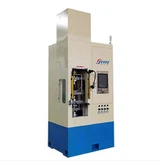
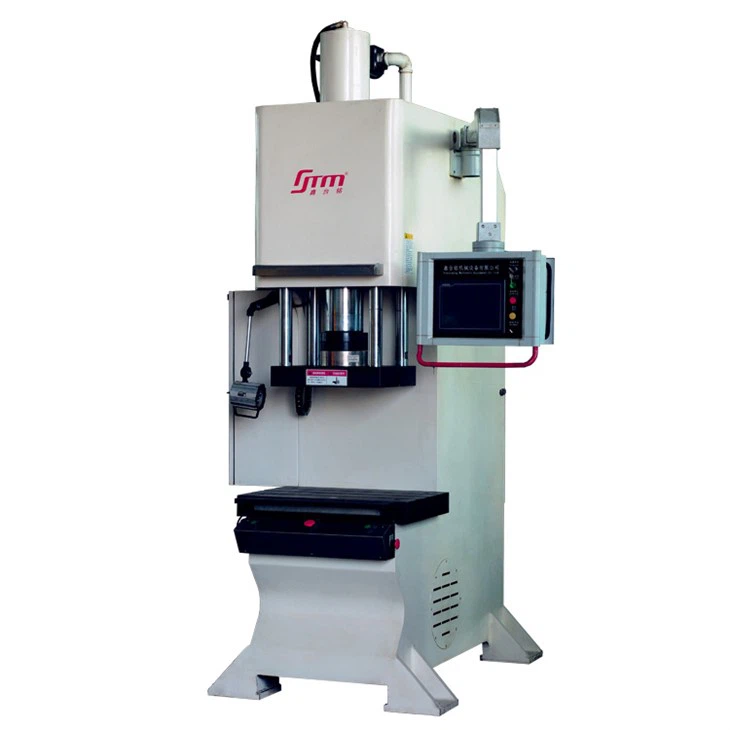
As a 30 - ton press supplier, we've got a great range of presses that can be used for hot pressing. Our presses are built with high - quality components to ensure reliable performance and long - term durability.
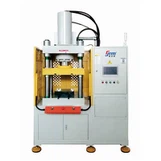
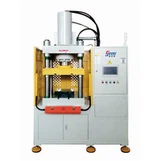
We also offer different types of 30 - ton presses to suit your specific needs. If you're looking for a compact and easy - to - use press, check out our Small Hydraulic Press. It's perfect for small - scale hot - pressing operations.
For those who need a press tailored to their unique requirements, we have Customized Hydraulic Press. Our team of experts can work with you to design and build a press that meets your exact specifications.
And if precision is your top priority, our Precision Hydraulic Press is the way to go. It offers accurate pressure control and consistent performance, which is essential for high - quality hot - pressing results.
How to Make the Most of a 30 - Ton Press for Hot Pressing
If you decide to use a 30 - ton press for hot pressing, here are some tips to get the best results.
Proper Heating System
Invest in a good heating system. The temperature control is crucial in hot pressing. You need to make sure the material reaches and maintains the right temperature throughout the process. Our presses can be integrated with various heating systems to ensure precise temperature management.
Die Design
The design of the die is very important. It should be able to withstand the pressure and temperature of the hot - pressing process. Also, the die should be designed in a way that allows for easy removal of the finished workpiece.
Safety Precautions
Hot pressing involves high temperatures and pressures, so safety is of utmost importance. Make sure your operators are trained on how to use the press safely. Provide them with appropriate safety gear, such as heat - resistant gloves and goggles.
Conclusion
In conclusion, a 30 - ton press can definitely be used for hot pressing, but you need to consider the material type, workpiece size, and the specific requirements of your application. As a supplier, we're here to help you find the right 30 - ton press for your hot - pressing needs.
If you're interested in learning more about our 30 - ton presses or have any questions about using them for hot pressing, don't hesitate to reach out. We're always ready to assist you with your procurement and answer any technical queries. Let's have a chat and see how we can work together to meet your manufacturing goals.
References
Callister, W. D., & Rethwisch, D. G. (2018). Materials Science and Engineering: An Introduction. Wiley.
ASM Handbook Committee. (2008). ASM Handbook, Volume 22B: Fundamentals of Modeling for Metals Processing. ASM International.