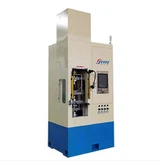
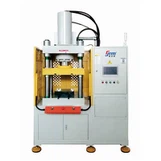
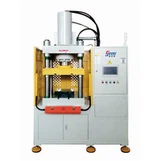
Hey there! As a supplier of 55 Ton Hydraulic Presses, I often get asked about the vibration level of these machines during operation. It's a crucial aspect that can impact not only the performance of the press but also the surrounding environment and the quality of the work being done. So, let's dive right in and explore what the vibration level of a 55 Ton Hydraulic Press is all about.
First off, what causes vibrations in a hydraulic press? Well, there are a few factors at play. When the press is in operation, the hydraulic system generates pressure to move the ram and perform the pressing action. This sudden movement and the force exerted can create vibrations. Additionally, the mechanical components of the press, such as the gears, bearings, and pistons, can also contribute to vibrations as they move and interact with each other.
Now, the vibration level of a 55 Ton Hydraulic Press can vary depending on several factors. One of the most significant factors is the design and construction of the press itself. A well - designed press with high - quality components and a sturdy frame is likely to have lower vibration levels. For example, presses that are built with a heavy - duty frame can better absorb and dampen the vibrations generated during operation.
The type of work being done on the press also affects the vibration level. If the press is used for light - duty tasks, such as pressing small parts or performing low - force operations, the vibration level will generally be lower. On the other hand, if it's used for heavy - duty tasks like forging or stamping thick materials, the vibrations will be more intense.
Another factor is the condition of the press. Over time, wear and tear on the components can increase the vibration level. For instance, if the bearings are worn out or the hydraulic seals are leaking, it can cause the press to vibrate more than normal. Regular maintenance and inspections are essential to keep the vibration level in check.
So, what is an acceptable vibration level for a 55 Ton Hydraulic Press? There isn't a one - size - fits - all answer to this question. However, industry standards generally recommend keeping the vibration within a certain range to ensure the safety and efficiency of the press. Excessive vibrations can lead to several problems. It can cause premature wear and tear on the components, which means more frequent repairs and replacements. It can also affect the accuracy of the pressing operation, leading to poor - quality products. In some cases, high vibrations can even pose a safety risk to the operators.
To measure the vibration level of a 55 Ton Hydraulic Press, specialized vibration sensors can be used. These sensors can detect the amplitude, frequency, and direction of the vibrations. By analyzing the data collected from these sensors, technicians can determine if the vibration level is within the acceptable range and take appropriate measures if necessary.
If the vibration level is found to be too high, there are several steps that can be taken to reduce it. One option is to adjust the hydraulic system. This can involve adjusting the pressure settings, flow rates, or the timing of the hydraulic valves. Another approach is to add vibration - damping materials to the press. These materials can absorb the vibrations and reduce their impact on the machine and the surrounding environment.
Now, let me tell you a bit about our 55 Ton Hydraulic Presses. We've put a lot of effort into designing and manufacturing these presses to minimize vibration levels. Our presses are built with a robust frame that provides excellent stability. We use high - quality hydraulic components that are precision - engineered to work smoothly and reduce vibrations. And of course, we offer comprehensive maintenance services to ensure that our presses continue to perform at their best over time.
In addition to our 55 Ton Hydraulic Presses, we also offer a range of other hydraulic presses. If you're looking for an Air Operated Hydraulic Press, we've got you covered. These presses are great for applications where you need a more compact and portable solution. And if you need a smaller press, our 20 Ton Floor Press is a reliable option. For those who require a press for high - temperature applications, our Hot Hydraulic Press is designed to handle the heat.
If you're in the market for a hydraulic press, whether it's a 55 Ton Hydraulic Press or one of our other models, we'd love to have a chat with you. We can provide you with more detailed information about the vibration levels, performance, and features of our presses. We can also help you choose the right press for your specific needs. So, don't hesitate to reach out to us for a friendly and informative discussion about your hydraulic press requirements.


In conclusion, understanding the vibration level of a 55 Ton Hydraulic Press is crucial for ensuring its optimal performance, longevity, and the quality of the work it produces. By taking the right measures to control and reduce vibrations, you can get the most out of your press and avoid costly problems down the line. Whether you're a small - scale manufacturer or a large - scale industrial operation, we're here to provide you with the best hydraulic press solutions.
References
- "Hydraulic Press Design and Operation" - A technical guide on hydraulic press engineering
- Industry standards for hydraulic press vibration levels published by relevant manufacturing associations