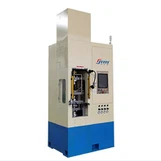
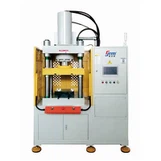
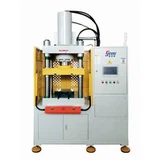
When it comes to industrial equipment, a 30 Ton Press is a powerful and crucial machine. As a supplier of 30 Ton Presses, I often receive inquiries about various aspects of these presses, and one question that frequently pops up is, "What is the weight of a 30 Ton Press?"
Understanding the Concept of a 30 Ton Press
Before delving into the weight of a 30 Ton Press, it's essential to understand what a 30 Ton Press means. The "30 Ton" refers to the press capacity, which indicates the maximum force that the press can exert. This force is used for a variety of industrial applications, such as metal forming, punching, bending, and assembly. The high capacity makes it suitable for heavy - duty tasks in manufacturing plants, workshops, and industrial settings.
Factors Affecting the Weight of a 30 Ton Press
The weight of a 30 Ton Press can vary significantly depending on several factors.
Structural Design
The design of the press plays a major role in determining its weight. Presses with a more robust and heavy - duty frame structure will naturally weigh more. For example, a press with a large, thick - walled steel frame designed to withstand high - stress operations during the pressing process will be heavier compared to a press with a more lightweight frame. A well - designed frame is crucial to ensure the stability and accuracy of the press during operation, but it also adds to the overall weight.
Components and Accessories
The components and accessories included in the 30 Ton Press also influence its weight. Hydraulic systems, which are commonly used in these presses, consist of pumps, cylinders, valves, and hydraulic fluid. These components can be quite heavy, especially in a high - capacity press like a 30 Ton one. Additionally, if the press is equipped with advanced control systems, sensors, and safety devices, these will add to the overall weight. For instance, a press with a sophisticated programmable logic controller (PLC) for precise operation control and a comprehensive safety guard system will be heavier than a basic model.
Type of Press
There are different types of 30 Ton Presses, such as mechanical presses and hydraulic presses. Hydraulic presses generally tend to be heavier due to the presence of the hydraulic system. The hydraulic cylinders, which are responsible for generating the pressing force, are often large and heavy. In contrast, mechanical presses rely on mechanical linkages and flywheels to generate force, and while they can also be heavy, their weight distribution and overall mass may be different from hydraulic presses.
Typical Weight Range of a 30 Ton Press
Based on my experience as a supplier, the weight of a 30 Ton Press can typically range from around 2,000 kilograms (about 4,400 pounds) to 5,000 kilograms (about 11,000 pounds). A more basic, lightweight 30 Ton Press with a simple design and fewer accessories may be on the lower end of this range. These presses are suitable for smaller workshops or applications where space and portability are considerations.
On the other hand, a high - end, heavy - duty 30 Ton Press with advanced features, a large and sturdy frame, and a comprehensive set of components can weigh up to 5,000 kilograms or more. These presses are often used in large - scale manufacturing facilities where high - precision and high - volume production are required.
Importance of Knowing the Weight
Understanding the weight of a 30 Ton Press is crucial for several reasons.
Installation
The weight of the press is a key factor during the installation process. A heavy press requires a solid and stable foundation to support its weight. If the foundation is not properly designed and constructed, it can lead to problems such as uneven settling, which can affect the accuracy and performance of the press. For example, if a 5,000 - kilogram press is installed on an inadequate foundation, the press may tilt or shift during operation, resulting in inaccurate pressing results and potential damage to the press and the workpieces.
Transportation
Transporting a 30 Ton Press also depends on its weight. Heavier presses may require specialized transportation equipment, such as large trucks or cranes. In addition, the weight may also affect the shipping cost. Some transportation companies charge based on the weight and size of the cargo. Therefore, knowing the weight in advance helps in planning the transportation logistics and budgeting for the shipping expenses.
Space Requirements
The weight of the press is related to its size and the space it occupies. A heavier press usually has a larger physical footprint, which means more space is needed in the workshop. This is important for workshop layout planning to ensure that there is enough space for the press, as well as for the movement of workers and materials around it.
Other Related Presses in Our Product Line
In addition to the 30 Ton Press, we also offer a range of other presses to meet different customer needs. Our 20 Ton Floor Press is a great option for applications that require a lower pressing capacity. It is more compact and lightweight compared to the 30 Ton Press, making it suitable for smaller workshops or for tasks that do not require a high - force operation.
For customers with specific requirements, we also provide Customized Hydraulic Press services. We can design and manufacture presses according to the customer's specifications, including the pressing capacity, size, and features. This allows customers to get a press that perfectly fits their production needs.


Another type of press we offer is the Air Operated Hydraulic Press. These presses are powered by compressed air and are known for their fast - acting and efficient operation. They are suitable for applications where quick and repeated pressing actions are required.
Contact Us for Purchase and Consultation
If you are interested in our 30 Ton Press or any of our other products, we encourage you to contact us for more information. Our team of experts is ready to assist you in choosing the right press for your specific application. Whether you need detailed product specifications, installation guidance, or pricing information, we are here to help. We understand that every customer's needs are unique, and we are committed to providing high - quality products and excellent customer service. So, don't hesitate to reach out to us and start the process of enhancing your production capabilities with our reliable presses.
References
- Industrial Press Handbook: A comprehensive guide to the design, operation, and maintenance of industrial presses.
- Hydraulic System Design Principles: A resource for understanding the components and functions of hydraulic systems in presses.
- Press Manufacturing Standards and Guidelines: Documents that outline the industry - standard requirements for the manufacturing of presses.