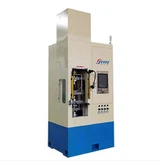
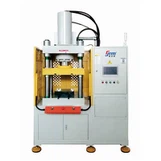
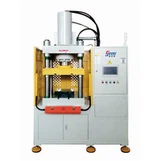
In the dynamic world of manufacturing and packaging, the quest for efficient and effective processing methods is a constant. One technology that has been gaining significant attention is the hot hydraulic press. As a leading supplier of Hot Hydraulic Press, I am often asked if a hot hydraulic press can be used for packaging material processing. In this blog post, I will delve into this question, exploring the capabilities, advantages, and potential applications of hot hydraulic presses in the packaging industry.
Understanding Hot Hydraulic Presses
Before we discuss their use in packaging material processing, let's first understand what hot hydraulic presses are. A hot hydraulic press is a machine that uses hydraulic pressure to apply a large amount of force to a workpiece. The "hot" aspect refers to the ability to heat the platens or dies of the press, which can be crucial for certain manufacturing processes.
Hot hydraulic presses are known for their precision, power, and versatility. They can be used for a wide range of applications, including molding, laminating, embossing, and forming. The hydraulic system allows for precise control of the force applied, ensuring consistent results. The heating element, on the other hand, enables the processing of materials that require elevated temperatures to achieve the desired properties.
Can a Hot Hydraulic Press be Used for Packaging Material Processing?
The short answer is yes. Hot hydraulic presses can be effectively used for packaging material processing, and they offer several advantages over traditional processing methods.
1. Molding and Shaping
One of the primary applications of hot hydraulic presses in packaging material processing is molding and shaping. Many packaging materials, such as plastics, rubber, and composites, can be molded into specific shapes using a hot hydraulic press. The heated platens or dies soften the material, allowing it to take the shape of the mold. Once the material cools and solidifies, it retains its new shape.
For example, hot hydraulic presses can be used to create custom-shaped packaging containers, such as blister packs, trays, and boxes. The ability to produce complex shapes with high precision makes hot hydraulic presses an ideal choice for manufacturers looking to differentiate their products in the market.
2. Laminating
Laminating is another important process in packaging material processing. Laminating involves bonding two or more layers of materials together to create a single, stronger material. Hot hydraulic presses can be used to apply heat and pressure simultaneously, ensuring a strong bond between the layers.
This process is commonly used to create flexible packaging materials, such as laminated films and foils. The high pressure applied by the hot hydraulic press helps to eliminate air bubbles and ensure a uniform bond, resulting in a high-quality packaging material.
3. Embossing
Embossing is a decorative process that adds texture or pattern to the surface of a packaging material. Hot hydraulic presses can be used to emboss patterns onto materials such as paper, cardboard, and plastic films. The heated dies or platens transfer the pattern onto the material, creating a raised or recessed effect.
Embossing can enhance the aesthetic appeal of packaging materials, making them more attractive to consumers. It can also be used to add branding or product information to the packaging, increasing brand recognition.
4. Forming
Hot hydraulic presses can also be used for forming packaging materials. For example, they can be used to form corrugated cardboard into boxes or other packaging structures. The heat and pressure applied by the press help to shape the cardboard, making it more rigid and durable.
This process is commonly used in the manufacturing of shipping boxes, where strength and durability are essential. The ability to form cardboard into custom shapes and sizes using a hot hydraulic press allows manufacturers to optimize the use of materials and reduce waste.

Advantages of Using a Hot Hydraulic Press for Packaging Material Processing
There are several advantages to using a hot hydraulic press for packaging material processing:
1. Precision and Consistency
Hot hydraulic presses offer precise control over the force and temperature applied during the processing. This ensures consistent results, making it easier to meet quality standards and produce high-quality packaging materials.
2. Versatility
As mentioned earlier, hot hydraulic presses can be used for a wide range of packaging material processing applications, including molding, laminating, embossing, and forming. This versatility makes them a valuable investment for manufacturers who need to process different types of packaging materials.
3. Efficiency
Hot hydraulic presses can process materials quickly and efficiently. The high pressure and temperature applied by the press reduce processing times, increasing productivity and reducing costs.
4. Quality
The use of heat and pressure in hot hydraulic presses helps to improve the quality of the packaging materials. The strong bonds created during laminating, the precise shapes formed during molding, and the clear patterns embossed onto the materials all contribute to the overall quality of the packaging.
Considerations When Using a Hot Hydraulic Press for Packaging Material Processing
While hot hydraulic presses offer many advantages for packaging material processing, there are also some considerations to keep in mind:
1. Material Compatibility
Not all packaging materials are suitable for processing using a hot hydraulic press. Some materials may melt, burn, or deform under the high temperatures and pressures applied by the press. It is important to select materials that are compatible with the hot hydraulic press process.
2. Equipment Cost
Hot hydraulic presses can be expensive to purchase and maintain. Manufacturers need to consider the initial investment cost, as well as the ongoing maintenance and operating costs, before deciding to use a hot hydraulic press for packaging material processing.
3. Safety
Working with hot hydraulic presses can be dangerous if proper safety precautions are not taken. Operators need to be trained on how to use the equipment safely, and appropriate safety measures, such as guards and emergency stop buttons, need to be in place.
Other Types of Hydraulic Presses for Packaging Material Processing
In addition to hot hydraulic presses, there are other types of hydraulic presses that can be used for packaging material processing:
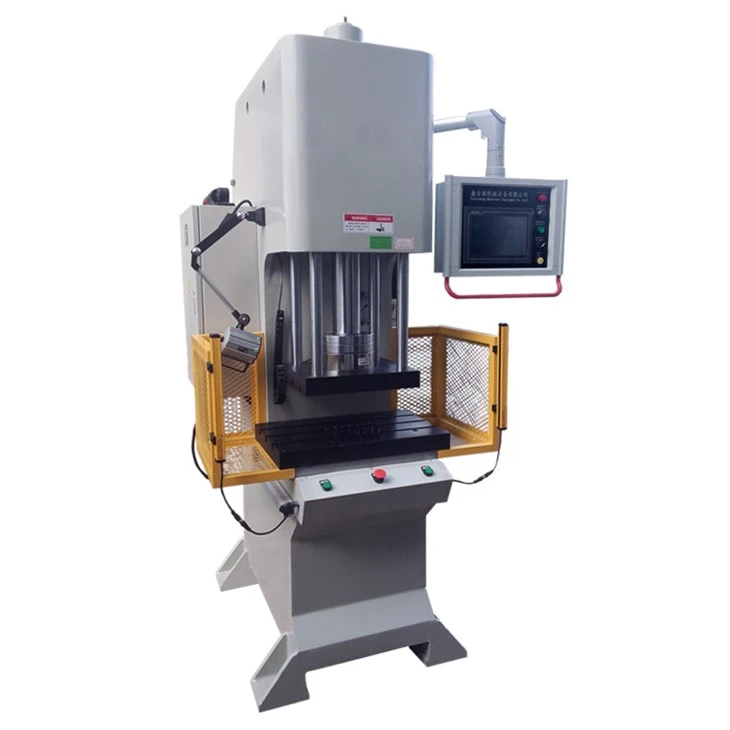
C Frame Press
C frame presses are a type of hydraulic press that has a C-shaped frame. They are known for their compact size and versatility. C frame presses can be used for a variety of packaging material processing applications, such as punching, bending, and riveting.
Portable Hydraulic Bushing Press
Portable hydraulic bushing presses are designed for easy transportation and use in various locations. They are commonly used for small-scale packaging material processing tasks, such as pressing bushings and bearings into place.
Conclusion
In conclusion, a hot hydraulic press can be a valuable tool for packaging material processing. Its ability to apply heat and pressure precisely makes it suitable for a wide range of applications, including molding, laminating, embossing, and forming. By using a hot hydraulic press, manufacturers can achieve high-quality packaging materials with consistent results, improve efficiency, and enhance the aesthetic appeal of their products.
However, it is important to consider the material compatibility, equipment cost, and safety aspects before investing in a hot hydraulic press. Additionally, other types of hydraulic presses, such as C frame presses and portable hydraulic bushing presses, can also be used for packaging material processing depending on the specific requirements of the application.
If you are interested in learning more about how a hot hydraulic press can benefit your packaging material processing operations, or if you have any questions about our products, we encourage you to contact us for a detailed discussion. Our team of experts is ready to assist you in finding the right solution for your needs.
References
- “Hydraulic Presses: Principles and Applications.” Manufacturing Technology Handbook.
- “Packaging Materials and Their Processing.” Handbook of Packaging Technology.