

Hey there! I'm a supplier of 55 Ton Hydraulic Presses, and I often get asked about how to adjust the pressure of these powerful machines. In this blog post, I'll share some practical tips and insights on this topic.
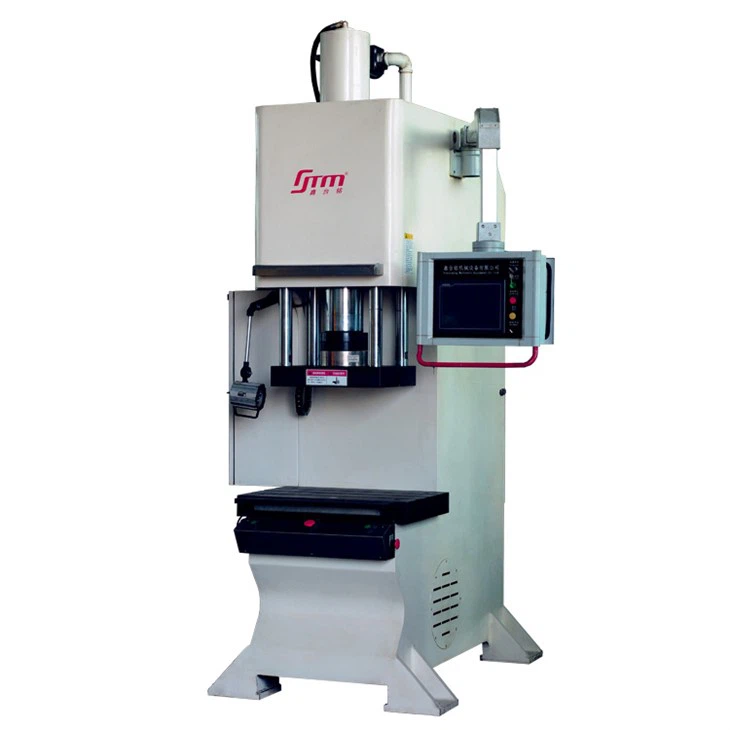
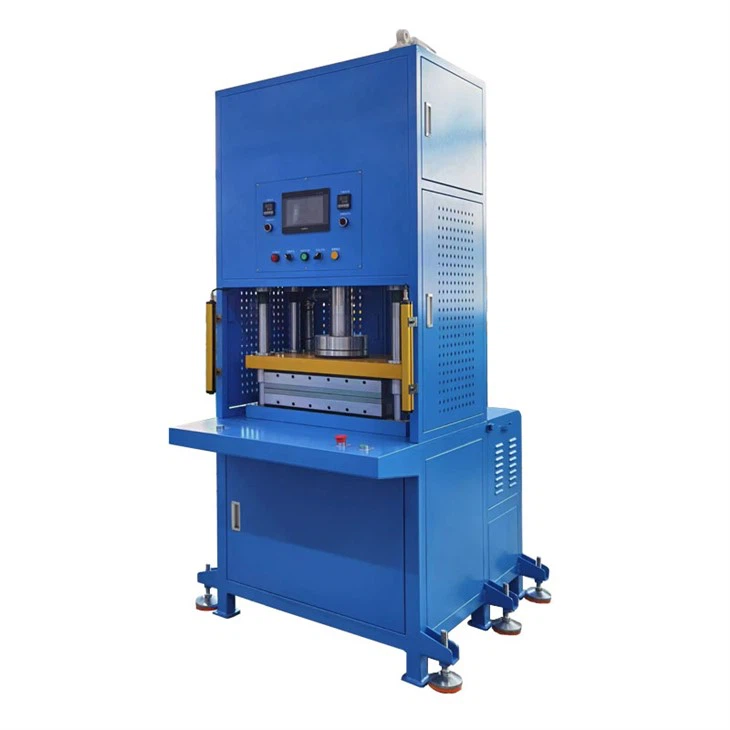
First off, let's understand why adjusting the pressure of a 55 Ton Hydraulic Press is important. Different jobs require different levels of pressure. For instance, if you're working on a delicate stamping task, you'll need a lower pressure to avoid damaging the material. On the other hand, for heavy-duty forging or molding operations, a higher pressure might be necessary.
Understanding the Basics of Pressure Adjustment
Before we dive into the adjustment process, it's crucial to know a bit about how the hydraulic system in a 55 Ton Hydraulic Press works. The press uses hydraulic fluid to generate force. The pressure in the system is controlled by a pump, valves, and a pressure gauge.
The pump is responsible for pushing the hydraulic fluid into the system. The valves regulate the flow of the fluid and determine how much pressure is applied to the ram. The pressure gauge shows you the current pressure level in the system.
Step-by-Step Pressure Adjustment
1. Safety First
Before you start adjusting the pressure, make sure the press is turned off and disconnected from the power source. This will prevent any accidental movement of the ram and keep you safe. Also, wear appropriate safety gear, like gloves and safety glasses.
2. Locate the Pressure Adjustment Valve
Most 55 Ton Hydraulic Presses have a pressure adjustment valve. This valve is usually located near the pump or on the control panel. It might be a handwheel, a screw, or a lever, depending on the design of the press.
3. Check the Pressure Gauge
Look at the pressure gauge to see the current pressure level. This will give you a starting point for your adjustment. If you're not sure what the ideal pressure should be for your specific job, refer to the machine's manual or consult with an expert.
4. Make Small Adjustments
Turn the pressure adjustment valve slowly in the appropriate direction. If you want to increase the pressure, turn the valve clockwise. To decrease the pressure, turn it counterclockwise. Make small adjustments at a time, and then check the pressure gauge again.
5. Test the Press
Once you've made an adjustment, turn on the press and run a test cycle. Observe how the press performs and whether the pressure is suitable for your task. If it's still not right, repeat the adjustment process until you get the desired pressure level.
Factors Affecting Pressure Adjustment
1. Material Type
Different materials require different pressure levels. For example, soft materials like plastics or rubber might need less pressure, while hard metals like steel or titanium will need more. Consider the material you're working with when adjusting the pressure.
2. Job Requirements
The specific job you're doing also plays a role in determining the pressure. If you're doing a simple bending operation, you might need less pressure compared to a complex forming or stamping job.
3. Machine Condition
The condition of the press can affect the pressure adjustment. If the hydraulic system has leaks or the seals are worn out, it might be difficult to maintain a stable pressure. Regular maintenance and inspections are essential to keep the press in good working condition.
Troubleshooting Pressure Issues
1. Pressure Too High
If the pressure is too high, it could be due to a blocked valve, a malfunctioning pump, or an incorrect adjustment. Check the valves for any blockages and make sure they're functioning properly. If the pump is the problem, it might need to be repaired or replaced.
2. Pressure Too Low
A low pressure could be caused by a leak in the hydraulic system, a worn-out pump, or an improper adjustment. Look for any signs of fluid leakage and repair the leaks if necessary. If the pump is not working efficiently, it might need to be serviced.
3. Inconsistent Pressure
Inconsistent pressure can be frustrating. It could be due to air in the hydraulic system, a faulty pressure gauge, or a problem with the valves. Bleed the air out of the system to see if that solves the issue. If the pressure gauge is inaccurate, replace it.
Other Hydraulic Press Options
If you're not sure if a 55 Ton Hydraulic Press is the right fit for your needs, we also offer other options. Check out our Precision Hydraulic Press for more accurate and delicate operations. It's perfect for tasks that require high precision.
For lighter jobs, our 20 Ton Electric Hydraulic Press might be a better choice. It's more compact and energy-efficient.
And if you need a bit more power than the 20-ton press but less than the 55-ton one, our 30 Ton Press could be the solution.
Conclusion
Adjusting the pressure of a 55 Ton Hydraulic Press is not as complicated as it might seem. By following the steps I've outlined and considering the factors that affect pressure, you can ensure that your press operates at the optimal pressure for your specific tasks.
If you have any questions about pressure adjustment or are interested in purchasing a 55 Ton Hydraulic Press or any of our other products, don't hesitate to reach out. We're here to help you find the right solution for your business.
References
- Hydraulic Press Operation Manuals
- Industry Standards for Hydraulic Presses


