Hey there! As a supplier of hydraulic presses, I've seen my fair share of problems with these machines. In this blog post, I'm gonna talk about some common issues that you might run into with hydraulic presses and how to solve them.
Leaking Hydraulic Fluid
One of the most common problems with hydraulic presses is leaking hydraulic fluid. You can usually spot this by seeing puddles of fluid under the machine or noticing a drop in the fluid level in the reservoir. There are a few reasons why this might happen.
First, it could be due to worn - out seals. Over time, the seals in the hydraulic system can break down because of constant pressure and movement. For example, the piston seals in the hydraulic cylinder can wear out, allowing fluid to escape. To fix this, you need to replace the worn - out seals. It's important to get the right size and type of seals for your specific hydraulic press. You can usually find these seals from the manufacturer or a reliable hydraulic parts supplier.
Another cause of leakage could be loose fittings. The hoses and pipes in the hydraulic system are connected with fittings, and if these aren't tightened properly, fluid can leak out. Check all the fittings regularly and use a wrench to make sure they're snug. But be careful not to over - tighten them, as this can damage the fittings.
Overheating
Hydraulic presses can also overheat, which is a big problem. Overheating can cause the hydraulic fluid to break down, reducing its effectiveness and potentially damaging other components in the system.
One reason for overheating is a clogged hydraulic filter. The filter is supposed to remove dirt and debris from the fluid, but if it gets clogged, the fluid can't flow properly. This causes the system to work harder, generating more heat. To solve this, you should replace the filter regularly. Most manufacturers recommend changing the filter every few months, but it can depend on how often you use the press.
Another factor that can lead to overheating is an undersized cooling system. If your press is working hard and the cooling system can't keep up, the temperature will rise. You might need to upgrade the cooling system, like adding a larger radiator or a more powerful fan.
Inconsistent Pressure
If your hydraulic press isn't applying consistent pressure, it can be a real headache. This can lead to uneven stamping or forming, which means the parts you're making won't be up to standard.
A common cause of inconsistent pressure is air in the hydraulic system. Air can get into the system through leaks or when the fluid level is too low. To get rid of the air, you need to bleed the system. This involves opening the bleed valves and allowing the fluid to push the air out. It's a bit of a tricky process, so it's a good idea to follow the manufacturer's instructions.
Another possible reason is a malfunctioning pressure relief valve. The pressure relief valve is designed to keep the pressure in the system within a safe range. If it's not working correctly, the pressure can fluctuate. You may need to test the valve and replace it if it's faulty.
Noisy Operation
If your hydraulic press is making a lot of noise, it's not just annoying; it can also be a sign of a problem.
One source of noise could be cavitation. Cavitation happens when the pressure in the hydraulic fluid drops too low, causing bubbles to form. When these bubbles collapse, they make a loud noise and can damage the components. This can be caused by a clogged suction line or a worn - out pump. To fix this, check the suction line for blockages and replace the pump if necessary.
Loose components can also cause noise. The press has a lot of moving parts, and if any of them aren't properly secured, they can rattle around. Inspect the machine and tighten any loose bolts or nuts.
Slow Operation
A slow - moving hydraulic press can really slow down your production. There are a few things that could be causing this.
Low hydraulic fluid level is a common culprit. If the fluid level is too low, the pump can't draw in enough fluid, which means the press won't operate as quickly. Check the fluid level in the reservoir and top it up if needed. Make sure to use the right type of hydraulic fluid for your press.
A worn - out pump can also lead to slow operation. The pump is responsible for moving the fluid through the system, and if it's not working well, the whole system will be sluggish. You may need to replace the pump to get the press back up to speed.


Solutions and Where to Find Help
Now that we've talked about the common problems, let's go over some general solutions. Regular maintenance is key to preventing these issues. This includes checking the fluid level, inspecting the seals and fittings, and changing the filters.
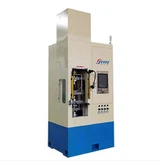
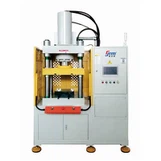
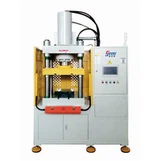
If you're in the market for a new hydraulic press or need replacement parts, we've got you covered. We offer a wide range of hydraulic presses, including Stamping Presses, 50 Ton Electric Hydraulic Press, and Industrial Hydraulic Press Machine. Our team of experts can help you choose the right machine for your needs and provide support if you run into any problems.
If you're experiencing problems with your current hydraulic press and need some advice, don't hesitate to reach out. We're here to help you keep your press running smoothly and efficiently. Whether you need a simple fix or a major overhaul, we've got the knowledge and resources to get the job done.
If you're interested in purchasing a hydraulic press or have any questions about our products, feel free to contact us. We're always happy to discuss your requirements and find the best solution for your business.
References
- Hydraulic Press Handbook, various industry publications
- Manufacturer's manuals for different hydraulic press models