Hey there! As a supplier of Hydraulic Hose Press, I've seen a lot of customers struggle with adjusting the pressure of these machines. It's a crucial part of getting the best performance out of your hydraulic hose press, and that's why I'm here to share some tips and tricks with you.
Understanding the Basics of Hydraulic Pressure
Before we dive into how to adjust the pressure, let's quickly go over what hydraulic pressure is. In simple terms, hydraulic pressure is the force that's generated by a fluid (usually oil) in a hydraulic system. This pressure is what allows your hydraulic hose press to do its job, whether it's crimping hoses or pressing materials together.
The pressure in a hydraulic hose press is measured in pounds per square inch (PSI). The right pressure for your machine depends on a few factors, like the type of hose you're working with and the specific application. Too much pressure can damage the hose, while too little pressure won't give you a proper crimp.
Tools You'll Need
To adjust the pressure of your hydraulic hose press, you'll need a few tools. First off, you'll need a pressure gauge. This is essential for accurately measuring the pressure in your system. You'll also need a wrench or a screwdriver, depending on the type of adjustment mechanism your press has.
Step-by-Step Guide to Adjusting the Pressure
Step 1: Check the Manufacturer's Recommendations
The first thing you should do is check the manufacturer's manual for your hydraulic hose press. This will give you the recommended pressure settings for different types of hoses and applications. It's important to follow these recommendations to ensure the safety and efficiency of your machine.
Step 2: Locate the Pressure Adjustment Valve
Next, you need to find the pressure adjustment valve on your hydraulic hose press. This valve is usually located near the pump or the hydraulic cylinder. It may be a knob, a screw, or a lever, depending on the design of your machine.
Step 3: Set the Initial Pressure
Once you've located the adjustment valve, start by setting the pressure to a low level. This is a safety precaution to prevent over-pressurization. You can use the pressure gauge to monitor the pressure as you make adjustments.
Step 4: Make Small Adjustments
Now, it's time to start making small adjustments to the pressure. Turn the adjustment valve slowly in the direction that increases the pressure. Keep an eye on the pressure gauge and make sure you don't exceed the recommended pressure.
Step 5: Test the Press
After making an adjustment, test the press by crimping a sample hose. Check the quality of the crimp. If the crimp is too loose, you may need to increase the pressure slightly. If it's too tight or if the hose is damaged, you'll need to decrease the pressure.
Step 6: Repeat the Process
Keep making small adjustments and testing the press until you get the perfect pressure for your application. It may take a few tries, but once you find the right setting, you'll be able to get consistent, high-quality crimps.


Common Issues and Solutions
Sometimes, you may run into some issues when adjusting the pressure of your hydraulic hose press. Here are a few common problems and how to solve them:
Problem: The Pressure Won't Increase
If you're turning the adjustment valve but the pressure isn't increasing, there could be a few reasons. First, check for any leaks in the hydraulic system. A leak can cause a loss of pressure. You should also check the pump to make sure it's working properly.
Problem: The Pressure Is Unstable
If the pressure is fluctuating or unstable, it could be due to a dirty or clogged filter. Replace the filter and see if that solves the problem. Another possible cause is air in the hydraulic system. You may need to bleed the system to remove the air.
Different Types of Hydraulic Hose Presses and Their Pressure Adjustment
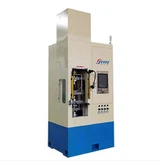
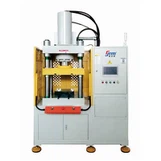
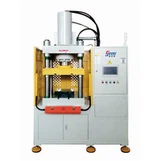
There are different types of hydraulic hose presses, and each may have a slightly different way of adjusting the pressure. For example, the 20 Ton H Frame Press is a popular choice for many applications. It usually has a straightforward pressure adjustment mechanism, often a knob or a screw that you can turn to increase or decrease the pressure.
The Hydraulic Baling Press Machine is another type of hydraulic press. This machine is used for baling materials, and the pressure adjustment may be more complex. You may need to adjust multiple valves to get the right pressure for different types of materials.
The Jet Hydraulic Press is known for its high precision. When adjusting the pressure on this type of press, you need to be very careful and make very small adjustments to ensure accurate results.
Maintenance Tips for Optimal Pressure
To keep your hydraulic hose press working at its best, regular maintenance is key. Here are some maintenance tips:
- Change the Hydraulic Oil Regularly: Over time, the hydraulic oil can break down and become contaminated. Changing the oil at the recommended intervals will help maintain the proper pressure in your system.
- Inspect the Hoses and Fittings: Check the hoses and fittings for any signs of wear or damage. A damaged hose or fitting can cause a loss of pressure.
- Keep the Machine Clean: Dirt and debris can get into the hydraulic system and cause problems. Regularly clean your hydraulic hose press to prevent this.
Conclusion
Adjusting the pressure of a hydraulic hose press may seem a bit daunting at first, but with the right tools and a little know-how, it's a manageable task. By following the steps I've outlined in this blog, you'll be able to get the perfect pressure for your applications.
If you're in the market for a new hydraulic hose press or need any advice on pressure adjustment, don't hesitate to reach out. We're here to help you make the most of your hydraulic equipment. Contact us to start a conversation about your specific needs and how we can assist you in finding the right solution.
References
- Hydraulic Systems Handbook
- Manufacturer's manuals for various hydraulic hose presses