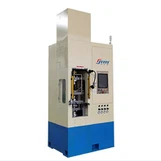
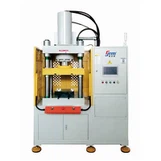
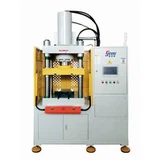
Hey there! As a supplier of hydraulic presses, I've seen firsthand how crucial it is to monitor the performance of these machines. Whether you're using a C Frame Press, an Otc 50 Ton Press, or a Small Hydraulic Press, keeping an eye on their performance can save you a lot of time, money, and headaches in the long run. In this blog post, I'll share some tips on how to effectively monitor the performance of a hydraulic press.
Understanding the Basics of Hydraulic Press Performance
Before we dive into the monitoring techniques, let's quickly go over what we mean by "performance" when it comes to hydraulic presses. The performance of a hydraulic press can be measured in several key areas:
- Force Output: This is the amount of pressure the press can generate. It's usually measured in tons or pounds and is a critical factor in determining what types of jobs the press can handle.
- Speed: How fast the press can complete a cycle, from the moment it starts to apply pressure to the moment it retracts.
- Repeatability: The ability of the press to consistently produce the same results over multiple cycles. This is important for maintaining quality control in manufacturing processes.
- Energy Efficiency: How much energy the press consumes during operation. A more energy-efficient press can save you money on electricity bills.
Regular Visual Inspections
One of the simplest and most effective ways to monitor a hydraulic press is through regular visual inspections. Here's what you should look for:


- Leaks: Check for any signs of hydraulic fluid leakage around the hoses, fittings, and cylinders. Even a small leak can lead to a loss of pressure and reduced performance over time.
- Wear and Tear: Look for signs of wear on the moving parts, such as the ram, guides, and bearings. Excessive wear can cause the press to operate less smoothly and may lead to more serious problems if not addressed.
- Fluid Level: Make sure the hydraulic fluid reservoir is filled to the appropriate level. Low fluid levels can cause the pump to overheat and may lead to cavitation, which can damage the pump and other components.
Monitoring Pressure and Flow
To get a more accurate picture of the press's performance, you'll need to monitor the pressure and flow of the hydraulic fluid. This can be done using pressure gauges and flow meters.
- Pressure Gauges: Install pressure gauges at key points in the hydraulic system, such as at the pump outlet and the cylinder inlet. Regularly check the pressure readings to ensure they are within the manufacturer's recommended range. If the pressure is too high or too low, it could indicate a problem with the pump, valves, or other components.
- Flow Meters: Flow meters measure the rate at which the hydraulic fluid is flowing through the system. Monitoring the flow rate can help you detect any blockages or restrictions in the hoses or valves. A sudden drop in flow rate could be a sign of a problem that needs to be addressed immediately.
Tracking Cycle Times
Another important aspect of performance monitoring is tracking the cycle times of the press. This can be done using a stopwatch or a more advanced automated monitoring system.
- Manual Tracking: Simply time how long it takes for the press to complete a full cycle, from the moment it starts to apply pressure to the moment it retracts. Do this for several cycles and calculate the average cycle time. Compare this average to the manufacturer's specifications to see if the press is operating within the expected range.
- Automated Monitoring: For more precise and detailed tracking, consider using an automated monitoring system. These systems can record cycle times, pressure readings, and other performance data over time, allowing you to analyze trends and identify any potential issues.
Analyzing Energy Consumption
Energy efficiency is becoming increasingly important in today's manufacturing environment. By monitoring the energy consumption of the press, you can identify ways to reduce energy costs and improve overall performance.
- Power Meters: Install power meters to measure the amount of electricity the press is consuming. Compare the energy consumption over time to see if there are any significant changes. A sudden increase in energy consumption could indicate a problem with the pump, motor, or other components.
- Energy Management Systems: Some hydraulic presses come equipped with energy management systems that can automatically adjust the press's operation to optimize energy consumption. These systems can be programmed to reduce the pump speed during idle periods or to adjust the pressure based on the load requirements.
Using Diagnostic Tools
In addition to the monitoring techniques mentioned above, there are also a variety of diagnostic tools available that can help you identify and troubleshoot problems with the press.
- Vibration Analysis: Vibration analysis can be used to detect any abnormal vibrations in the press. These vibrations could be caused by unbalanced rotating parts, loose components, or other mechanical problems. By analyzing the vibration patterns, you can pinpoint the source of the problem and take appropriate action.
- Thermography: Thermography uses infrared cameras to detect changes in temperature. By scanning the press with a thermographic camera, you can identify any hot spots that could indicate a problem with the electrical or hydraulic components.
Keeping Maintenance Records
Finally, it's important to keep detailed maintenance records for the press. This includes information such as the date of each inspection, the results of any tests or measurements, and any maintenance or repairs that were performed.
- Documentation: Keep a logbook or use a computerized maintenance management system (CMMS) to record all maintenance activities. This documentation can be invaluable for tracking the press's performance over time and for providing evidence of compliance with safety and quality standards.
- Trend Analysis: By analyzing the maintenance records, you can identify any trends or patterns in the press's performance. For example, if you notice that the pressure readings are gradually increasing over time, it could indicate a problem with the pump or valves that needs to be addressed before it causes a major breakdown.
Conclusion
Monitoring the performance of a hydraulic press is an ongoing process that requires regular attention and maintenance. By following the tips outlined in this blog post, you can ensure that your press is operating at its best, producing high-quality results, and saving you money on energy costs and repairs.
If you're in the market for a new hydraulic press or need help with performance monitoring and maintenance, don't hesitate to reach out. We're here to help you find the right solution for your needs and to ensure that your press is running smoothly for years to come. Let's start a conversation about your requirements and see how we can work together.
References
- Manufacturer's manuals and specifications for hydraulic presses.
- Industry standards and best practices for hydraulic system maintenance and performance monitoring.