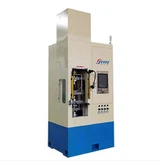
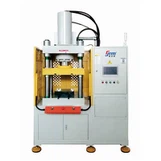
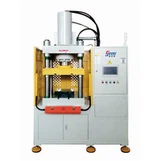
As a seasoned supplier of Fast Hydraulic Presses, I've encountered numerous inquiries regarding the stroke length of these powerful machines. Understanding the stroke length is crucial for anyone looking to invest in a hydraulic press, as it directly impacts the press's functionality and suitability for specific applications. In this blog, I'll delve into the concept of stroke length, its significance, and how it relates to different types of fast hydraulic presses.


What is Stroke Length?
The stroke length of a hydraulic press refers to the maximum distance the ram (the moving part of the press) can travel from its fully retracted position to its fully extended position. It is a fundamental specification that determines the press's ability to accommodate workpieces of varying sizes and perform different types of operations. For example, if you need to press a thick material or perform a deep drawing operation, a press with a longer stroke length will be required.
Importance of Stroke Length
The stroke length plays a vital role in the performance and versatility of a hydraulic press. Here are some key reasons why it is important:
- Workpiece Size: The stroke length determines the maximum height of the workpiece that can be processed by the press. If the stroke length is too short, you may not be able to accommodate larger workpieces, limiting the press's functionality.
- Operation Type: Different operations require different stroke lengths. For instance, a short stroke length may be sufficient for simple punching or blanking operations, while a longer stroke length is necessary for deep drawing, forging, or embossing operations.
- Efficiency: A press with an appropriate stroke length can improve efficiency by reducing the number of strokes required to complete a task. This can save time and increase productivity.
Factors Affecting Stroke Length
Several factors can influence the stroke length of a fast hydraulic press. These include:
- Press Design: The design of the press, including the frame structure and the arrangement of the hydraulic cylinders, can affect the maximum stroke length. Some presses are designed with a longer stroke length to accommodate specific applications.
- Hydraulic System: The capacity and performance of the hydraulic system also play a role in determining the stroke length. A more powerful hydraulic system can provide a longer stroke length and faster operation.
- Safety Considerations: Safety is always a top priority when designing and operating a hydraulic press. The stroke length may be limited to ensure the safety of the operator and prevent damage to the press and the workpiece.
Types of Fast Hydraulic Presses and Their Stroke Lengths
There are several types of fast hydraulic presses available in the market, each with its own unique features and stroke length requirements. Here are some common types of fast hydraulic presses and their typical stroke lengths:
- Jet Hydraulic Press: The Jet Hydraulic Press is a high-speed hydraulic press designed for rapid and precise operations. It typically has a stroke length ranging from 50mm to 200mm, depending on the model and application.
- 20 Ton Press: The 20 Ton Press is a versatile hydraulic press suitable for a wide range of applications. It usually has a stroke length of 100mm to 300mm, making it suitable for both small and medium-sized workpieces.
- Hot Hydraulic Press: The Hot Hydraulic Press is specifically designed for hot forming and pressing operations. It often has a longer stroke length, typically ranging from 200mm to 500mm, to accommodate the expansion of the workpiece during the heating process.
Choosing the Right Stroke Length for Your Application
When selecting a fast hydraulic press, it is essential to choose the right stroke length for your specific application. Here are some factors to consider:
- Workpiece Size and Shape: Measure the maximum height and shape of the workpieces you will be processing to determine the required stroke length. Make sure to allow some extra clearance to ensure smooth operation.
- Operation Type: Consider the type of operations you will be performing, such as punching, blanking, drawing, or forging. Different operations may require different stroke lengths.
- Production Volume: If you have a high production volume, you may want to choose a press with a longer stroke length to increase efficiency and reduce the number of strokes required per workpiece.
- Budget: The stroke length can affect the cost of the press. Consider your budget and balance it with the required functionality and performance.
Conclusion
The stroke length of a fast hydraulic press is a critical specification that directly impacts the press's functionality, versatility, and efficiency. By understanding the concept of stroke length, its importance, and the factors that affect it, you can make an informed decision when choosing a hydraulic press for your application. Whether you need a Jet Hydraulic Press, a 20 Ton Press, or a Hot Hydraulic Press, make sure to select the right stroke length to meet your specific needs.
If you have any questions or need further assistance in choosing the right fast hydraulic press for your application, please feel free to contact us. Our team of experts is always ready to help you find the perfect solution for your business.
References
- ASME B31.3 - Process Piping
- ISO 16047 - Hydraulic fluid power - Cylinders - Determination of static and dynamic internal leakage
- DIN 24334 - Hydraulic fluid power - Cylinders - Mounting dimensions and specifications