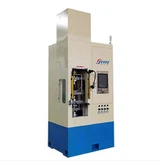
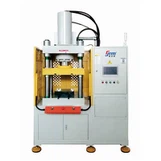
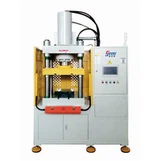
Storing a small hydraulic press properly when it's not in use is crucial for maintaining its performance, extending its lifespan, and ensuring safety. As a supplier of small hydraulic presses, I understand the importance of this process and am here to share some valuable insights on how to store these machines effectively.
Clean the Hydraulic Press Thoroughly
Before storing the small hydraulic press, it's essential to clean it thoroughly. Start by removing any debris, dust, or metal shavings from the surface of the press. Use a soft brush or compressed air to clean hard - to - reach areas. For stubborn stains or residues, a mild cleaning agent can be used, but make sure to rinse it off completely and dry the press to prevent corrosion.
Pay special attention to the hydraulic components. Wipe down the hydraulic cylinders, hoses, and pumps. Check for any signs of hydraulic fluid leaks. If there are leaks, it's best to repair them before storage to avoid further damage. A clean press is less likely to develop rust and other issues during storage.
Drain the Hydraulic Fluid
Hydraulic fluid can degrade over time, especially if it's left sitting in the system for an extended period. It's a good practice to drain the hydraulic fluid from the press. First, follow the manufacturer's instructions to locate the drain plug. Place a suitable container beneath the drain plug to collect the fluid.
Once the fluid is drained, you can choose to filter and reuse it if it's still in good condition. However, if the fluid is contaminated or has been in use for a long time, it's advisable to replace it with fresh hydraulic fluid when you put the press back into operation. Storing the press with old or contaminated fluid can lead to problems such as clogged filters and reduced performance.
Protect the Moving Parts
The moving parts of a small hydraulic press, such as the ram, guides, and bearings, need special protection during storage. Apply a thin layer of anti - rust lubricant to these parts. This lubricant will prevent rust and corrosion, which can cause the parts to seize up and reduce the press's efficiency.
Cover the moving parts with a protective material, such as a plastic sheet or a custom - made cover. This will shield them from dust, moisture, and other environmental factors. For example, if the press has a C - frame design, like the C Frame Press, make sure to cover the exposed parts of the frame and the ram.
Store in a Suitable Environment
The storage environment plays a significant role in the preservation of the small hydraulic press. Choose a dry, clean, and well - ventilated area. Avoid storing the press in areas prone to flooding, high humidity, or extreme temperatures. High humidity can cause rust, while extreme temperatures can affect the properties of the hydraulic fluid and other components.
If possible, store the press indoors. If indoor storage is not an option, use a weatherproof cover to protect it from the elements. Elevate the press off the ground to prevent moisture from seeping into the base. You can use wooden pallets or stands for this purpose.
Secure the Press
To prevent any accidental movement or damage during storage, secure the press. If the press has wheels, lock them to keep it in place. Use straps or chains to anchor the press to a stable structure, especially if it's stored in an area where there might be vibrations or movement.
Make sure that the press is in a stable position. Check that all the bolts and fasteners are tightened properly. Loose bolts can cause parts to shift during storage, leading to misalignment and potential damage when the press is put back into use.
Check and Maintain the Electrical Components
If your small hydraulic press is electrically powered, such as the 50 Ton Electric Hydraulic Press, pay attention to the electrical components. Disconnect the power supply to avoid any electrical hazards.
Inspect the electrical wiring for any signs of damage, such as frayed wires or loose connections. If you find any issues, repair them before storage. You can also cover the electrical control panel with a protective cover to prevent dust and moisture from getting inside.
Document the Storage Process
Keep a record of the storage process. Note down the date when the press was stored, the steps you took for cleaning, draining the fluid, and protecting the parts. This documentation will be useful when you plan to bring the press back into operation. It can help you ensure that all the necessary maintenance steps are followed and that the press is in good working condition.
Regular Inspections During Storage
Even though the press is not in use, it's important to conduct regular inspections. Check the press every few months to ensure that there are no signs of rust, damage, or other issues. Look for any signs of moisture accumulation, especially if the press is stored in a humid environment.
If you notice any problems during the inspection, address them immediately. For example, if you find a small amount of rust on a moving part, you can remove it and re - apply the anti - rust lubricant.


Consider the Storage Duration
The length of time the press will be stored also affects the storage process. For short - term storage (less than a few months), the basic cleaning and protection steps may be sufficient. However, for long - term storage (more than six months), more comprehensive measures may be required.
For long - term storage, you may want to consider additional steps such as disassembling some components for more thorough cleaning and protection. You can also store the press in a climate - controlled environment to ensure optimal conditions.
Conclusion
Proper storage of a small hydraulic press is essential for its longevity and performance. By following these steps, you can ensure that your press remains in good condition during periods of non - use. Whether you have a 50 Ton Electric Hydraulic Press, a Hydraulic Baling Press Machine, or any other type of small hydraulic press, taking the time to store it correctly will save you time and money in the long run.
If you're in the market for a high - quality small hydraulic press or need more information on storage and maintenance, feel free to reach out to us. We're here to assist you with all your hydraulic press needs and can provide you with expert advice and top - notch products.
References
- Manufacturer's manuals for small hydraulic presses
- Industry standards for hydraulic press maintenance and storage
- Technical literature on hydraulic systems and components