As a supplier of the 20 Ton H Frame Press, I understand the importance of ensuring that our equipment meets the highest performance standards. Testing the performance of a 20 Ton H Frame Press is a crucial step in guaranteeing its reliability, efficiency, and safety. In this blog post, I will share some key methods and considerations for testing the performance of a 20 Ton H Frame Press.
Pre - test Preparations
Before conducting any performance tests, it is essential to carry out a series of pre - test preparations. First, we need to thoroughly inspect the press. Check all mechanical components for any signs of wear, damage, or misalignment. This includes the frame, connecting rods, and slide. Make sure that all fasteners are tightened properly to prevent any looseness during operation.
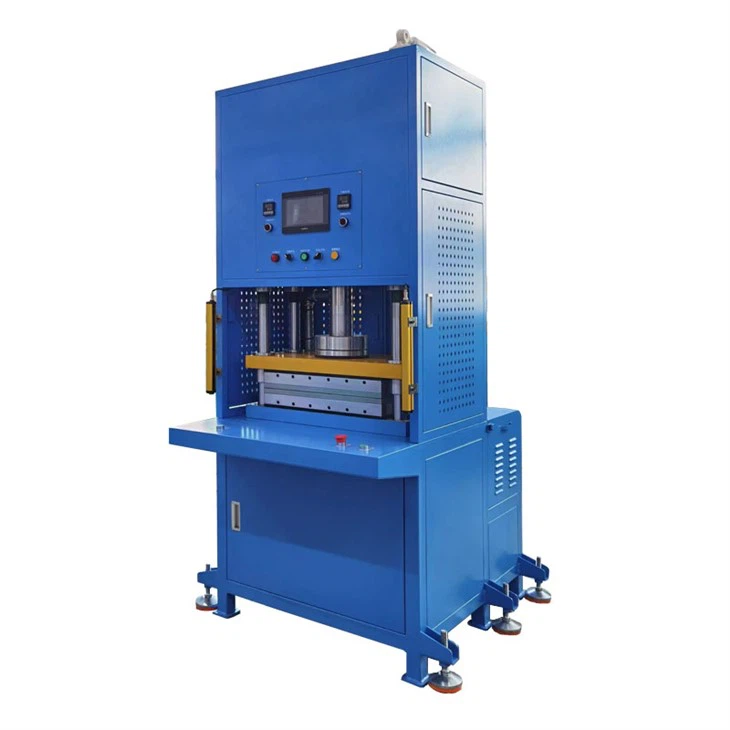
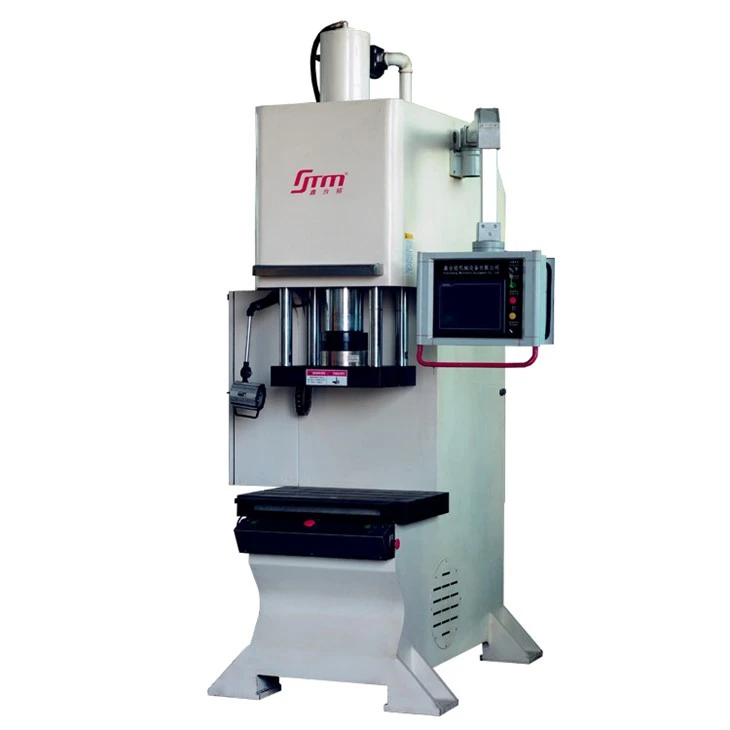
Next, examine the hydraulic system. Inspect the hydraulic hoses for leaks, cracks, or abrasions. Check the hydraulic fluid level and its quality. The hydraulic fluid should be clean and at the appropriate level. If the fluid is dirty or at a low level, it can cause problems such as reduced pressure and inefficient operation.
Also, verify the electrical system. Ensure that all electrical connections are secure, and there are no exposed wires. Check the functionality of the control panel, switches, and sensors. A malfunctioning electrical system can lead to improper operation of the press and potential safety hazards.
Force Capacity Testing
One of the most important performance indicators of a 20 Ton H Frame Press is its force capacity. To test the force capacity, we can use a load cell. A load cell is a transducer that converts force into an electrical signal. Place the load cell between the ram and the workpiece or a suitable test fixture.
Gradually increase the pressure in the hydraulic system to apply force on the load cell. Monitor the readings on the load cell display. Compare the measured force with the rated 20 - ton capacity of the press. The measured force should be within an acceptable tolerance range. If the measured force is significantly lower than the rated capacity, it may indicate problems such as hydraulic pump issues, valve malfunctions, or leaks in the hydraulic system.
Speed and Stroke Testing
The speed and stroke of the press are also critical performance parameters. To test the stroke, we can use a linear displacement sensor. Install the sensor on the ram of the press to measure the distance it travels during the up - and - down movement. The measured stroke should match the specified stroke length of the 20 Ton H Frame Press.
For speed testing, we can time the movement of the ram. Use a stopwatch or a high - precision timer. Measure the time it takes for the ram to complete a full stroke cycle (down - stroke and up - stroke). Calculate the average speed of the ram based on the measured stroke length and time. Compare the calculated speed with the manufacturer's specifications. Deviations from the specified speed may be due to issues with the hydraulic flow rate, valve settings, or mechanical resistance.
Repeatability Testing
Repeatability is an important characteristic of a 20 Ton H Frame Press. It refers to the ability of the press to perform the same operation consistently over multiple cycles. To test repeatability, conduct a series of identical pressing operations.
For each cycle, measure the force, stroke, and speed as described above. Calculate the variation in these parameters between different cycles. A high level of repeatability is indicated by small variations in the measured values. Poor repeatability may be caused by factors such as mechanical wear, hydraulic system instability, or inconsistent material properties of the workpiece.
Safety System Testing
Safety is of utmost importance when operating a 20 Ton H Frame Press. Test all the safety systems installed on the press, such as emergency stop buttons, light curtains, and overload protection devices.
Press the emergency stop button during the operation of the press. The press should immediately stop all movements. Check the functionality of the light curtains by interrupting the light beam. When the light beam is interrupted, the press should stop the ram movement to prevent operator injury.
Test the overload protection device by gradually increasing the force beyond the rated capacity of the press. The overload protection device should activate and stop the press to prevent damage to the equipment.
Energy Efficiency Testing
In today's environmentally - conscious world, energy efficiency is an important consideration. To test the energy efficiency of the 20 Ton H Frame Press, measure the power consumption during normal operation. Use a power meter to measure the electrical power input to the press.
Compare the power consumption with the energy - efficiency standards or the performance of similar presses in the market. Implement measures to improve energy efficiency, such as optimizing the hydraulic system design, reducing unnecessary idling time, and using energy - saving components.
Noise and Vibration Testing
Excessive noise and vibration can indicate problems with the press and also affect the working environment. To test the noise level, use a sound level meter. Place the sound level meter at a fixed distance from the press during operation. The measured noise level should comply with relevant occupational health and safety standards.
For vibration testing, use a vibration sensor. Install the sensor on the frame of the press. Analyze the vibration frequency and amplitude. High - frequency vibrations may be caused by unbalanced rotating components, while low - frequency vibrations may be due to hydraulic system pulsations or mechanical resonances.
Continuous Operation Testing
To ensure the long - term reliability of the 20 Ton H Frame Press, conduct continuous operation testing. Run the press continuously for a specified period, such as 8 hours or more. Monitor the performance parameters, including force capacity, speed, and temperature, during the continuous operation.
Check for any signs of overheating, abnormal noises, or degradation in performance. Overheating can be a sign of excessive friction, inefficient cooling, or hydraulic system problems. If any issues are detected during the continuous operation test, they should be addressed promptly to prevent further damage to the press.
Conclusion
Testing the performance of a 20 Ton H Frame Press is a comprehensive process that involves multiple aspects, including force capacity, speed, repeatability, safety, energy efficiency, noise, and vibration. By conducting these tests, we can ensure that the press meets the required performance standards and is ready for reliable operation in industrial applications.
If you are interested in our 20 Ton H Frame Press, we also offer a wide range of Stamping Presses and 4 Post Hydraulic Press. We are committed to providing high - quality products and excellent customer service. If you have any questions or would like to discuss your specific requirements for press equipment, please feel free to contact us for procurement and further discussions.
References
- "Handbook of Press Machine Technology", Industrial Press Inc.
- "Hydraulic Systems and Components: Design, Installation, and Maintenance", Elsevier.