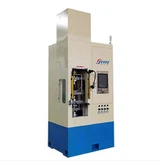
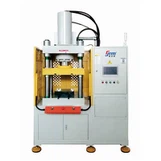
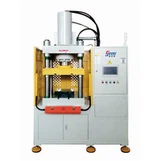
Transporting a hydraulic hose press can be a bit of a headache, but with the right know - how, it can be done smoothly. As a hydraulic hose press supplier, I've seen it all when it comes to getting these machines from point A to point B. In this blog, I'll share some tips and tricks on how to transport a hydraulic hose press safely and efficiently.
First off, let's talk about preparation. You can't just throw a hydraulic hose press on a truck and hope for the best. Before you even think about moving it, you need to do a thorough inspection of the machine. Check for any loose parts, leaks, or damage. Tighten any bolts or nuts that might have come loose during normal use. This step is crucial because you don't want any parts falling off during transport, which could not only damage the press but also pose a safety hazard.
Next, you'll need to drain all the fluids from the press. This includes hydraulic oil, coolant, and any other liquids that the machine uses. Fluids can slosh around during transport, which might lead to leaks or even cause internal damage to the press. Make sure you collect the fluids in proper containers and label them correctly. You can reuse the fluids later after the press is set up at its new location.
Disassembly is often a necessary step when transporting a hydraulic hose press, especially if it's a large - scale machine. Start by removing any detachable parts such as hoses, fittings, and control panels. Keep all the parts organized and label them clearly. You can use zip - lock bags to store small parts like screws and nuts. This way, when you're ready to reassemble the press, you'll know exactly where each part goes.
Now, let's move on to choosing the right transportation method. For smaller hydraulic hose presses, like the Small Benchtop Hydraulic Press, you might be able to transport it in a pickup truck or a small van. Just make sure to secure it properly using straps or ropes to prevent it from shifting during transit.
For larger presses, you'll likely need a flatbed truck or a specialized transport vehicle. When loading the press onto the truck, use a forklift or a crane. Make sure the lifting equipment is rated to handle the weight of the press. Position the press carefully on the truck bed and use heavy - duty straps to secure it. The straps should be tight enough to keep the press in place but not so tight that they damage the machine.
During transportation, it's important to protect the press from the elements. If the weather is bad, cover the press with a waterproof tarp. This will prevent rain, snow, or dust from getting into the machine and causing damage.
Once the press arrives at its new location, it's time for reassembly. Start by following the disassembly labels and put all the parts back in their original positions. Reconnect the hoses and fittings carefully, making sure there are no kinks or leaks. Fill the press with the appropriate fluids and check for any signs of air bubbles in the hydraulic system.
After reassembly, it's a good idea to do a test run of the press. Make sure all the functions are working properly, and there are no unusual noises or vibrations. If you notice any issues, troubleshoot them immediately or contact a professional technician.
Another important aspect to consider is insurance. Always make sure that the hydraulic hose press is insured during transportation. Accidents can happen, and having insurance will give you peace of mind knowing that you're covered in case of any damage or loss.


When it comes to different types of hydraulic hose presses, like the Electric Hydraulic Press for Blacksmithing or the 50 Ton Press, the basic principles of transportation remain the same, but there might be some specific considerations. For example, the electric press might require extra care when handling the electrical components to avoid any short - circuits.
In conclusion, transporting a hydraulic hose press requires careful planning, proper preparation, and the right equipment. By following these steps, you can ensure that your press arrives at its new location in good working condition.
If you're in the market for a hydraulic hose press or need more advice on transportation or any other aspect of these machines, don't hesitate to reach out. We're here to help you with all your hydraulic hose press needs. Whether you're a small - scale workshop or a large industrial facility, we've got the right press for you. Contact us today to start the conversation about your specific requirements.
References
- Industry standards for hydraulic equipment transportation
- Manufacturer's guidelines for hydraulic hose press disassembly and assembly