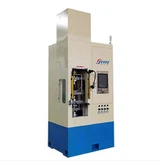
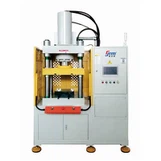
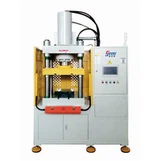
Troubleshooting a small hydraulic press is a crucial skill for anyone who owns or operates such equipment. As a supplier of small hydraulic presses, I've encountered a wide range of issues over the years. In this blog, I'll share some common problems and effective solutions to help you keep your hydraulic press running smoothly.
Understanding the Basics of a Small Hydraulic Press
Before we dive into troubleshooting, it's essential to understand the basic components of a small hydraulic press. A typical small hydraulic press consists of a hydraulic pump, a cylinder, a piston, a reservoir for hydraulic fluid, and a control valve. The hydraulic pump creates pressure by forcing hydraulic fluid into the cylinder, which then moves the piston to apply force.
Common Problems and Solutions
1. Lack of Pressure
One of the most common issues with a small hydraulic press is a lack of pressure. If the press isn't applying enough force, it can't perform its intended task effectively.
Possible Causes:
- Low Hydraulic Fluid Level: The first thing to check is the hydraulic fluid level in the reservoir. If the level is low, it can cause a drop in pressure.
- Leaking Hydraulic Lines: Leaks in the hydraulic lines can also lead to a loss of pressure. Inspect the lines for any signs of leakage, such as wet spots or puddles of hydraulic fluid.
- Faulty Pump: A malfunctioning pump may not be able to generate enough pressure. Check the pump for any signs of damage or wear.
Solutions:
- Add Hydraulic Fluid: If the fluid level is low, add the appropriate type of hydraulic fluid to the reservoir. Refer to the manufacturer's manual for the recommended fluid type and level.
- Repair or Replace Hydraulic Lines: If you find a leak in the hydraulic lines, repair or replace the damaged section. Make sure to use the correct fittings and seals to prevent future leaks.
- Check and Repair the Pump: If the pump is faulty, it may need to be repaired or replaced. Consult a professional technician if you're not familiar with pump repair.
2. Slow Operation
Another common problem is slow operation of the hydraulic press. This can be frustrating and can significantly reduce productivity.
Possible Causes:
- Clogged Filters: Over time, the filters in the hydraulic system can become clogged with dirt and debris. This can restrict the flow of hydraulic fluid and cause the press to operate slowly.
- Air in the Hydraulic System: Air bubbles in the hydraulic system can also affect the performance of the press. Air can compress, which reduces the efficiency of the hydraulic system.
- Worn Seals: Worn seals can cause hydraulic fluid to leak, which can lead to slow operation.
Solutions:
- Replace the Filters: Regularly replace the filters in the hydraulic system to ensure proper fluid flow. Follow the manufacturer's recommendations for filter replacement intervals.
- Bleed the Hydraulic System: To remove air from the hydraulic system, bleed the system according to the manufacturer's instructions. This typically involves opening a valve and allowing the air to escape.
- Replace Worn Seals: If you suspect that the seals are worn, replace them with new ones. Make sure to use the correct type of seals for your hydraulic press.
3. Unusual Noises
Unusual noises coming from the hydraulic press can be a sign of a serious problem. Ignoring these noises can lead to further damage to the equipment.
Possible Causes:
- Loose Components: Loose bolts, nuts, or other components can cause rattling or vibrating noises. Check all the components of the press for any signs of looseness.
- Worn Bearings: Worn bearings can also produce noise. Inspect the bearings for any signs of wear or damage.
- Cavitation: Cavitation occurs when the pressure in the hydraulic system drops below the vapor pressure of the hydraulic fluid, causing bubbles to form. These bubbles can collapse and create a loud noise.
Solutions:
- Tighten Loose Components: Use a wrench or other appropriate tool to tighten any loose components. Make sure not to overtighten, as this can cause damage.
- Replace Worn Bearings: If the bearings are worn, replace them with new ones. Consult a professional technician for proper bearing replacement.
- Check the Hydraulic System for Cavitation: To prevent cavitation, make sure the hydraulic system is properly maintained. Check the fluid level, filter condition, and pump performance regularly.
4. Overheating
Overheating is a serious problem that can damage the hydraulic press and reduce its lifespan.
Possible Causes:
- Excessive Load: Applying too much load to the press can cause it to overheat. Make sure to operate the press within its recommended load capacity.
- Poor Ventilation: If the press is located in a poorly ventilated area, it can't dissipate heat effectively. Ensure that there is adequate ventilation around the press.
- Faulty Cooling System: If the press has a cooling system, such as a radiator or fan, check it for any signs of malfunction.
Solutions:
- Reduce the Load: If the press is overheating due to excessive load, reduce the load to a safe level. Refer to the manufacturer's manual for the recommended load capacity.
- Improve Ventilation: Move the press to a well-ventilated area or install additional ventilation equipment, such as fans or vents.
- Repair or Replace the Cooling System: If the cooling system is faulty, repair or replace it as needed. Consult a professional technician for proper cooling system maintenance.
Importance of Regular Maintenance
Regular maintenance is key to preventing problems with your small hydraulic press. By following a regular maintenance schedule, you can identify and address potential issues before they become major problems.


- Inspect the Press Regularly: Check the press for any signs of wear, damage, or leakage. Inspect the hydraulic lines, filters, seals, and other components regularly.
- Change the Hydraulic Fluid: Replace the hydraulic fluid at regular intervals to ensure proper lubrication and performance. Refer to the manufacturer's manual for the recommended fluid change schedule.
- Lubricate Moving Parts: Lubricate the moving parts of the press, such as the bearings and pistons, to reduce friction and wear.
Conclusion
Troubleshooting a small hydraulic press requires a basic understanding of its components and operation. By following the tips and solutions outlined in this blog, you can effectively diagnose and fix common problems with your hydraulic press. Remember to perform regular maintenance to keep your press in good working condition.
If you're in the market for a new small hydraulic press, we offer a wide range of high-quality products, including the 4 Post Hydraulic Press, 20 Ton Hydraulic Press, and 20 Ton Benchtop Press. Our presses are designed to meet the needs of various industries and applications.
If you have any questions or would like to discuss your specific requirements, please feel free to contact us. We're here to help you find the right hydraulic press for your needs and provide you with the support and service you deserve.
References
- Manufacturer's manuals for small hydraulic presses
- Industry standards and best practices for hydraulic system maintenance