Hey there! As a supplier of hydraulic presses, I'm often asked about the good sides of these machines. But today, I'm gonna flip the script and talk about the disadvantages of a hydraulic press. It's important to know both the pros and cons before you make a purchase, right?
High Initial Cost
One of the most obvious drawbacks of hydraulic presses is the high initial investment. These machines are not cheap. The complex hydraulic systems, high - quality materials, and precision engineering that go into making a hydraulic press all contribute to its hefty price tag. Whether you're looking at a 4 Post Hydraulic Press or a Customized Hydraulic Press, you're gonna have to shell out a significant amount of money.
For small businesses or startups with limited budgets, this can be a major hurdle. You might be thinking, "Well, I could get a cheaper alternative." And that's true, but cheaper alternatives often come with their own set of problems, like lower quality and less durability.
Maintenance Requirements
Hydraulic presses need regular maintenance, and it's not just a quick once - over. The hydraulic fluid, for example, needs to be changed at regular intervals. If the fluid isn't clean or at the right level, it can cause all sorts of problems, like reduced efficiency or even damage to the pump and other components.
The seals in the hydraulic system also need to be checked and replaced periodically. A leaking seal can lead to a loss of hydraulic pressure, which means the press won't work as effectively. And let's not forget about the filters. Clogged filters can restrict the flow of hydraulic fluid, putting extra strain on the system.
All this maintenance takes time and money. You either have to hire a professional technician or train your own staff to do it. And if you don't keep up with the maintenance, you're looking at some serious breakdowns down the line.
Risk of Fluid Leaks
Fluid leaks are a common problem with hydraulic presses. The hydraulic fluid is under high pressure, and over time, the seals and hoses can wear out, leading to leaks. These leaks can be a real pain in the neck.
First of all, the hydraulic fluid is often a messy substance. It can stain the floor and any surfaces it comes into contact with. Cleaning up the spills is not only time - consuming but can also be hazardous. The fluid can be slippery, increasing the risk of slips and falls in the workplace.
Secondly, a fluid leak means a loss of hydraulic pressure. As I mentioned earlier, this can affect the performance of the press. And if the leak is severe enough, it can cause the press to stop working altogether.
In addition, the hydraulic fluid is often toxic. If it comes into contact with your skin or eyes, it can cause irritation or even more serious health problems. So, you have to be really careful when dealing with fluid leaks.
Noise and Vibration
Hydraulic presses can be pretty noisy. The operation of the hydraulic pump and the movement of the press can generate a lot of noise. This can be a problem in a workplace environment, especially if you have employees working nearby.
Exposure to high levels of noise over a long period can lead to hearing loss. You might have to provide your employees with hearing protection, which is another cost. And the noise can also be a distraction, affecting the productivity of your workers.
Vibration is another issue. The press can vibrate during operation, which can cause problems for the surrounding equipment and even the building structure. Excessive vibration can loosen bolts and other fasteners, leading to mechanical failures. It can also cause damage to the floor or other surfaces where the press is installed.
Limited Speed
Compared to some other types of presses, hydraulic presses are relatively slow. The process of building up and releasing hydraulic pressure takes time, which means the press can't cycle as quickly as, say, a mechanical press.
If you're in an industry where high - speed production is crucial, this can be a real disadvantage. You might not be able to meet the production demands as efficiently as you'd like. For example, in a stamping operation where you need to produce a large number of parts in a short amount of time, a hydraulic press might not be the best choice. However, if you're looking for a Stamping Presses with high precision, a hydraulic press can still be a good option.
Complexity of Operation
Operating a hydraulic press is not as simple as just pushing a button. There are a lot of variables to consider, like the pressure settings, the speed of the press, and the position of the workpiece. If you don't set these variables correctly, you can end up with defective products.
Training your employees to operate the press properly takes time and resources. They need to understand the principles of hydraulics and how the press works. And even then, there's always a learning curve.
Environmental Impact
The hydraulic fluid used in hydraulic presses is often made from petroleum - based products. These products are not very environmentally friendly. When the fluid is disposed of, it can contaminate the soil and water if not done properly.
In addition, the energy consumption of hydraulic presses is relatively high. The hydraulic pump needs a lot of power to operate, and this contributes to your overall energy bill and your carbon footprint.
Despite the Disadvantages...
Now, I know I've painted a pretty gloomy picture of hydraulic presses, but it's not all bad. These machines also have a lot of advantages, like high force capacity, precise control, and the ability to handle a wide range of applications.
If you're in an industry where the benefits of a hydraulic press outweigh the disadvantages, then it's definitely worth considering. And as a supplier, I'm here to help you make the right choice.
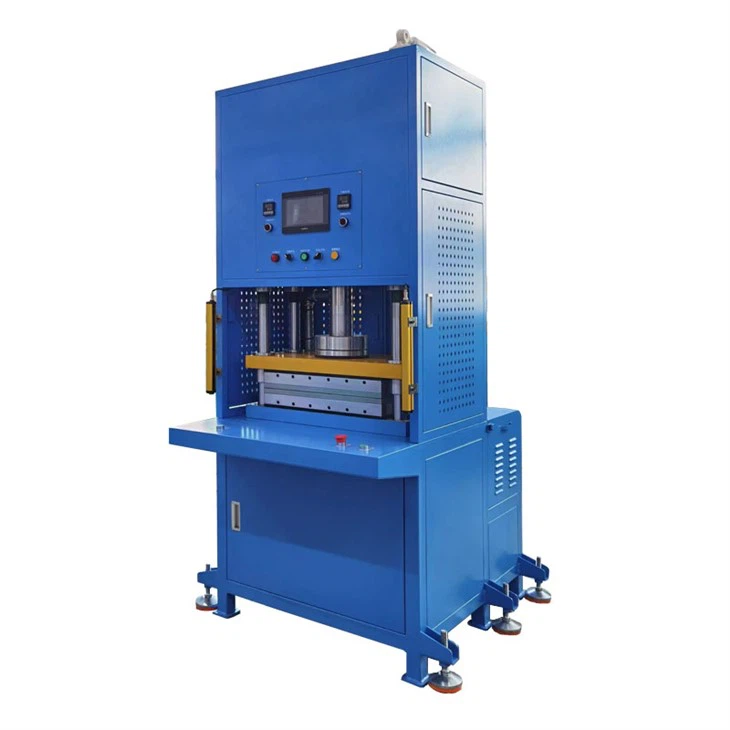

We offer a wide range of hydraulic presses, including 4 Post Hydraulic Press, Customized Hydraulic Press, and Stamping Presses. Our team of experts can provide you with all the information you need and help you with installation, maintenance, and troubleshooting.
If you're interested in learning more about our hydraulic presses or have any questions about the disadvantages I've discussed, feel free to reach out. We're always happy to have a chat and help you find the best solution for your business.
References
- "Hydraulic Press Handbook", Industrial Press Inc.
- "Maintenance and Troubleshooting of Hydraulic Systems", McGraw - Hill Education.