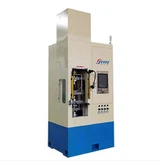
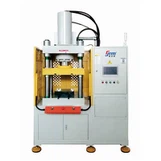
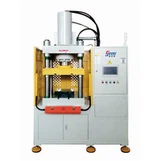
In the world of industrial machinery, the Jet Hydraulic Press stands as a pivotal piece of equipment, renowned for its robust performance and versatility across various manufacturing processes. As a seasoned supplier of Jet Hydraulic Presses, I've witnessed firsthand the intricate relationship between different components and their impact on the overall operation of these machines. One aspect that often goes under the radar but holds significant sway over performance is the ram speed. In this blog post, we'll delve into the effects of ram speed on the operation of a Jet Hydraulic Press, exploring how it influences productivity, quality, and efficiency.
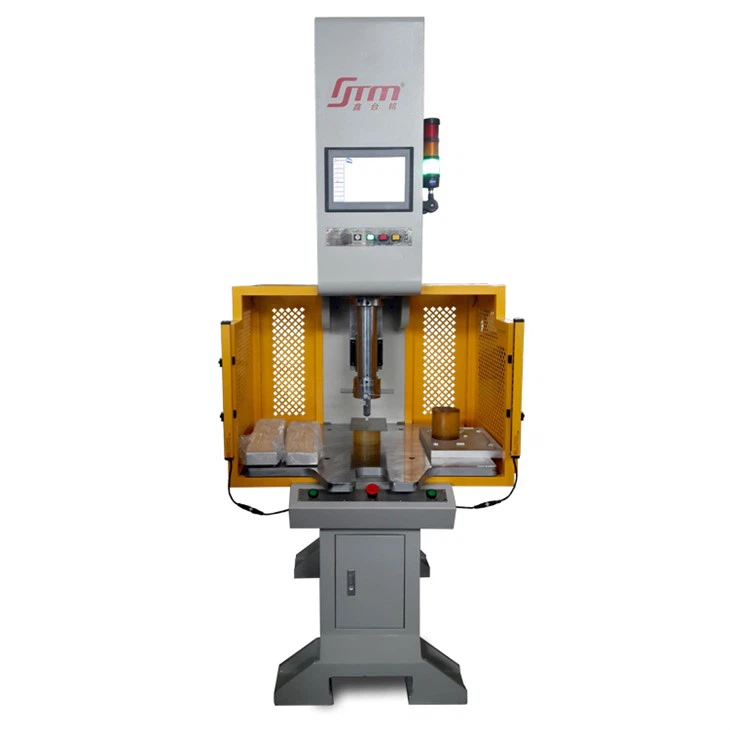

Understanding the Ram in a Jet Hydraulic Press
Before we dive into the effects of ram speed, it's essential to understand the role of the ram in a Jet Hydraulic Press. The ram is the moving part of the press that applies force to the workpiece. It's driven by hydraulic cylinders, which convert the pressure of hydraulic fluid into linear motion. The ram's movement is crucial for tasks such as punching, bending, forging, and stamping, making it a central component in the press's operation.
Impact on Productivity
One of the most significant effects of ram speed on the operation of a Jet Hydraulic Press is its impact on productivity. In high - volume manufacturing environments, every second counts. A faster ram speed allows the press to complete more cycles per minute, increasing the overall output of the machine. For example, in a stamping operation where hundreds or thousands of parts need to be produced, a press with a higher ram speed can significantly reduce the production time.
Let's consider a scenario where a manufacturer is producing small metal brackets. With a slower ram speed, the press might be able to complete 20 cycles per minute. However, by increasing the ram speed, it could potentially reach 30 or more cycles per minute. This increase in cycle rate directly translates to a higher production volume, enabling the manufacturer to meet customer demands more efficiently and potentially take on larger orders.
Moreover, a faster ram speed can also reduce the idle time between cycles. In a traditional press operation, there is often a brief pause as the ram returns to its starting position and the next workpiece is loaded. A quicker ram return speed minimizes this idle time, further enhancing productivity.
Influence on Quality
While productivity is a key concern, quality should never be compromised. The ram speed can have a profound impact on the quality of the finished product. In some operations, such as precision forging or deep drawing, a slower ram speed is often preferred. This is because a slower speed allows for more precise control over the deformation process.
When the ram moves slowly, the material has more time to flow and conform to the die shape. This results in a more uniform distribution of stress and strain within the workpiece, reducing the likelihood of defects such as cracks, wrinkles, or uneven thickness. For instance, in the production of automotive parts that require high precision, a slower ram speed can ensure that the parts meet the strict quality standards.
On the other hand, in some applications where the goal is to shear or cut the material, a faster ram speed can be beneficial. A rapid movement can generate a high - impact force, allowing for cleaner cuts and more efficient shearing. However, it's crucial to find the right balance, as an excessively fast ram speed can also cause issues such as burrs or rough edges on the cut surface.
Energy Efficiency
Energy efficiency is another important consideration in the operation of a Jet Hydraulic Press. The ram speed can significantly affect the energy consumption of the machine. Generally, a faster ram speed requires more power to drive the hydraulic system. This is because the hydraulic pumps need to deliver a higher volume of fluid at a greater pressure to achieve the increased speed.
However, modern Jet Hydraulic Presses are designed with advanced hydraulic systems that can optimize energy consumption based on the ram speed. For example, some presses use variable - speed pumps that can adjust the flow rate according to the required ram speed. This means that during slower operations, the pump can operate at a lower speed, consuming less energy.
In addition, a well - designed press with a fast ram speed can also complete the job in less time, reducing the overall energy consumption per part produced. By analyzing the specific requirements of each operation and selecting the appropriate ram speed, manufacturers can achieve a balance between productivity and energy efficiency.
Safety Considerations
Safety is paramount in any industrial setting, and the ram speed of a Jet Hydraulic Press is no exception. A faster ram speed increases the kinetic energy of the moving parts, which can pose a greater risk in case of an accident. Operators need to be trained to handle presses with high ram speeds and follow strict safety protocols.
For example, proper guarding should be in place to prevent accidental contact with the moving ram. Emergency stop buttons should be easily accessible, and safety interlocks should be installed to ensure that the press cannot operate if the guards are open. Additionally, regular maintenance and inspection of the press are essential to ensure that all safety features are functioning correctly, especially when operating at high ram speeds.
Selecting the Right Ram Speed
As a Jet Hydraulic Press supplier, I often get asked about how to select the right ram speed for a particular application. The answer depends on several factors, including the type of operation, the material being processed, and the desired quality of the finished product.
For operations that require high precision and quality, such as fine blanking or complex forming, a slower ram speed is usually recommended. On the other hand, for high - volume, less - precise operations like simple stamping or shearing, a faster ram speed can be more appropriate.
It's also important to consider the capabilities of the press itself. Some presses are designed to operate at a specific range of ram speeds, and exceeding these limits can lead to premature wear and tear on the components or even damage to the machine.
Our Product Offerings
At our company, we offer a wide range of Jet Hydraulic Presses with different ram speed capabilities to meet the diverse needs of our customers. For example, our 100 Ton Hydraulic Press is designed for heavy - duty applications and can be customized with various ram speed options. Whether you need a slow, precise movement for forging large components or a fast cycle rate for high - volume stamping, our press can be tailored to your requirements.
We also have Hydraulic Press with Foot Pedal models that offer excellent control over the ram speed. The foot pedal allows the operator to start and stop the ram movement as needed, providing flexibility in different operations.
In addition, our C Frame Press is known for its versatility and can be equipped with different ram speed settings. This makes it suitable for a wide range of applications, from small - scale workshops to large - scale manufacturing plants.
Conclusion
In conclusion, the ram speed has a far - reaching impact on the operation of a Jet Hydraulic Press. It affects productivity, quality, energy efficiency, and safety. As a supplier, we understand the importance of providing our customers with presses that offer the right balance of ram speed for their specific applications.
If you're in the market for a Jet Hydraulic Press or need to upgrade your existing equipment, we're here to help. Our team of experts can work with you to understand your requirements and recommend the best press solution with the appropriate ram speed. Contact us today to start a discussion about your needs and explore how our Jet Hydraulic Presses can enhance your manufacturing processes.
References
- Smith, J. (2018). Hydraulic Press Technology: Principles and Applications. Industrial Machinery Publishing.
- Brown, A. (2019). Optimizing Ram Speed in Hydraulic Press Operations. Journal of Manufacturing Efficiency, 25(3), 123 - 135.
- Johnson, R. (2020). Safety Considerations in High - Speed Hydraulic Presses. Safety in Industry Journal, 32(4), 89 - 98.