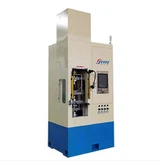
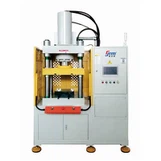
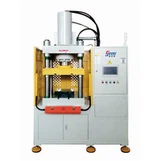
Hey there! As a supplier of fast hydraulic presses, I've had my fair share of dealing with the noise issues that come with these powerful machines. In this blog, I'll be sharing some noise - reduction measures for fast hydraulic presses that you can implement.
Let's first understand why noise is such a big deal. Excessive noise from hydraulic presses can not only be a nuisance in the workplace but also pose a risk to the health of the operators. Prolonged exposure to high - decibel noise can lead to hearing loss and other stress - related health problems. Plus, in many regions, there are strict regulations regarding workplace noise levels. So, it's in everyone's best interest to keep the noise down.
1. Machine Design and Structure
The very foundation of noise reduction starts with the design of the fast hydraulic press. A well - designed machine can significantly reduce the amount of noise it generates.
-
Rigid Frame Construction: A sturdy and rigid frame helps to absorb and dampen vibrations. When the press is in operation, hydraulic forces cause vibrations. If the frame isn't rigid enough, these vibrations can be amplified and turn into loud noise. For example, our 20 Ton Floor Press is built with a heavy - duty frame that is engineered to minimize vibrations. The use of high - quality steel and proper welding techniques ensures that the frame can withstand the forces exerted during the pressing operation without rattling or shaking.
-
Isolation Mounts: Installing isolation mounts between the press and the floor can also make a huge difference. These mounts act as shock absorbers, preventing the vibrations from being transferred to the floor and the surrounding environment. They are usually made of rubber or other elastic materials. When the press vibrates, the isolation mounts compress and expand, dissipating the energy and reducing the noise. We often recommend these mounts for our 20 Ton Hydraulic Press to help customers reduce noise levels in their workplaces.
2. Hydraulic System Optimization
The hydraulic system is one of the main sources of noise in a fast hydraulic press. By optimizing the hydraulic system, we can cut down on a lot of that racket.
-
Proper Pipe Sizing and Routing: The size and routing of the hydraulic pipes play a crucial role in noise reduction. If the pipes are too small, the fluid flow velocity will be high, which can cause turbulence and noise. On the other hand, if the pipes are too large, it can lead to inefficient operation. We carefully calculate the pipe sizes based on the flow rate and pressure requirements of the press. Also, the pipes should be routed in a way that minimizes bends and sharp turns. Sharp bends can cause the fluid to change direction suddenly, creating pressure fluctuations and noise. In our C Frame Press, we pay close attention to the pipe sizing and routing to ensure smooth fluid flow and reduced noise.
-
High - Quality Hydraulic Components: Using high - quality hydraulic pumps, valves, and cylinders can reduce noise. Cheap or low - quality components may not operate smoothly, leading to noise. For example, a well - made hydraulic pump with precision - engineered gears or pistons will run more quietly than a poorly manufactured one. We source our hydraulic components from trusted suppliers to ensure that they meet our high standards for performance and noise reduction.
-
Hydraulic Fluid Maintenance: Keeping the hydraulic fluid clean and at the right temperature is essential. Contaminated fluid can cause wear and tear on the hydraulic components, leading to increased noise. Also, if the fluid is too hot or too cold, it can affect the performance of the system and generate more noise. We recommend regular fluid changes and using a proper filtration system to keep the fluid in good condition.
3. Sound Enclosures
Sometimes, additional measures are needed to really bring down the noise levels. Sound enclosures are a great solution for this.


-
Full or Partial Enclosures: A full - fledged sound enclosure can completely surround the fast hydraulic press, blocking the noise from escaping. However, this may not be practical in all situations, especially if the press needs to be easily accessible for maintenance or loading and unloading. In such cases, a partial enclosure can be used. A partial enclosure can cover the most noise - generating parts of the press, such as the hydraulic pump or the ram area. These enclosures are usually made of sound - absorbing materials like acoustic foam or fiberglass.
-
Ventilation: When using a sound enclosure, proper ventilation is crucial. The press generates a lot of heat during operation, and if the enclosure traps the heat, it can damage the components. So, the enclosure should be designed with ventilation ducts or fans to ensure that the air can circulate freely.
4. Operator Training
Operators play a key role in noise reduction. By training them properly, we can ensure that the press is operated in a way that minimizes noise.
-
Proper Operation Procedures: Teaching operators the correct way to start, stop, and operate the press can reduce noise. For example, a sudden start or stop can cause hydraulic shocks, which are a major source of noise. Operators should be trained to start and stop the press gradually. Also, they should know how to adjust the press settings correctly to avoid over - pressurizing the system, which can lead to increased noise.
-
Regular Maintenance Checks: Encouraging operators to perform regular maintenance checks can help detect and fix any issues that may be causing excessive noise. They can look for loose bolts, leaks in the hydraulic system, or signs of wear and tear on the components. By catching these problems early, we can prevent them from getting worse and generating more noise.
5. Regular Maintenance
Last but not least, regular maintenance is essential for keeping the noise levels in check.
-
Component Inspection and Replacement: Over time, the components of the fast hydraulic press will wear out. Regularly inspecting the components and replacing the worn - out ones can prevent noise from increasing. For example, if the seals in the hydraulic cylinders are damaged, it can cause fluid leaks and noise. By replacing the seals in a timely manner, we can keep the system running smoothly and quietly.
-
Lubrication: Proper lubrication of the moving parts is important. Lubricants reduce friction between the parts, which in turn reduces noise. We recommend using the right type of lubricant and applying it at the recommended intervals.
In conclusion, reducing the noise from a fast hydraulic press is a multi - faceted approach. By focusing on machine design, hydraulic system optimization, using sound enclosures, training operators, and performing regular maintenance, we can significantly reduce the noise levels. If you're in the market for a fast hydraulic press or want to improve the noise situation of your existing press, feel free to reach out. We're here to help you find the best solutions for your needs.
References
- "Hydraulic Press Noise Reduction Techniques" - Industry Handbook on Industrial Machinery Noise Control
- "Best Practices for Hydraulic System Maintenance" - Hydraulic Engineering Journal